



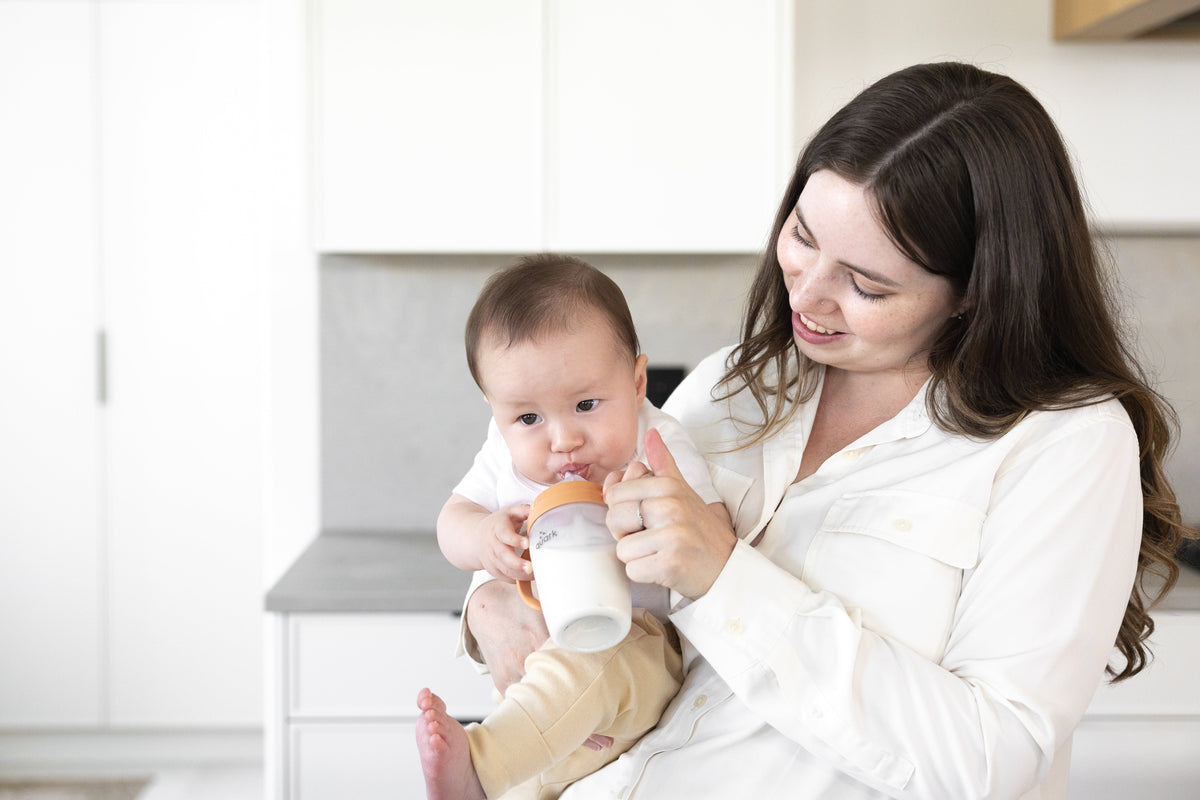
Commencer l'allaitement peut sembler accablant, mais vous n'êtes pas obligée de le faire seule. Que vous vous prépariez à l'arrivée de votre bébé ou que vous soyez déjà installée dans les premiers jours, avoir les bonnes astuces d'allaitement peut faire toute la différence. De la compréhension de l'importance d'une bonne prise du sein à la gestion de votre production de lait, nous avons recueilli des conseils essentiels de parents expérimentés qui sont passés exactement par là où vous êtes maintenant. Ces astuces pratiques pour l'allaitement vous aideront à vous sentir plus confiante et préparée :
Suivez un cours d'allaitement avant l'accouchement
L'allaitement est une chose merveilleusement naturelle, mais apprendre comment faire peut aider. Prenez le temps d'apprendre ce qui se passe après l'accouchement afin d'être préparée pour ces premiers moments précieux avec votre bébé.
Commencez à allaiter dès la salle d'accouchement
Votre bébé sera intéressé à téter quelques minutes après la naissance. Maintenez le contact peau à peau et profitez d'une tétée précoce. Cette connexion immédiate aide à établir l'allaitement et le lien dès le début.
Tout est une question de prise du sein
La façon dont votre bébé prend votre mamelon et votre aréole est la clé d'un allaitement confortable. Assurez-vous que la bouche est grande ouverte et que le bébé prend une grande bouchée. Si cela fait mal, demandez de l'aide dès que possible ! Une bonne prise du sein prévient l'inconfort et assure que votre bébé se nourrit efficacement.
Allaitez toute la nuit au début
Peu importe à quel point vous êtes fatiguée ou endolorie, vous devez allaiter 24h/24 au début. Cela assure une excellente production de lait et garantit que votre bébé commence à prendre du poids rapidement. Les tétées nocturnes sont essentielles pendant ces premières semaines.
Les bébés pleurent plus le deuxième jour de leur vie
Cela peut être perturbant et vous pourriez ne pas savoir quoi faire pour apaiser votre bébé. Les pleurs ne signifient pas toujours la faim. Tenez votre bébé peau à peau et offrez le sein fréquemment. Cette agitation est courante et est appelée "syndrome de la deuxième nuit", bien qu'elle puisse aussi se produire pendant la journée.
Vous n'avez pas besoin de tire-lait tout de suite
Votre nouveau-né est le meilleur tire-lait, et des tétées fréquentes permettent de bien démarrer l'allaitement. Si un tire-lait devient nécessaire pour une raison médicale, une consultante en lactation (IBCLC) peut vous conseiller sur le meilleur type pour votre situation.
N'attendez pas trop longtemps pour essayer un biberon
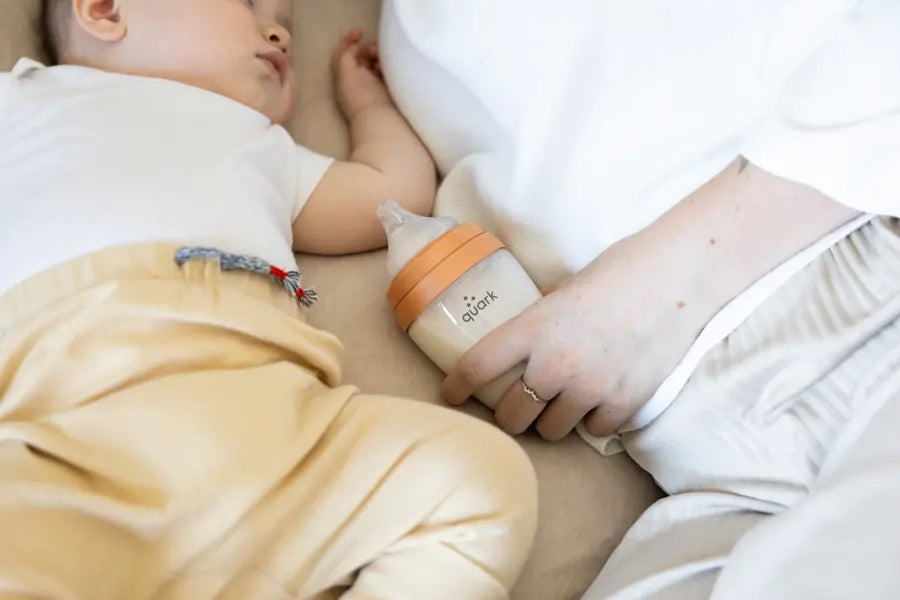
L'allaitement exclusif pendant les 4 à 6 premières semaines permet de bien démarrer l'allaitement. Mais si vous prévoyez de reprendre le travail ou si vous devez donner un biberon pour une raison quelconque, commencez vers 4 semaines et proposez-le chaque semaine pour que le bébé s'habitue.
Le meilleur lait à utiliser dans le biberon est votre lait maternel tiré. Un tire-lait peut rendre cela facile. Si vous restez à la maison avec votre bébé, vous pouvez ignorer cette étape.
Vous pourriez produire trop peu ou trop de lait pour votre bébé
Allaitez souvent les premiers jours pour prendre un bon départ. Si votre bébé ne prend pas bien du poids ou si vous débordez de lait, demandez conseil à une consultante en lactation (IBCLC). Un soutien professionnel peut vous aider à gérer les préoccupations liées à la production de lait.
Participez à un groupe de soutien à l'allaitement
Le simple fait de voir d'autres parents allaiter et de discuter avec eux peut être une source de réconfort. Le ou la responsable sera parfois une consultante en lactation qui pourra répondre à vos questions et vous aider à résoudre les problèmes. Ces groupes offrent un soutien communautaire inestimable.
Allaitez allongée
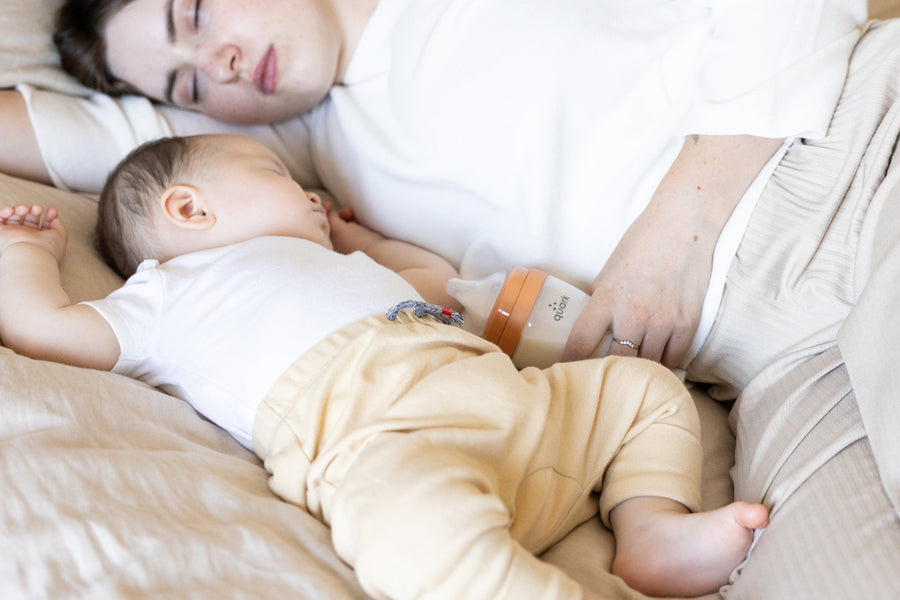
Allongez-vous avec votre bébé "sur vous" ou allongez-vous sur le côté pendant que votre bébé tète. Utilisez des oreillers pour vous et votre bébé confortablement. Vous avez aussi besoin de vous reposer un peu ! Allaiter dans différentes positions peut vous aider à trouver ce qui fonctionne le mieux.
Utilisez-le ou perdez-le
La meilleure façon de produire plus de lait est de nourrir le bébé. Un sein "vide" produit plus de lait. Ne sautez pas de séances d'allaitement les premiers jours. La constance est la clé pour établir et maintenir votre production de lait.
Révision médicale : Dr Yang · Dernière révision : 6 août 2026



Laisser un commentaire
Tous les commentaires sont modérés avant d'être publiés.
Ce site est protégé par hCaptcha, et la Politique de confidentialité et les Conditions de service de hCaptcha s’appliquent.