

Quick answer: Neither silicone nor plastic is universally "better" — the safer choice depends on the part, the food contact, the heat involved, and the cleaning routine. As a rule, food-grade silicone is a strong pick for flexible, heat-tolerant, food-contact parts (nipples, feeders, trays, teethers), while certified BPA-free plastic suits rigid bottle bodies and lids. Always match the product's stated use limits.
"Silicone vs plastic" is not a simple good-material-versus-bad-material decision. The smarter buying habit is to compare the exact product: which part touches food, at what temperature, for how long, and how it will be cleaned after real use. That question applies to silicone feeding tips, freezer trays, bottle nipples, and sippy parts, as well as to plastic bottle bodies and lids. Below is a practical comparison plus the safety points that matter most.
Silicone vs plastic for baby feeding: side-by-side comparison
| Dimension | Food-grade silicone | Baby-feeding plastic |
|---|---|---|
| Cleaning | Smooth, non-porous; usually dishwasher-safe and easy to rinse fully. | Often dishwasher-safe; check the item's instructions for top-rack only. |
| Mold / residue | Inspect soft folds and valves; rinse and dry fully to avoid buildup. | Scratches and crevices can trap residue; replace when worn. |
| BPA / chemicals | Food-grade silicone is BPA-free; confirm the food-contact claim. | Choose BPA-free, food-grade plastic and follow stated heat limits. |
| Durability | Flexible and tear-resistant; watch for tackiness, odor, or tears. | Rigid and impact-resistant; watch for scratches, clouding, or cracks. |
| Heat tolerance | Generally heat-tolerant; follow the product's boil/steam/microwave guidance. | Heat tolerance varies; only sterilize or microwave if the label allows. |
| Cost & visibility | Higher upfront; soft parts may not show volume markings clearly. | Often lower cost; clear bodies make volume and mixing easy to see. |
Is silicone safer than plastic for baby feeding?
Food-grade silicone is widely regarded as a safe food-contact material, and it avoids the BPA concerns historically tied to some plastics. But "safer" depends on the specific product, not the material name alone. A certified BPA-free, food-grade plastic bottle used within its stated heat and cleaning limits is also designed to be safe. The risk usually comes from misuse — overheating a part not rated for it, using a cracked or scratched item, or skipping proper cleaning — rather than from the material category. Verify the food-contact claim, follow the use limits, and replace worn parts, and both materials can be used safely.
What does "food-grade silicone" actually tell you?
Food-grade language means the product is intended for food-contact use — but it does not answer every question. You should still check age suitability, cleaning instructions, heat limits, and whether a specific part may be boiled, steamed, frozen, microwaved, or dishwashed. A material claim is the start of due diligence, not the end. Look for clear, product-specific instructions rather than relying on a broad label.
What about BPA and plastic?
BPA (bisphenol A) is a chemical historically used in some plastics. Out of caution, choose baby-feeding plastics labeled BPA-free and food-grade, and follow the heat and cleaning instructions on the item. Discard plastic that is scratched, cloudy, or cracked — damaged surfaces are harder to clean and can degrade over time. When in doubt about a specific product, follow the manufacturer's stated use limits and your pediatrician's guidance.
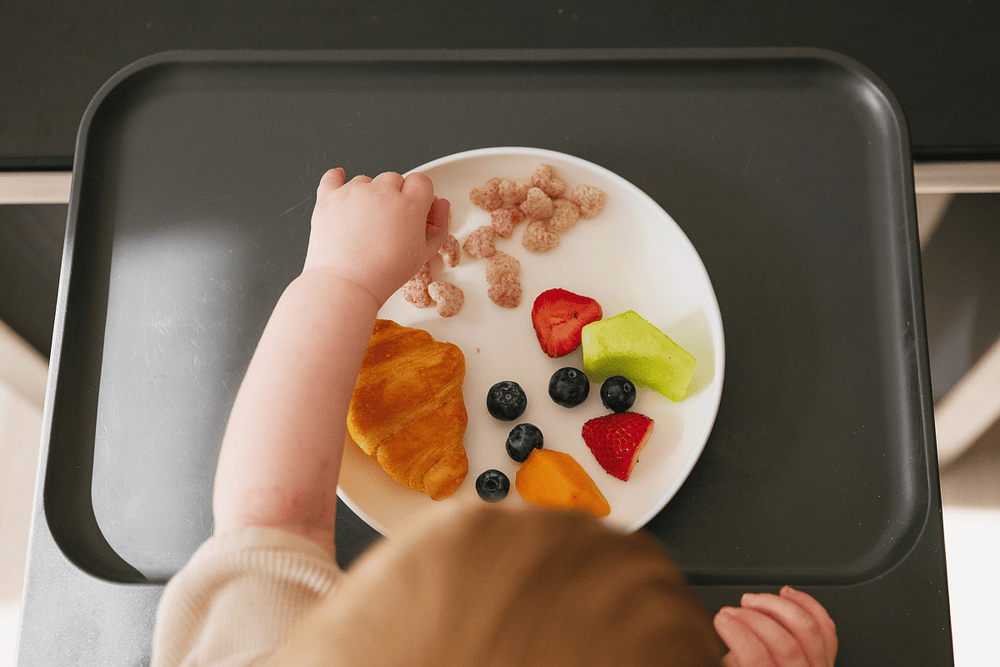
For shoppers who want a coordinated food-grade silicone set for the high-chair stage, the Feedi silicone dining set covers the flexible, food-contact pieces — plate, bowl, and utensils — in one easy-clean system, exactly the use case where silicone's softness and dishwasher-friendly surface help most.
Important safety notes
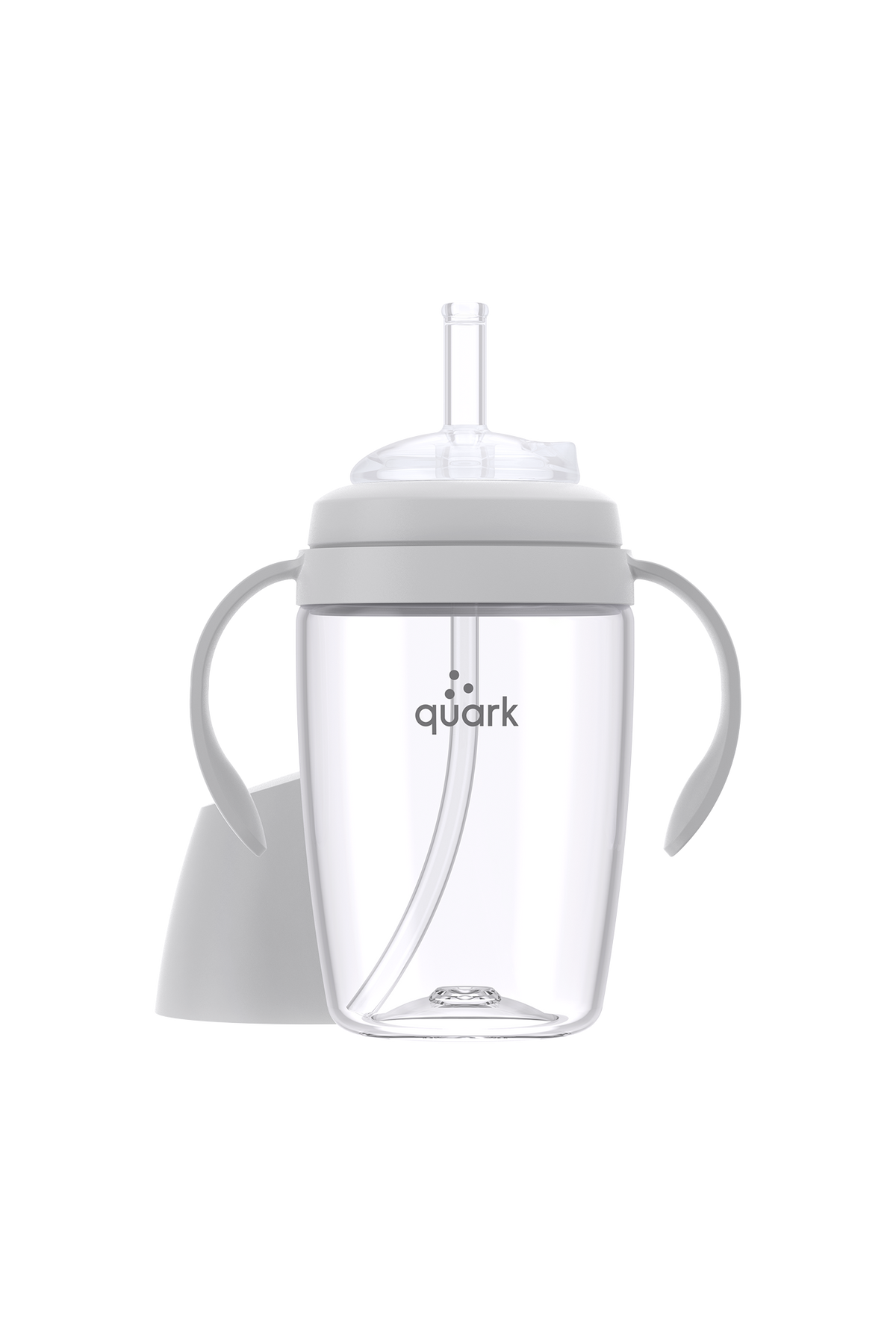
- Match the part to the use. Use silicone feeding tips, trays, and teethers within their stated heat limits; use plastic bottle bodies and lids per their sterilization/microwave instructions.
- Choose food-grade, BPA-free. For any part that touches food, confirm a food-grade claim — BPA-free, food-grade silicone or BPA-free, food-grade plastic.
- Clean after every use and dry fully. The CDC advises cleaning feeding items after each use and drying them completely to prevent mold and bacterial growth.
- Replace scratched, cracked, or worn items. Discard plastic that is scratched, cloudy, or cracked, and silicone that is torn, tacky, or smells off — damaged items are harder to clean and may degrade.
- Follow age and readiness guidance. The AAP recommends introducing solids around 6 months when your baby shows readiness signs; check with your pediatrician.
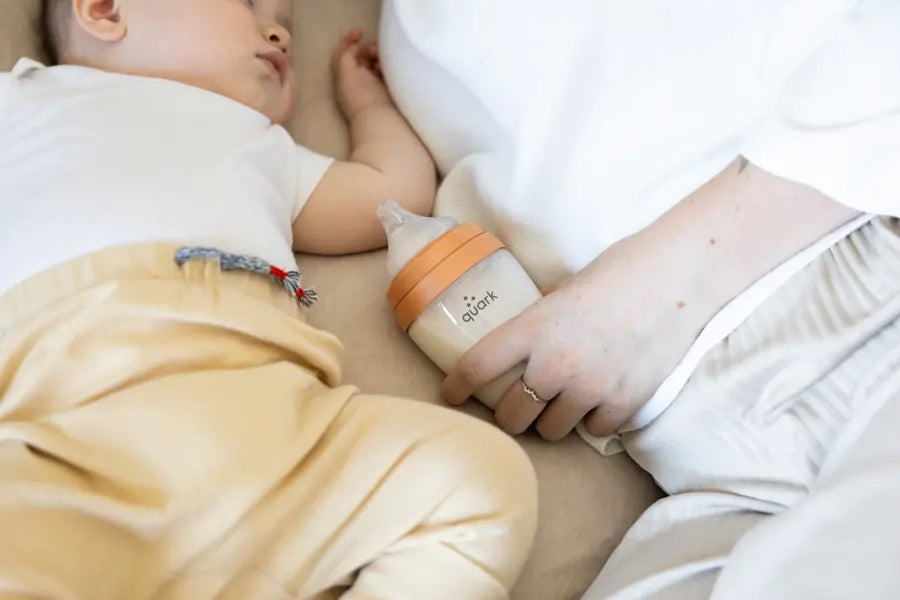
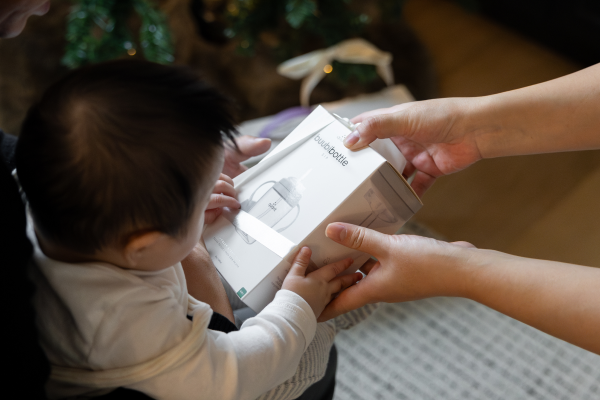
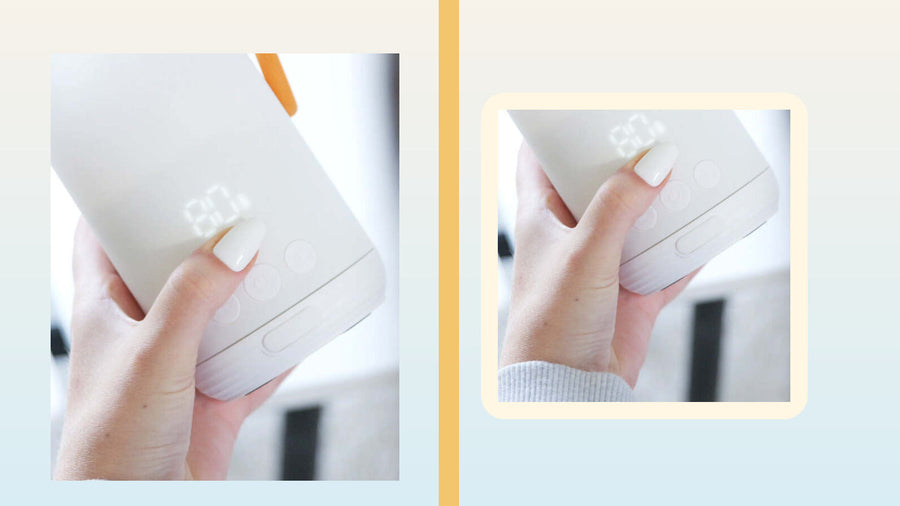
If you are choosing a bottle for the milk stage, the BuubiBottle Mini pairs a food-grade feeding system with portable design — a useful companion piece when you are building out a full silicone-and-bottle feeding kit.
Frequently asked questions
Is silicone or plastic better for baby bottles and feeding products?
It depends on the part. Food-grade silicone suits flexible, heat-tolerant, food-contact pieces like nipples, feeders, and trays; BPA-free food-grade plastic suits rigid bottle bodies and lids where structure and clear volume markings help. Match each product to its stated use.
Is food-grade silicone safe for babies?
Food-grade silicone is widely used for baby feeding and is BPA-free, but still confirm the product's food-contact claim, follow its heat and cleaning limits, and replace it if it tears, gets tacky, or smells off.
How do I know if a plastic feeding product is BPA-free?
Look for a clear "BPA-free, food-grade" claim on the product or packaging, and follow the stated heat and cleaning instructions. Replace any plastic that is scratched, cloudy, or cracked.
Can I microwave or boil silicone and plastic feeding products?
Only if the specific product says so. Heat tolerance varies by item, so follow each product's boil, steam, microwave, and dishwasher instructions rather than assuming the material is safe at any temperature.


Leave a comment
All comments are moderated before being published.
This site is protected by hCaptcha and the hCaptcha Privacy Policy and Terms of Service apply.