


Returning to work, a long outing, a partner who wants to share a feed: there are many good reasons to introduce a bottle to a breastfed baby, and just as many questions about how to do it without disrupting what you've built. Most lactation consultants suggest waiting until breastfeeding is well established, typically around 3 to 4 weeks, before introducing a bottle, then using a slow-flow, breast-shaped nipple and paced bottle feeding to protect your breastfeeding relationship. This guide covers the timing, the technique, and the most common challenges parents face.

When to introduce a bottle to a breastfed baby
The American Academy of Pediatrics (AAP) recommends exclusive breastfeeding for about the first 6 months of life. If you plan to combine breastfeeding and bottle feeding, most IBCLCs (International Board Certified Lactation Consultants) suggest waiting until 3 to 4 weeks postpartum, when breastfeeding is typically well established.
Introducing a bottle very early, in the first 1 to 2 weeks, may interfere with milk supply and latch development while your body is still regulating production. If you're returning to work before 4 weeks, speak with a lactation consultant. There are strategies to manage earlier introduction without jeopardizing supply.
Choosing the right bottle and nipple
Not all bottle nipples are equal for breastfed babies. Look for:
- Slow flow. Breastfeeding requires active suckling. A fast-flow nipple delivers milk too easily and can cause bottle preference.
- Breast-shaped profile. A wide, rounded base that mimics the breast and supports a natural latch.
- Soft, flexible silicone. It responds to your baby's suckling rhythm the way breast tissue does.
- Anti-colic venting. It reduces air swallowing when feeding in a more upright position.
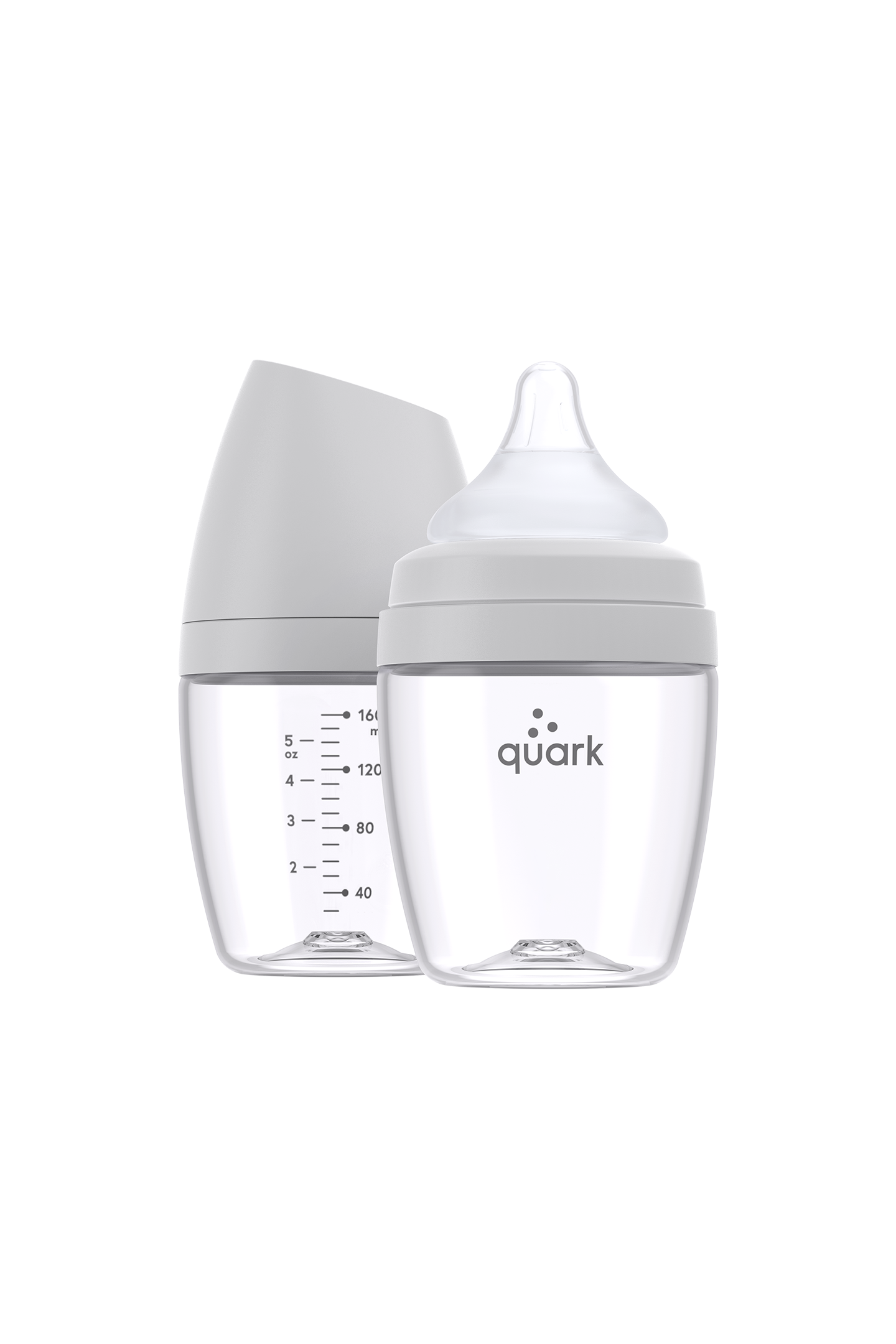
BuubiBottle Mini + RealFeel Slow Flow Nipple
A 5oz shatterproof Swiss Grilamid TR-90 bottle with a breast-shaped RealFeel nipple designed for breast-and-bottle routines. The slow-flow (0M+) nipple requires active suckling, which helps preserve the feeding rhythm your baby knows from breastfeeding.
How to bottle feed a breastfed baby: the paced feeding technique
Paced bottle feeding is the recommended technique for breastfed babies. It slows the flow of milk to match the natural rhythm of breastfeeding and helps your baby read their own fullness cues.
Tips for a smooth introduction
Let someone else offer the first bottle
Many breastfed babies initially refuse a bottle from their primary nursing parent, because they can smell the breast milk and prefer the source. Having a partner, grandparent, or caregiver offer the first few bottles often makes acceptance easier.
Time it right
Try introducing the bottle when your baby is calm and mildly hungry, not frantic with hunger and not full. A settled, alert state gives you the best chance of acceptance.
Warm the nipple
Run the silicone nipple under warm water before offering it. A nipple closer to body temperature can feel more familiar to a breastfed baby.
Keep the milk warm on the go
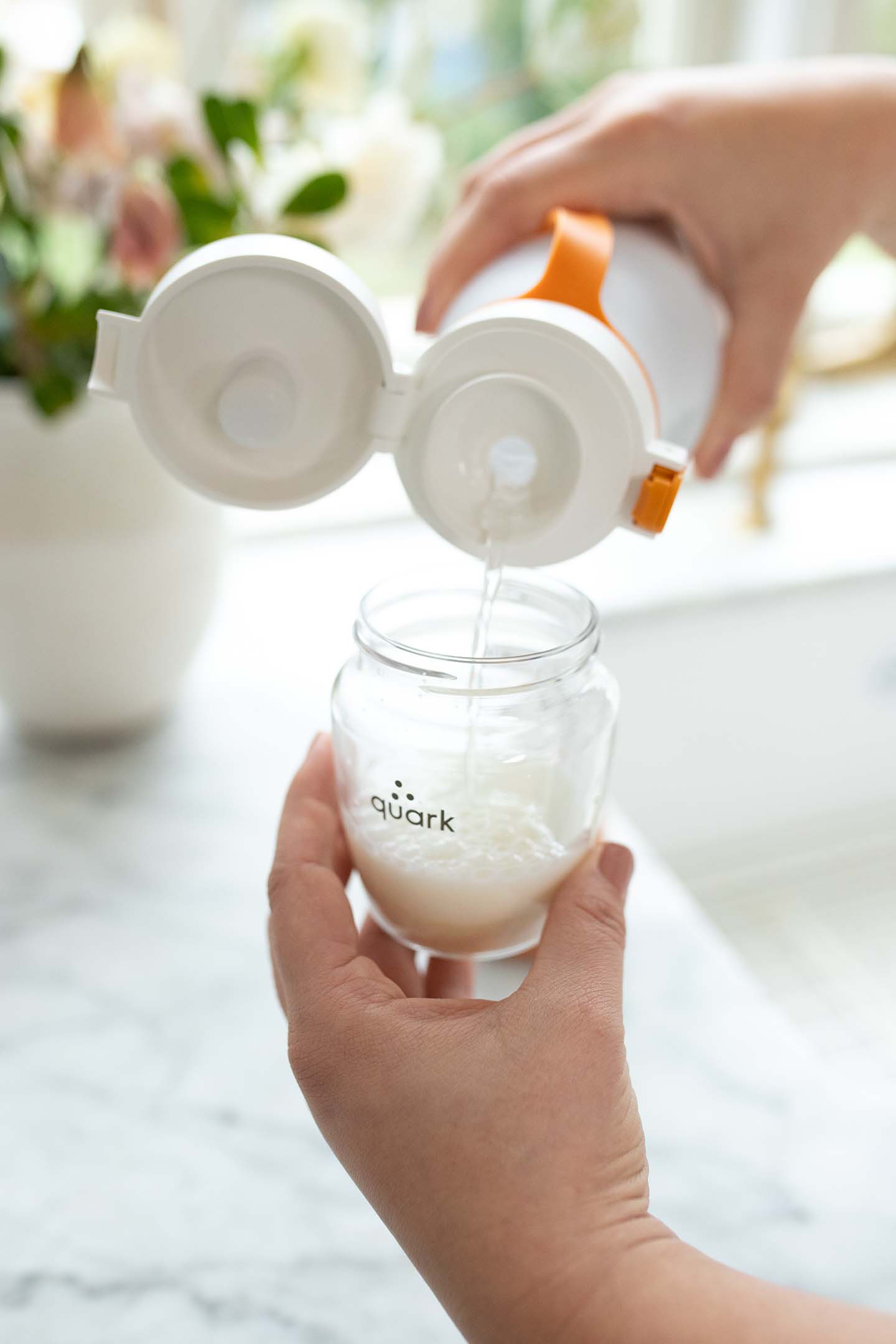
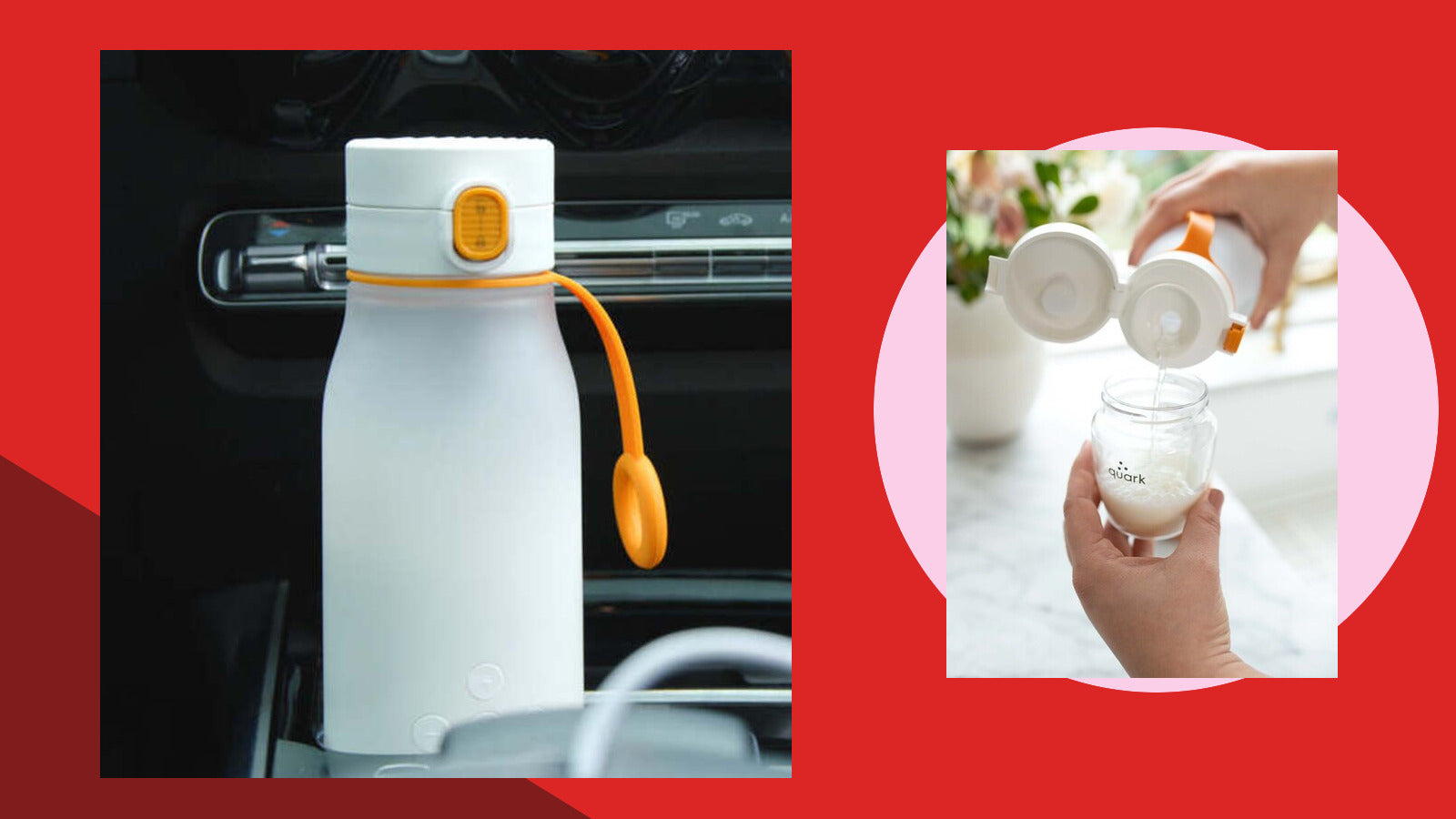
For feeds outside the home, a portable milk warmer means expressed breast milk is ready at the right temperature without a microwave. The BuubiBottle Smart Portable Milk Warmer warms milk within a controlled 37–50 °C (98–122 °F) range on a single USB-C charge, whether you're at an airport, in the car, or anywhere else. Always finish with a wrist test before feeding.
Common challenges
Baby refuses the bottle entirely
This is common and usually temporary. Try different nipple shapes (every baby's preference is different), different temperatures, different caregivers, or different times of day. Most babies accept a bottle within 1 to 2 weeks of consistent, patient attempts.
Baby drains the bottle too fast and seems unsatisfied
This usually signals that the nipple flow is too fast. Move to a slower flow rate and use the paced feeding technique above. Feeding should feel like work, with active suckling rather than passive drinking.
Baby pulls off repeatedly and seems frustrated
Check the latch, since the same rules apply as at the breast: a wide, deep latch with the nipple fully in the mouth. Also check that you're holding the bottle horizontally rather than tipping it up.
Common questions
When is it too late to introduce a bottle?
It depends, there's no universal cutoff, but introducing a bottle tends to get harder after 4 to 6 months, when babies develop stronger preferences. Earlier is generally easier, once breastfeeding is established. If you're introducing later, expect a longer acceptance period and more patience.
Will introducing a bottle affect my milk supply?
It depends. If a bottle feed replaces a breastfeed without pumping, it reduces the stimulation your body needs to maintain supply. To protect supply, pump whenever a bottle feed replaces a breastfeed. Many parents use an electric or hospital-grade pump to maintain output while introducing bottles at daycare or work.
Which bottle is best for a breastfed baby?
Look for a slow-flow nipple with a breast-shaped profile, soft silicone texture, and anti-colic venting. The BuubiBottle Mini with its RealFeel nipple was designed for breast-and-bottle routines: the breast-shaped base and slow flow support the natural latch breastfed babies already know.
How much expressed breast milk should I put in the bottle?
Start with small amounts, around 60 ml to 90 ml (2 to 3 oz), especially for the first few attempts. Overloading the bottle creates pressure to finish it and can lead to overfeeding. You can always offer more if your baby signals hunger after finishing. Feeding amounts vary from baby to baby, so follow your baby's cues and your provider's guidance.
Can I use both breast and bottle at every age?
Yes, many families successfully combine breastfeeding and bottle feeding for months. The key is consistency with paced feeding technique and maintaining supply by pumping to replace breast feeds. Consult your IBCLC for a feeding plan tailored to your situation and goals.
What's the difference between combination feeding and supplementing?
Combination feeding usually refers to alternating between breastfeeding and bottle feeding (expressed breast milk or formula) on a regular basis. Supplementing usually refers to adding occasional formula feeds while keeping predominantly breast milk feeds. Both are valid approaches, and the right one depends on your supply, lifestyle, and goals.
Sources
- American Academy of Pediatrics (HealthyChildren.org) — Bottle Feeding: How It's Done
- American Academy of Pediatrics (HealthyChildren.org) — How to Sterilize and Warm Baby Bottles Safely
- American Academy of Pediatrics (HealthyChildren.org) — Storing and Preparing Expressed Breast Milk
- American Academy of Pediatrics — Policy Statement: Breastfeeding and the Use of Human Milk. Pediatrics, 2022 (doi:10.1542/peds.2022-057988).
Medical disclaimer: This article is for general informational purposes only and does not constitute medical advice. Always consult your healthcare provider, midwife, or IBCLC for guidance tailored to your baby's specific needs. Medically reviewed by Dr. Yang.


Leave a comment
All comments are moderated before being published.
This site is protected by hCaptcha and the hCaptcha Privacy Policy and Terms of Service apply.