



How to feed your baby protein
When babies start solids, many parents wonder how to provide enough protein safely — especially if they’re trying baby-led weaning or preparing food at home. The good news? Babies don’t need complicated meals to get the protein they need. With the right foods and textures, it’s easy to support healthy growth while keeping mealtimes low-stress.
This guide breaks down protein-rich baby foods, how to prepare them safely, and practical tips for serving them during the first year of solids.
What Is Baby-Led Weaning?
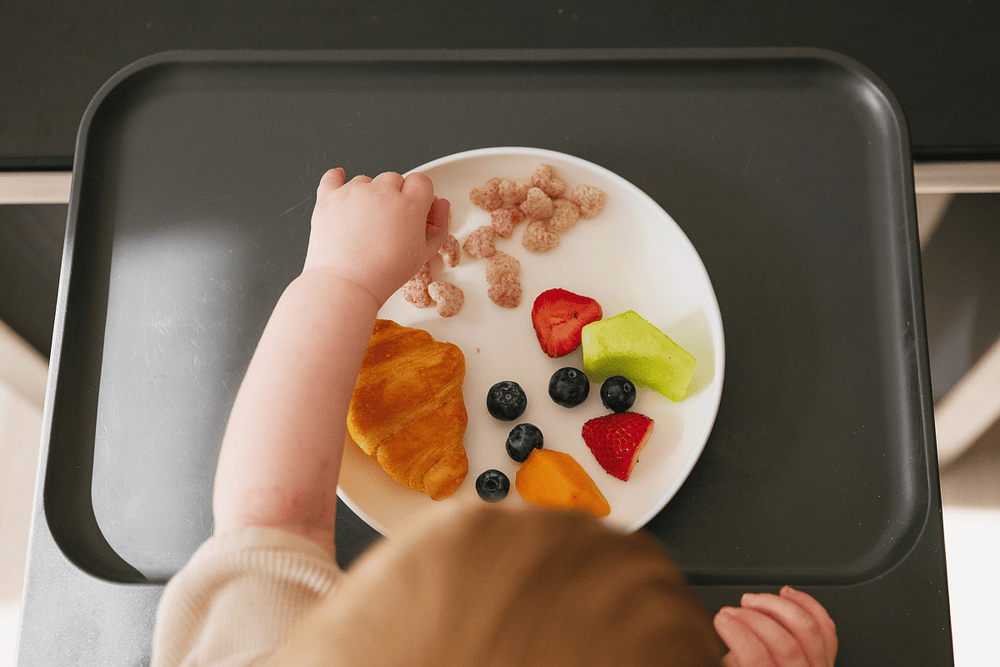
Baby-led weaning (BLW) is a feeding approach where babies self-feed soft, graspable foods instead of being spoon-fed purées. It encourages:
- Motor skill development
- Exposure to a variety of textures
- Family mealtimes with shared foods
Whether you follow strict BLW or a mix of finger foods and purées, protein-rich foods can be introduced safely once your baby shows readiness for solids (usually around 6 months).

Why Protein Matters for Babies
Protein plays an essential role in:
- Growth and muscle development
- Tissue repair
- Immune system support
Many protein foods also provide important nutrients like iron, zinc, and healthy fats, which are especially important during the first year when babies’ iron stores begin to decrease.
Best Protein-Rich Foods for Babies (6–18 Months)
Below are nutrient-dense, baby-friendly protein options, including tips for safe preparation.
Meat & Poultry (Iron-Rich Protein)
Examples:
- Chicken
- Turkey
- Beef
- Lamb
How to serve safely:
- Cook until very soft
- Shred, mince, or serve as large, tender strips
- Mix with vegetables or mash for moisture
These foods are especially valuable because they contain heme iron, which is easily absorbed.
Fish (Low-Mercury Options)
Examples:
- Salmon
- Cod
- Haddock
How to serve safely:
- Remove all bones
- Cook until flaky and soft
- Serve in large flakes or mixed into mashed vegetables
Fish provides protein plus omega-3 fats that support brain development.
Eggs
Eggs are a complete protein and easy to prepare.
Safe serving ideas:
- Scrambled eggs cooked fully
- Omelet strips
- Hard-boiled egg mashed with avocado
Eggs can usually be introduced early, as long as they are fully cooked.
Dairy (After 6 Months, in Small Amounts)
Examples:
- Plain full-fat yogurt
- Soft cheeses (low sodium)
Dairy adds protein, calcium, and fats. Avoid added sugars and high-salt cheeses.
Beans, Lentils & Chickpeas (Plant-Based Protein)
Examples:
- Lentils
- Black beans
- Chickpeas
How to serve:
- Cook until very soft
- Mash, blend, or form into patties
- Combine with vegetables for balanced meals
These are affordable, fiber-rich protein sources.
Tofu & Soy Foods
Tofu is soft and easy for babies to manage.
Tips:
- Choose plain, firm tofu
- Cut into strips or cubes
- Pan-warm or steam for easier grip
Nut & Seed Butters (Thinly Spread)
Nut butters provide protein and healthy fats.
Safe introduction:
- Thin with water, breast milk, or yogurt
- Spread lightly on toast fingers or mix into purées
Never offer thick globs due to choking risk.

Easy Protein-Rich Meal Ideas for Babies
Here are simple combinations parents love:
- Shredded chicken + mashed sweet potato
- Lentils + soft carrots
- Scrambled egg + avocado slices
- Salmon flakes + mashed peas
- Yogurt + nut butter + fruit purée
These meals can be served as finger foods, spoon-fed, or both.
Making Protein Foods Easier to Prepare at Home
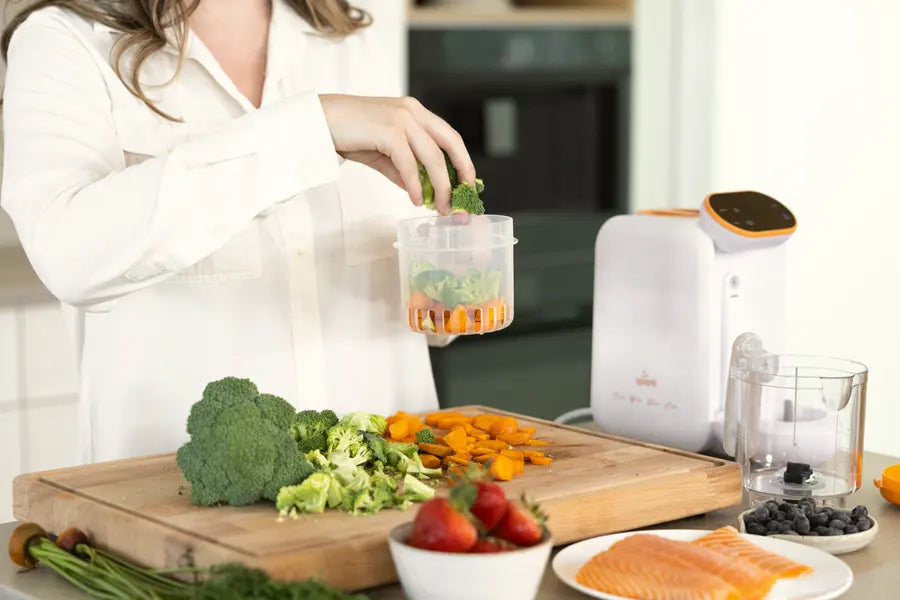
Preparing protein-rich baby foods doesn’t have to be time-consuming. Many parents prefer to cook at home so they can control texture, ingredients, and salt levels — especially when introducing meats, legumes, or mixed meals.
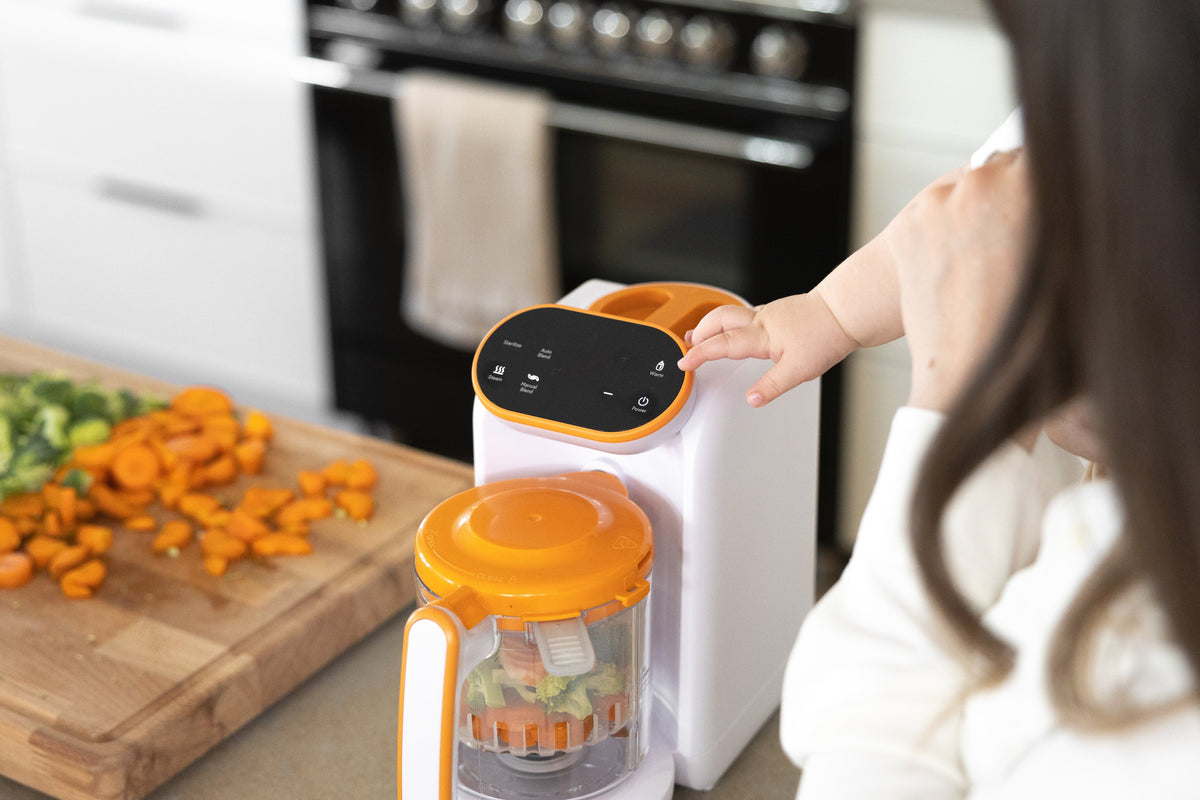
Using a multi-function baby food maker can simplify the process by steaming and blending in one place. For example, the Quook Baby Food Maker allows parents to:
- Steam meats and vegetables until soft
- Blend foods to different textures as babies grow
- Prepare multiple meals at once with minimal cleanup
It’s a helpful option for families who want homemade food without adding complexity to their routine.
Portion Sizes & Texture by Age
6–8 months
- Soft, mashable textures
- Large pieces baby can grip
- Small amounts of protein offered daily
9–12 months
- Chopped or shredded foods
- Mixed meals with protein + vegetables
- Gradually increasing variety
12+ months
- Family foods with minimal modification
- Balanced meals with protein at each main meal
Always supervise meals and follow safe-feeding guidelines.
Common Protein Feeding Mistakes to Avoid
- Adding salt or seasoning
- Offering hard, dry, or sticky textures
- Serving large chunks that aren’t soft
- Relying on protein powders or supplements
Whole foods are best for babies.
Frequently Asked Questions
Can babies get too much protein?
Not usually. Babies typically self-regulate intake when offered whole foods. Focus on variety rather than large portions.
How often should I offer protein foods?
One or two times a day. Once solids begin, offering a protein source 1–2 times per day is usually sufficient.
This article is for general information and is not medical advice. Always consult your pediatrician about your baby’s health.
Medically reviewed by Dr. Yang Last reviewed August 6, 2026.



Leave a comment
All comments are moderated before being published.
This site is protected by hCaptcha and the hCaptcha Privacy Policy and Terms of Service apply.