

Quick answer: For longer or unpredictable travel days, a portable bottle warmer is usually the better choice because it creates and controls heat exactly when the feed is needed and shows a target temperature. A thermos of hot water works well as a simple backup for short trips when you already have a clean container and time to monitor the bottle.
When parents compare a portable bottle warmer with a thermos, the real question is not which one sounds more convenient. It is which routine you can repeat safely away from a full kitchen. A thermos stores hot water; a portable warmer is built to create and control heat when a feed is actually needed. Both can help on travel days, but they solve different parts of the problem.
Safety note: Never microwave breast milk or formula — microwaves heat unevenly and create hot spots that can scald a baby��s mouth (CDC). Warm gently, swirl to distribute heat, and always test a few drops on your wrist before feeding. Do not overheat, which can degrade nutrients in breast milk. Do not repeatedly reheat a bottle, and discard any leftover milk or formula after a feed per CDC guidance. Warming never extends safe storage windows.
Is a bottle warmer or thermos better for travel?
Usually the portable warmer for frequent or unpredictable travel; the thermos for short, simple trips. The table below compares the two on the dimensions that actually decide the purchase.
| Dimension | Portable bottle warmer | Thermos with hot water |
|---|---|---|
| Speed | Predictable once you know the routine; warms on demand. | Fast at first but slows as the packed water cools. |
| Temperature control / safety | More predictable when the device shows or controls temperature; still requires wrist-testing. | Depends on starting water temp, bottle material, and time in the bath. |
| Even heating | Gentle, surrounding heat reduces hot spots when used as directed. | Uneven if water is too hot or the bath is rushed. |
| Portability | One self-contained unit; needs charging. | Simple, no charging, but needs a separate clean cup or bowl. |
| Cleanup | Fewer loose water-bath parts; bottle parts still need washing. | Thermos, cup/bowl, bottle exterior, and spills may all need cleanup. |
| Cost | Higher upfront; pays off when it replaces a recurring travel problem. | Cheap if already owned; hidden cost is ongoing hot-water planning. |
When does a thermos make sense?
For short trips with a simple plan. A thermos does not need charging and can act as backup hot water when you are driving, visiting family, or using a stable counter. It is a good fit when your baby accepts room-temperature feeds most of the time and you only warm occasionally. The tradeoff is control: hot water cools, the bath can warm unevenly, and the process usually needs an extra cup or bowl. Balancing a diaper bag, a crying baby, and a public restroom counter can make the "simple" method less simple.
When does a portable warmer fit better?
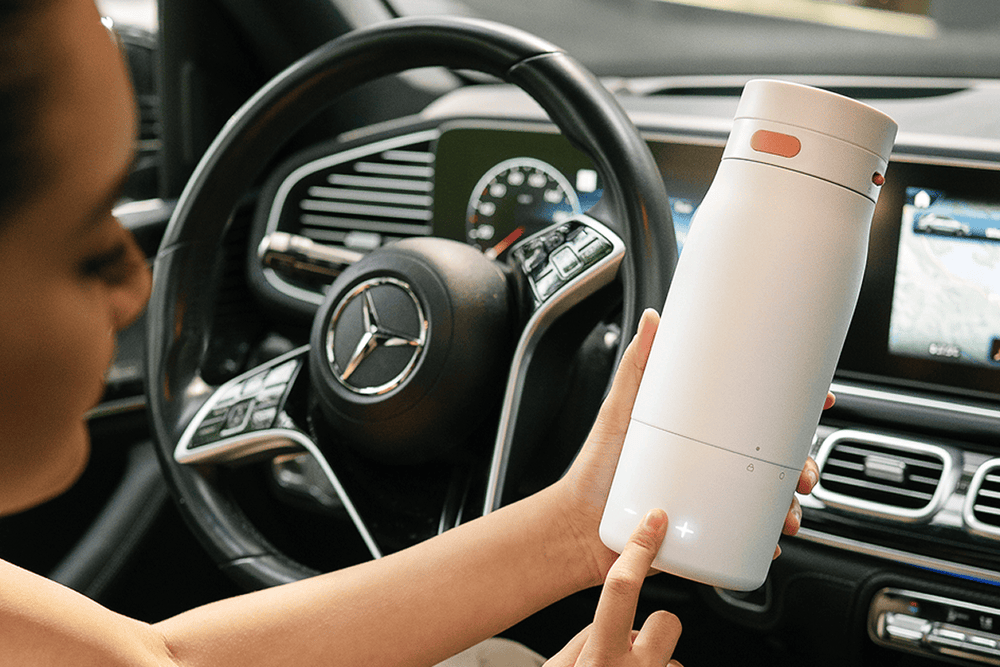
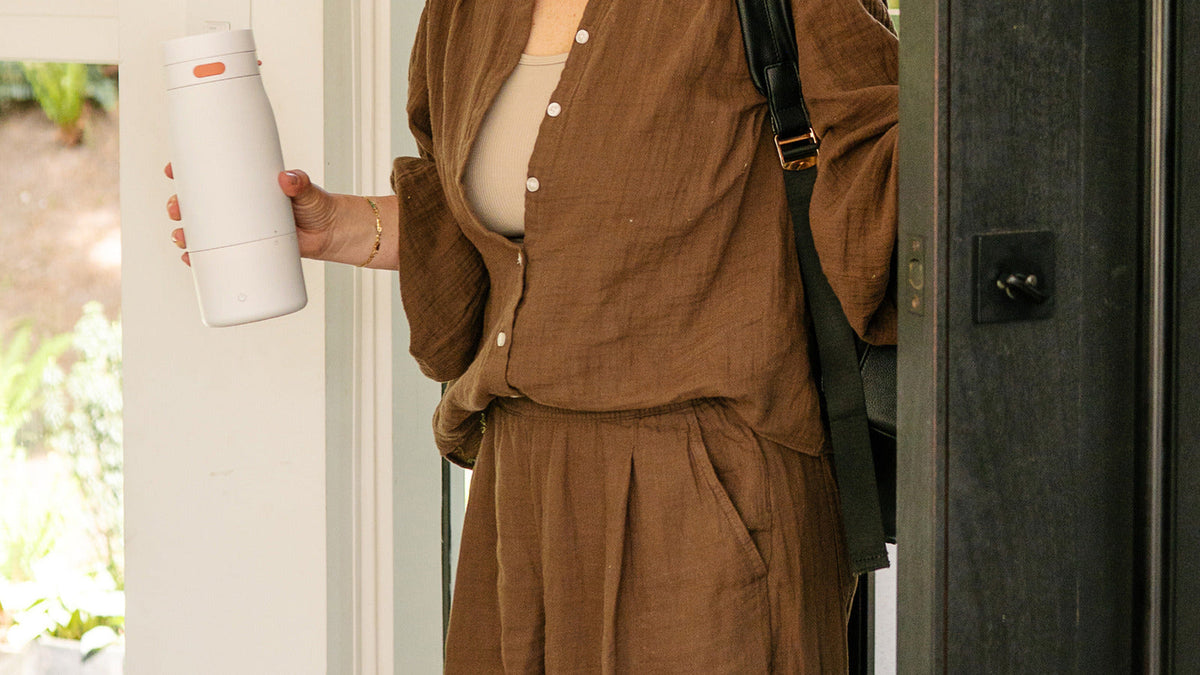
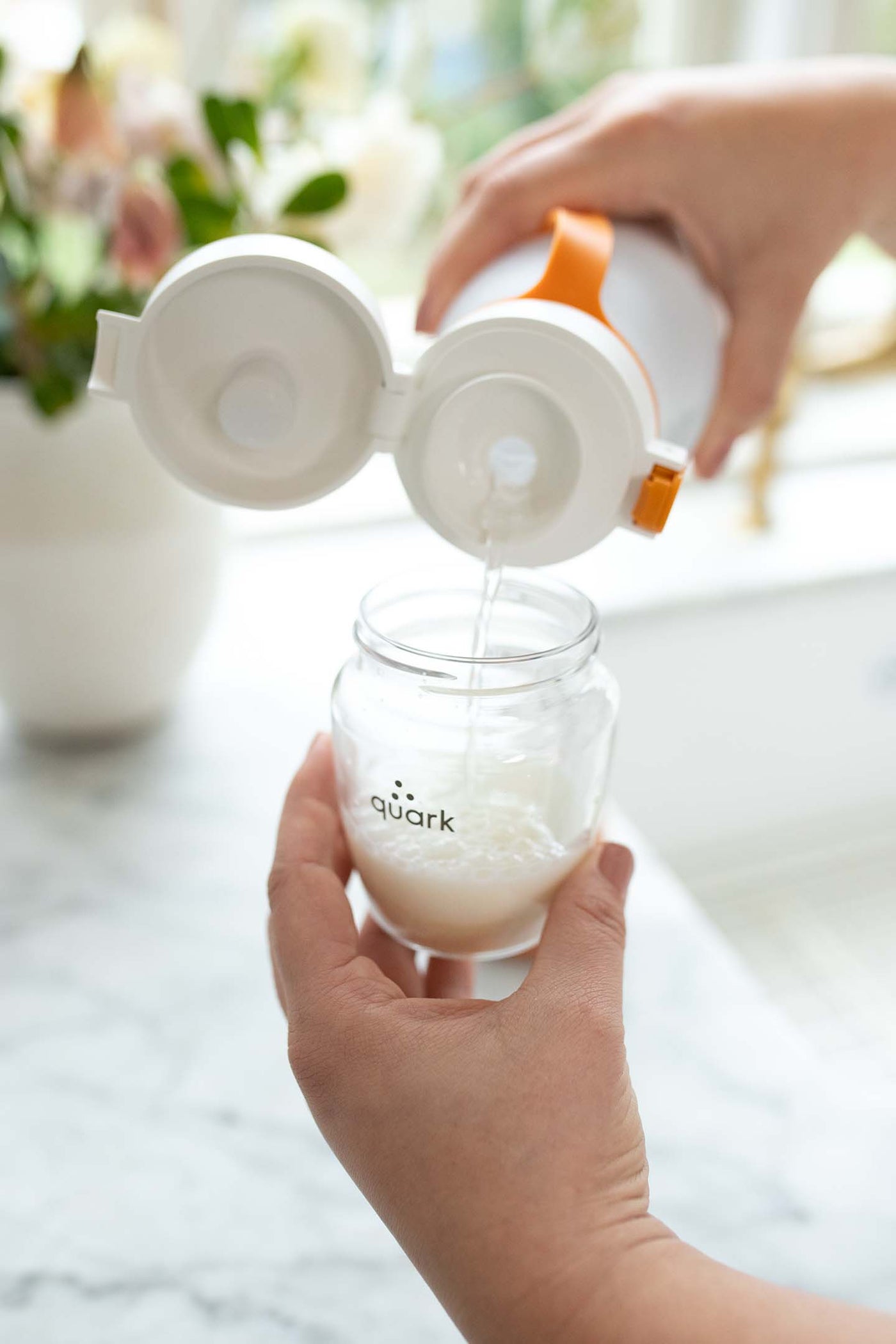
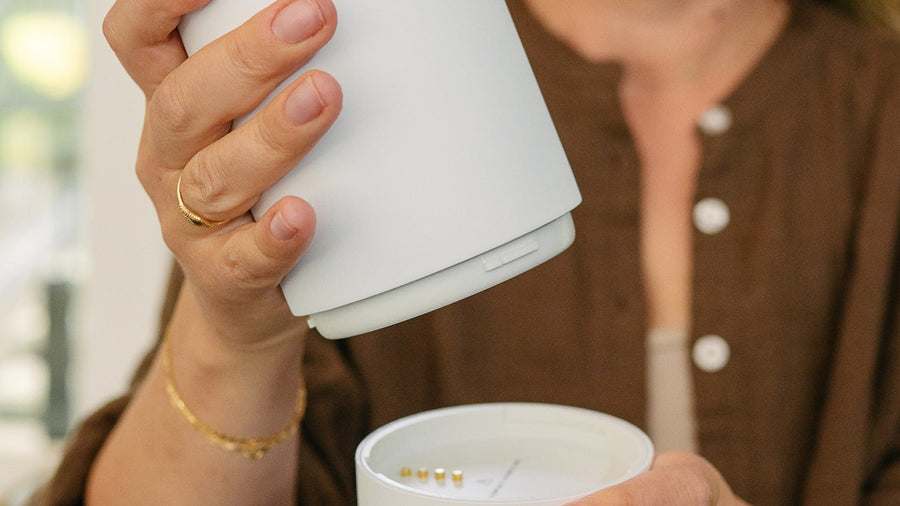
When feeds happen away from home and you want fewer variables. Quark Baby’s BuubiBottle Portable Milk Warmer PRO lists a 17 oz capacity in a vacuum-insulated stainless steel vessel, 360° heating, and a temperature you set that it then holds to a single degree in either Fahrenheit or Celsius. It also lists a dedicated Formula Preparation Mode that brings water to 158°F / 70°C for preparing powdered formula, a vessel that twists free of the electronic base for washing, a wide opening that fits most bottles and milk bags, and recharging to 80% in about 90 minutes over 30W USB-C per the product page.
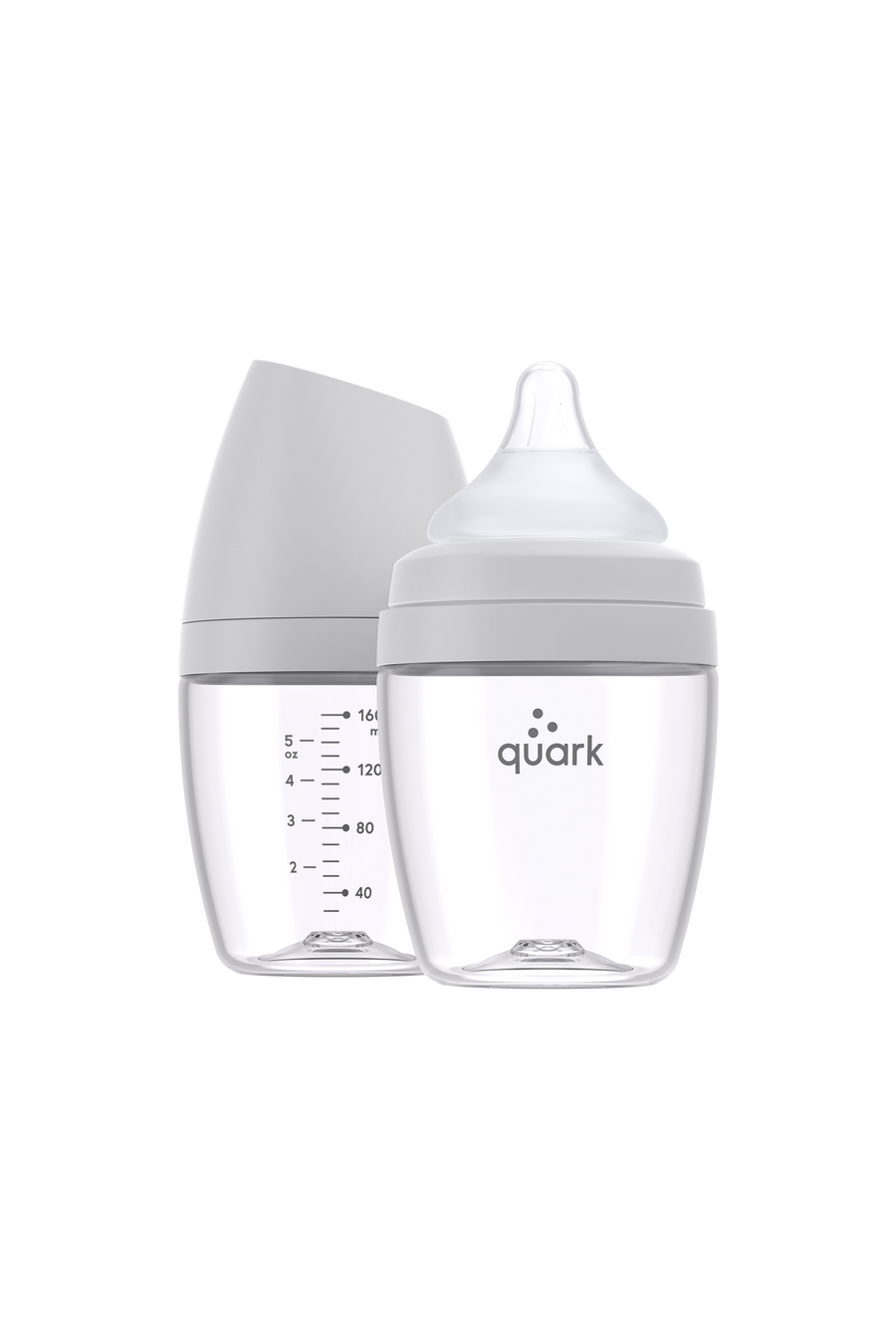
If you want the lighter, smaller option, the original BuubiBottle Smart Portable Milk Warmer lists a 300 ml / 10 oz capacity, a Tritan bottle, a 316 stainless steel heating element, temperature control from 37ºC / 98ºF to 50ºC / 122ºF, a locking leak-proof cap, a removable carry strap, and up to 10 hours of battery life. It carries less and cleans in place rather than coming apart.
How do I choose by trip type?
Match the method to the day.
- Short errand: A thermos is often enough if you already carry hot water and the feed will happen soon. Keep the bottle sealed, track time, and test temperature before feeding.
- Airport or flight day: A portable warmer is usually easier because it reduces the need to find hot water or pour in tight spaces. It does not replace security checks on liquids and devices.
- Hotel stay: A portable warmer reduces sink and kettle dependency. A thermos works if you have reliable hot water and a clean container, but cleanup becomes part of the routine.
- Road trip: Either can work. Carry a thermos as backup if you like, but the regular warming routine should be the one that creates the least guessing while parked safely.
What should I not overvalue?
Speed and raw capacity. A faster warm-up is not helpful if it makes a caregiver less careful about temperature checks or safe-use windows. The right capacity is the one that fits your actual bottle volumes without making the setup bulky. Compare the total routine — preparation, warming, testing, and cleanup — not the loudest marketing claim. A good test: choose the method you can explain to another caregiver in one minute and repeat without hunting for extra supplies, even when the baby is hungry and the schedule has changed.
If the portable-warmer path fits your routine, the BuubiBottle Portable Milk Warmer PRO page lists the capacity, temperature range, battery expectations, and material details you should check against your real feed size before buying.
Frequently asked questions
Is a bottle warmer or thermos better for travel?
For longer or unpredictable travel days, a portable bottle warmer is usually better because it creates and controls heat at the moment of the feed instead of relying on water packed hours earlier. A thermos is a fine backup for short outings when you already have a clean container and time to monitor the bottle.
Can I use a thermos to warm breast milk?
Yes. A thermos can carry hot water for a warm-water bath, but the milk must stay sealed inside the bottle, must never be microwaved, and warmed breast milk should be used within 2 hours per CDC guidance.
Does a bottle warmer make milk safe for longer?
No. Warming gear only changes temperature; it does not extend safe-use windows. Prepared formula should be used within 2 hours of preparation and within 1 hour from when feeding begins, and warmed milk is not held for later.
Can I pack the BuubiBottle warmer for air travel?
It is designed for portable, carry-on use, but airline, airport, liquid, formula, and lithium-battery rules change. Check current rules for your specific airline and route before each trip.
Sources
- CDC. Breast Milk Storage and Preparation.
- CDC. Infant Formula Preparation and Storage.
- AAP / HealthyChildren.org. Feeding & Nutrition guidance.
- Quark Baby. BuubiBottle Portable Milk Warmer PRO product specifications.
- Quark Baby. BuubiBottle Smart Portable Milk Warmer product specifications.


Leave a comment
All comments are moderated before being published.
This site is protected by hCaptcha and the hCaptcha Privacy Policy and Terms of Service apply.