

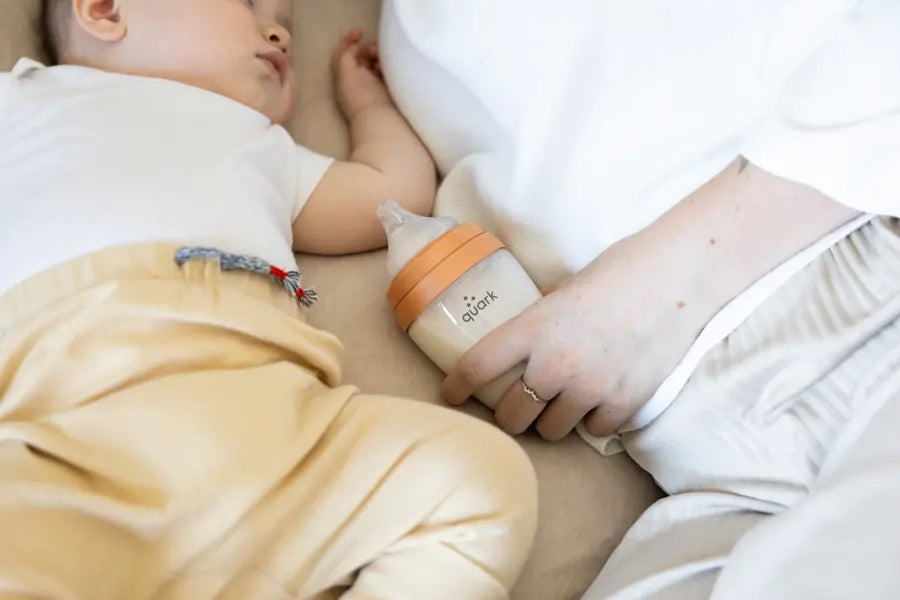

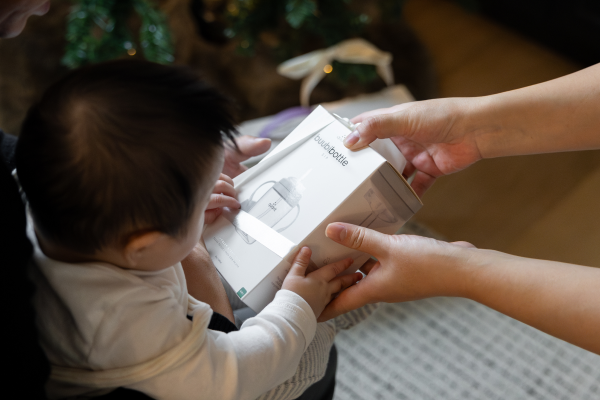
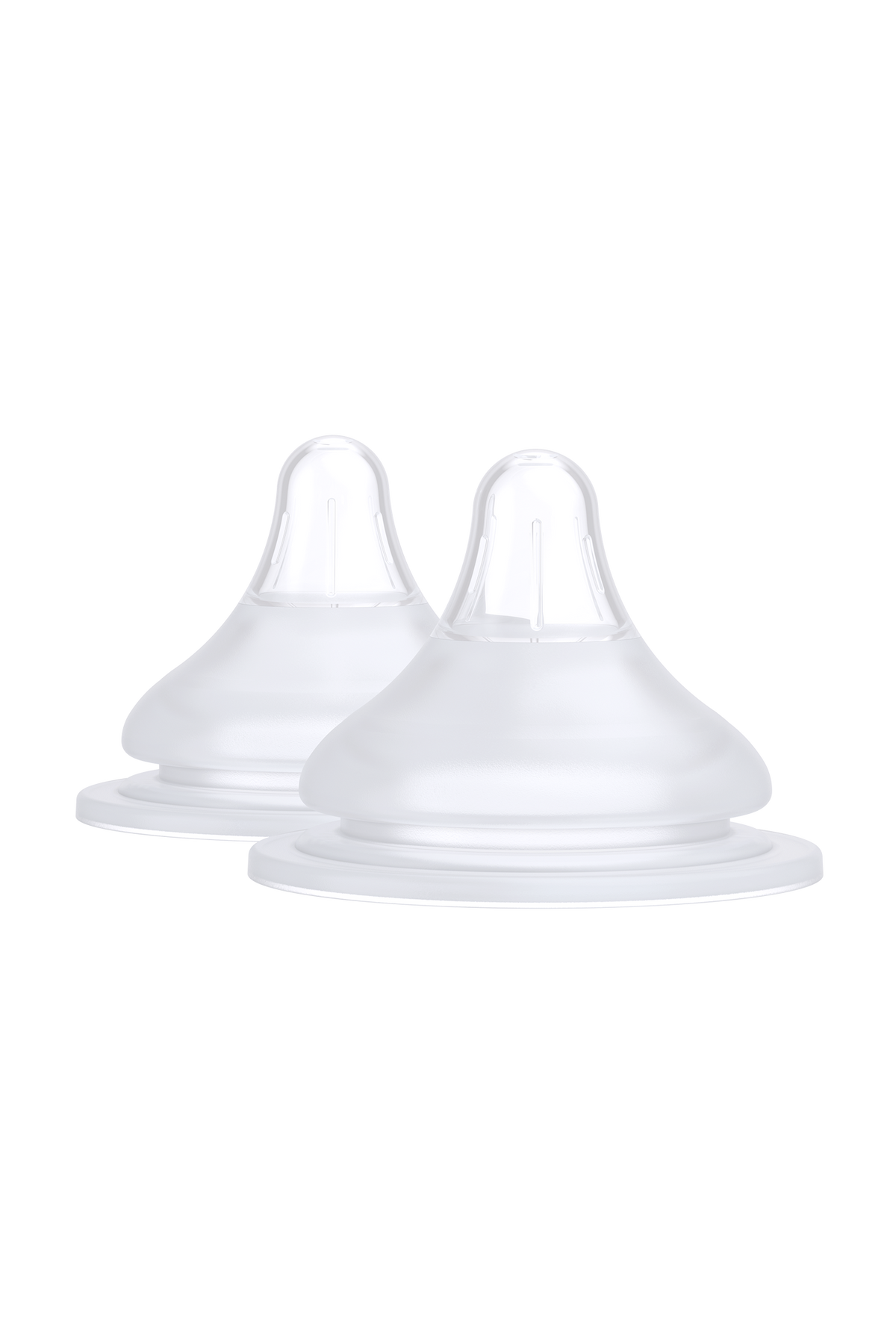
A practical guide to reading feeding cues before changing nipple flow, with a clear path back to RealFeel nipples and BuubiBottle.

Conversion path: Use the routine below, then check BuubiBottle and RealFeel nipples when the current flow no longer fits.
The simple rule: change flow for the feed, not the age
Most parents first hear about nipple flow as an age range. That is a useful starting point, but it should not be the only rule. A baby may be ready for a different flow when the same bottle starts taking much longer, when feeding becomes unusually effortful, or when the routine no longer feels calm.
The safer buying decision is to read the pattern, then choose the next RealFeel nipple only when the problem repeats across normal feeds. That keeps the purchase practical instead of reactive.
Signs the current flow may be too slow
A slow flow can be right for many early feeds. It can also become frustrating when a baby is working hard, stopping often, or leaving feeds unfinished because the bottle takes too much effort. Look for repeated patterns, not one difficult feeding.
When the pattern is steady, moving up one step can make the bottle feel more natural without changing the rest of the setup.
Signs the current flow may be too fast
A faster flow is not automatically better. If feeding feels rushed, messy, or hard to pace, the bottle may be doing too much work at once. Parents should slow down, return to a calmer position, and choose a flow that supports the feed instead of forcing it.
This is why a system with multiple nipple options is useful: you can adjust the feeding part without replacing every bottle.
Why system compatibility matters
RealFeel nipples are part of the BuubiBottle system, so the flow decision can stay small. You can keep the bottle body parents already know, then change the nipple as the feeding pattern changes.
That reduces wrong-fit hesitation before buying replacements. The parent is not starting over; they are tuning the same system.
Common questions
Should I move up because of age alone?
No. Use age as a starting point, then check the actual feeding pattern. Keep the decision tied to the actual feeding routine.
Should I skip a flow size?
Usually no. Move one step at a time unless your clinician gives specific guidance. Keep the decision tied to the actual feeding routine.
Can one baby use different flows?
Yes. Some families keep different flows for different routines when the pattern is clear. Keep the decision tied to the actual feeding routine.
Does a faster flow mean a better feed?
No. The best flow is the one that keeps the feed calm and controlled. Keep the decision tied to the actual feeding routine.
Sources
- Quark Baby: BuubiBottle Mini and Max
- Quark Baby: RealFeel Bottle Nipples
- American Academy of Pediatrics / HealthyChildren.org: Baby feeding and nutrition guidance
This article is general product education. It is not medical advice, and parents should follow clinician guidance for feeding concerns.
This article is general parenting guidance and is not a substitute for advice from your own pediatric provider.
Medically reviewed by Dr. Yang Last reviewed August 6, 2026.



Leave a comment
All comments are moderated before being published.
This site is protected by hCaptcha and the hCaptcha Privacy Policy and Terms of Service apply.