



What Causes Changes in Breastmilk?
If you've ever noticed your breastmilk changing colors, developing unusual smells, or looking different from day to day, you're not alone. Many breastfeeding mothers wonder if their breastmilk is normal when they see these variations. The good news? Breastmilk naturally changes in appearance, smell, and flavor based on what you eat, your activity level, and your body's unique characteristics. Understanding these normal breastmilk variations can give you peace of mind during your breastfeeding journey. Let's explore what's typical and what causes these interesting changes in your liquid gold.
Common Breastmilk Colors and What They Mean
Breastmilk can appear in a surprising rainbow of colors, and most variations are completely normal. Here's what different colors might indicate:
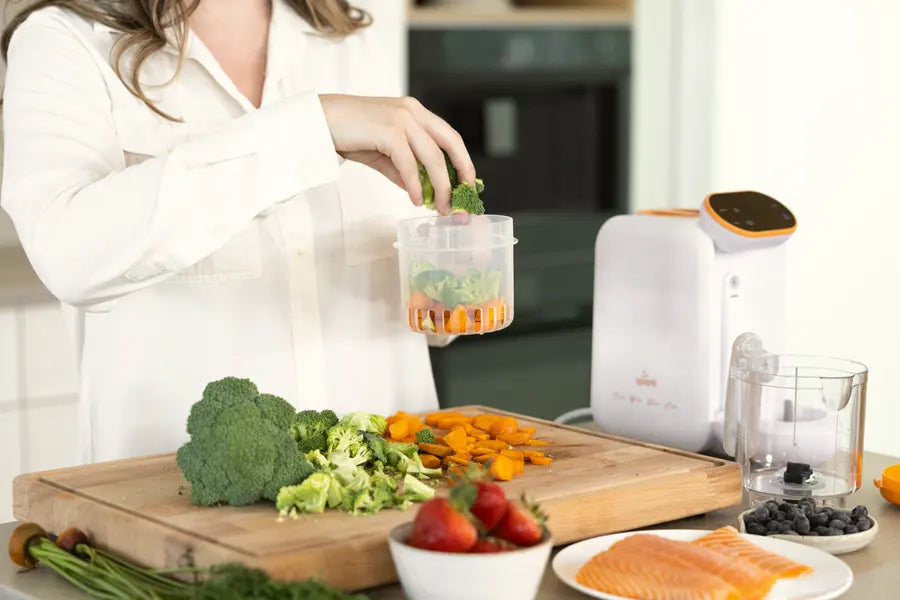
Green breastmilk can occur when you've eaten spinach and green leafy vegetables. The natural pigments from these nutritious foods pass into your milk.
Pink breastmilk typically appears after eating beets. Don't be alarmed—this rosy tint is simply from the vegetable's natural color.
Orange breastmilk often results from consuming carrots and squash. These beta-carotene-rich foods can give your milk a warm, orange hue.

Brown or rust-colored breastmilk may be a sign of "rusty pipe syndrome." This brownish coloration occurs most often at the onset of lactation and dissipates over time. The color comes from small amounts of blood from broken capillaries in the breast, which is harmless to your baby.
Why Does My Breastmilk Smell Different?
Breastmilk smells can vary based on several factors:
Food and Spice Flavors
Breastmilk naturally carries the faint smell and flavor of spices and foods you've eaten. This isn't a problem—in fact, it's believed that these flavors passed through breastmilk help acquaint your baby with your family's foods.
"Spoiled" Smell in Stored Milk
Some women occasionally report milk that smells "spoiled" after only a short period of storage. The cause of this is unknown, though it may be related to an unusually fast breakdown of milk fats.
If you experience this issue, here are some helpful suggestions:
- Use glass storage containers
- Freeze milk at the coldest temperature possible
- Keep milk away from odor-releasing foods in the refrigerator or freezer
- Try heat treating your milk by heating until steaming, then chilling—many women have found this stops the formation of "off" odors
How Diet and Exercise Affect Breastmilk Flavor
Foods and Spices
Your breastmilk will have subtle flavors based on your diet. Spices and foods eaten by mothers create gentle flavor variations in breastmilk. Researchers speculate that these flavor exposures through breastmilk help babies become familiar with the tastes of family meals.
Alcohol Considerations
Studies have shown that babies consumed less milk when it contained alcohol. For this reason, alcohol consumption should be avoided or limited due to the alcohol that passes to your baby through breastmilk.
Post-Exercise Flavors
Milk from mothers who exercise prior to breastfeeding can contain "off" flavors due to lactic acid buildup in the body during vigorous exercise, which passes into the breastmilk. Although this doesn't cause your baby any problems, they may not be as eager to nurse immediately after your workout.

Understanding Cream Separation in Breastmilk
Have you noticed a cream layer forming in your stored breastmilk? This is completely normal. Cream will naturally rise to the surface of the milk and may appear as a distinct layer or as small clumps.
What to do: Simply swirl the milk gently before feeding to disperse the fat back into the milk. This ensures your baby gets all the nutritious fatty content.
Combo Feeding and Bottle Feeding Your Breastmilk
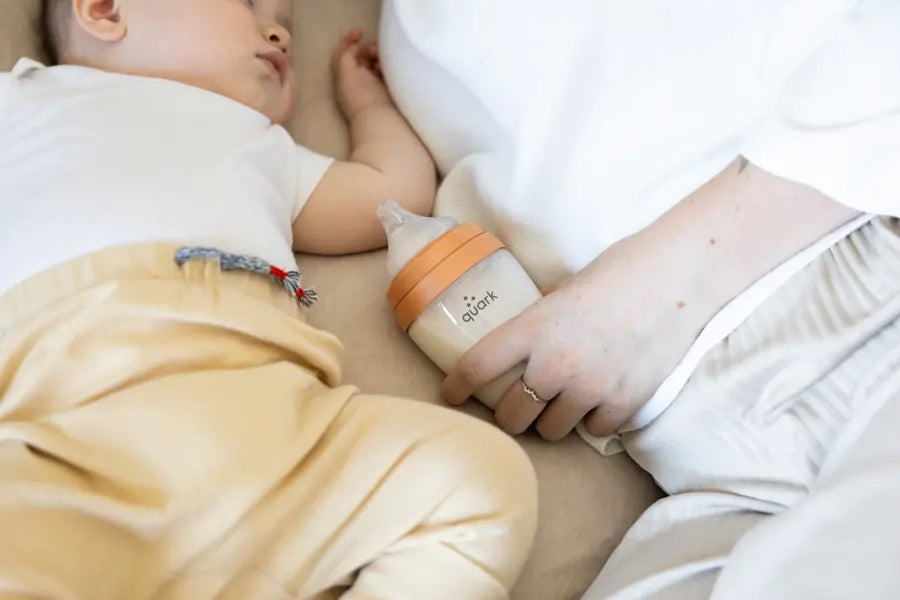
Whether you're exclusively breastfeeding, pumping, or combo feeding, there may be times when you need to offer your breastmilk in a bottle. If you're introducing bottles or alternating between breast and bottle, choosing the right bottle nipple can make all the difference in your baby's acceptance and feeding experience.
Our RealFeel Bottle Nipple is designed with breastfeeding families in mind. It's anatomically accurate to mom, which helps babies transition seamlessly between breast and bottle. With a 95% acceptance rate, the RealFeel nipple supports your feeding journey whether you're occasionally bottle feeding pumped milk, sharing feeding responsibilities with a partner, or building your feeding routine.
When to Feel Confident About Breastmilk Changes
Most variations in breastmilk color, smell, and appearance are completely normal and reflect your diet, activity level, and your body's natural processes. These changes don't make your milk any less nutritious or safe for your baby.
However, if you have concerns about persistent unusual colors (especially pink or brown that doesn't resolve), significant changes in milk production, or if your baby refuses to nurse, it's always best to consult with a lactation consultant or your healthcare provider for personalized guidance.
Sources
- American Academy of Pediatrics — Alcohol & Breast Milk: “Consuming alcohol of any kind may decrease the amount of milk your baby drinks.”
This article is general parenting guidance and is not a substitute for advice from your own pediatric provider.
Medically reviewed by Dr. Yang Last reviewed August 6, 2026.



Leave a comment
All comments are moderated before being published.
This site is protected by hCaptcha and the hCaptcha Privacy Policy and Terms of Service apply.