


Why Babies Refuse the Bottle
It can be easy to feel like your baby is being difficult when refusing a bottle. In reality, babies are communicating in the only way they know how, and resistance to feeding is typically their way of saying something about the experience doesn't feel right to them.
Common Reasons Your Baby May Be Refusing the Bottle
The nipple doesn't feel familiar
Babies can be highly sensitive, and differences in the shape, size, firmness, and material of a bottle nipple can all drastically affect whether a baby is willing to feed. It’s a bit of a Goldilocks Problem: a nipple that's too firm, too soft, too wide, or simply unfamiliar can easily cause a rejection.
Flow rate matters too. A nipple with a flow that's too fast can cause baby to feel overwhelmed and pull away; one that's too slow can lead to frustration. Nipple flow is typically designed to match developmental stages, so it's worth checking whether the flow you're using is appropriate for your baby's age.

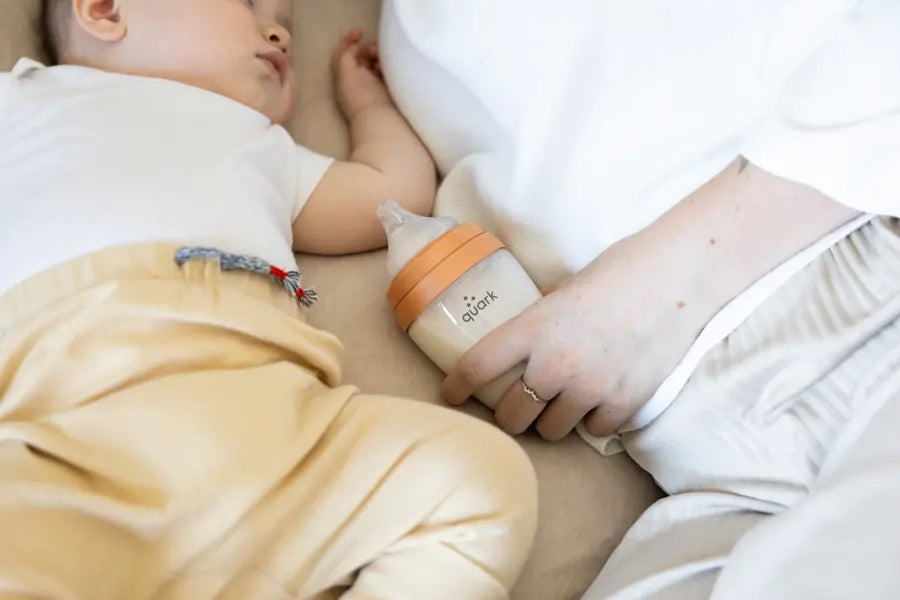
Try a different nipple or bottle. There's no single bottle that works for every baby. Some families go through several before finding one that clicks. If you’re looking for nipples that switch seamlessly between breast and bottle, check out our RealFeel Nipples - with 95% of babies accepting the nipple on the first try, based on independent lab results.
Milk temperature or flavour
Some babies have a very clear preference for the temperature of their milk, while others seem to not mind either way. If you've been offering bottles at room temperature and baby is resisting, it may be worth gently warming the milk and seeing whether that helps.
Taste can also be a factor. If your family uses formula, they may be picky about the taste and it might be a good idea to experiment with different types, with the help of your family doctor.
For parents using expressed breast milk, a naturally occurring enzyme called lipase can break down the fat in milk more quickly than usual once it's been refrigerated or frozen. The result is milk with a slightly soapy or metallic flavour that some babies find off-putting.
If you notice this, one option is to scald the milk (heating it gently until small bubbles appear around the edges, then cooling it quickly) before storing, which can slow the process.
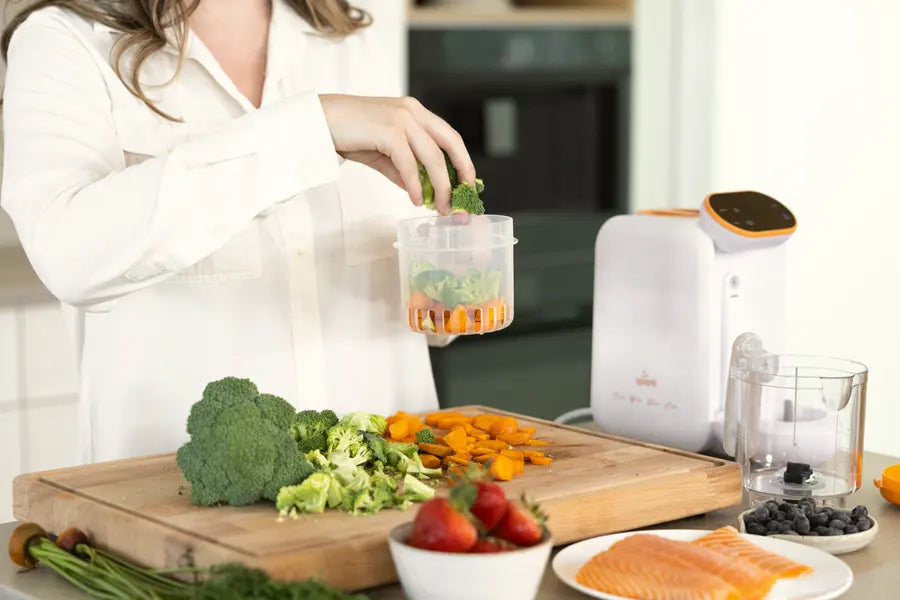
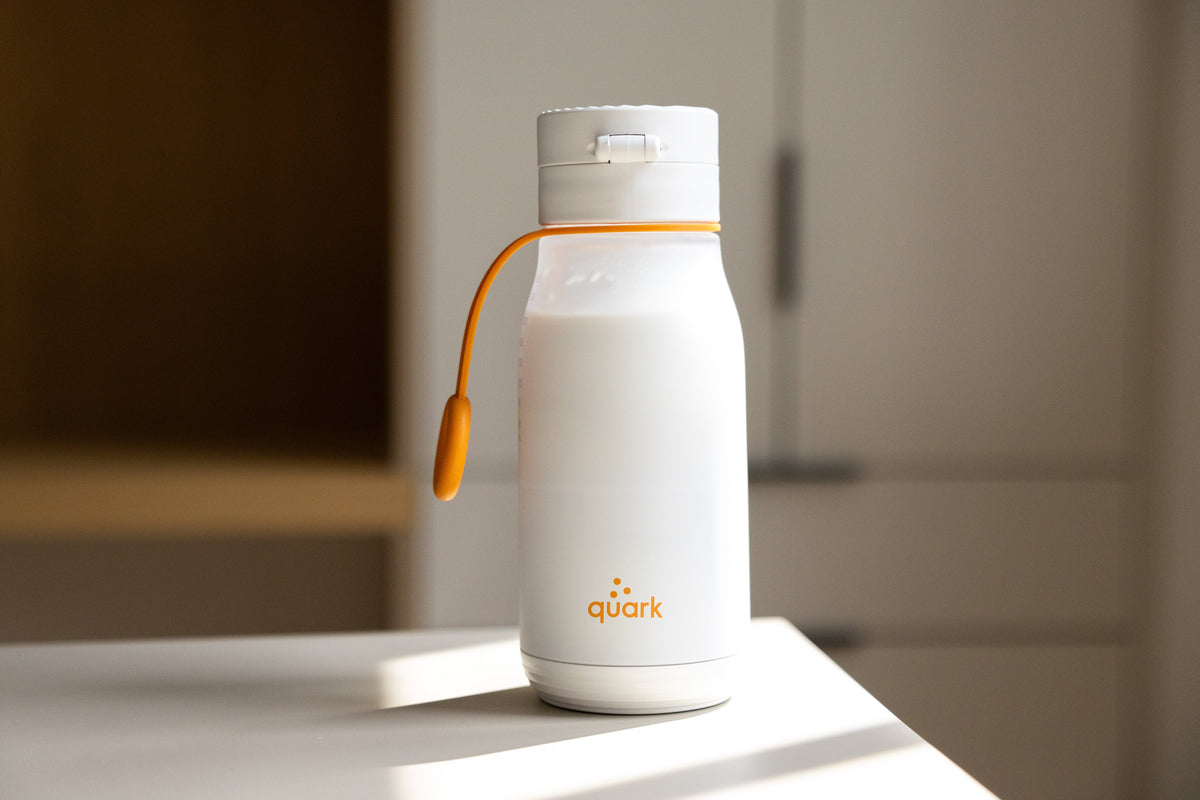
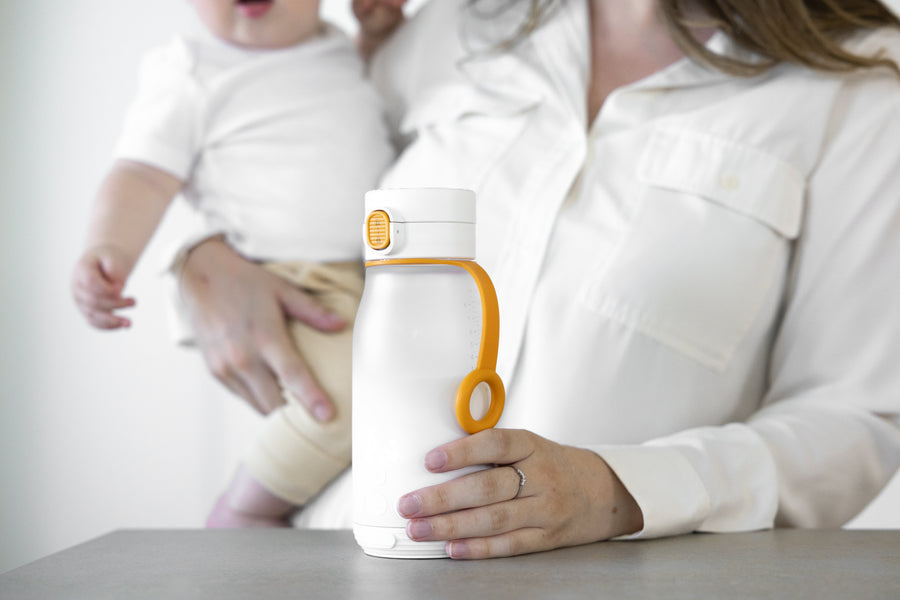
Warming milk doesn’t have to be so labour intensive - that’s why we created the BuubiBottle Milk Warmer - so that you can heat up your baby’s milk to the exact temperature they like, no matter where you are. Just press, pour and serve warm bottles in under five minutes.
Timing
Perhaps your little one just isn't hungry right now. Offering a bottle before the meltdown starts, ie when showing early feeding cues such as rooting or stirring — tends to go much smoother than waiting until they're fully distressed.
It's worth noticing whether there are particular times of day when your baby is more receptive to feeding, and aligning those feeding times based on their schedule.
Discomfort during feeding
Conditions like reflux (where stomach acid comes back up into the oesophagus, causing a burning sensation) can make feeding feel unpleasant.
Teething can make the gums sensitive and the pressure of sucking uncomfortable. A stuffy nose can make coordinating breathing and swallowing difficult.
If baby was previously accepting bottles and has recently started refusing them, discomfort from these new milestones like teething may be part of the picture.
Illness or infection
Sudden bottle refusal in a baby who was previously feeding well can sometimes be the body's way of responding to feeling unwell.
Oral infections, like thrush, can cause soreness in the mouth.
If your baby has other signs of illness — a fever, unusual fussiness, or seems to be in pain, talk to your family doctor about next steps.

When to Reach Out for Support
Most bottle refusal resolves with time and a bit of trial and error. That said, there are situations where it makes sense to connect with a professional sooner rather than later:
- Baby is taking significantly less milk than usual across a full day
- There are fewer wet nappies than expected (generally fewer than 4 to 6 per day in young infants)
- Baby seems to be in pain during or after feeding
- You've tried a range of approaches over a week or two without any progress
- You're returning to work soon and the situation feels urgent
Your baby's doctor is always a good first call. If feeding difficulties seem to involve discomfort, coordination challenges, or sensory sensitivities, a referral to a lactation consultant, occupational therapist, or speech-language pathologist with expertise in infant feeding can be genuinely helpful.
This article is for general information and is not medical advice. Always consult your pediatrician about your baby’s health.
Medically reviewed by Dr. Yang Last reviewed August 6, 2026.



Leave a comment
All comments are moderated before being published.
This site is protected by hCaptcha and the hCaptcha Privacy Policy and Terms of Service apply.