


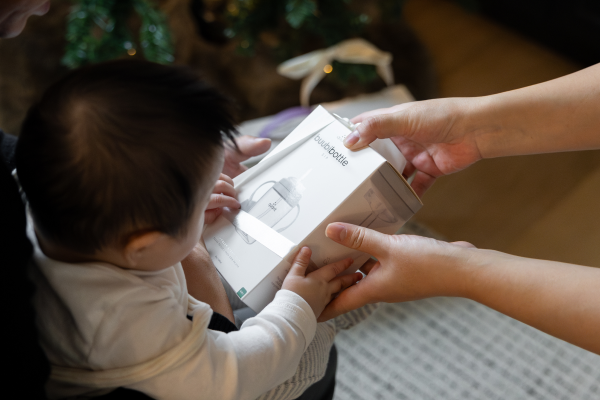

Nipple Confusion and Bottle Preference: How to Balance Breastfeeding and Bottle-Feeding
Reviewed for accuracy against AAP, the CDC, and the WHO. This guide is general information for parents, not medical advice. Every baby and every breastfeeding journey is different, so please bring specific concerns to your pediatrician or a lactation consultant.
Medically reviewed by Dr. Yang · June 12, 2026.
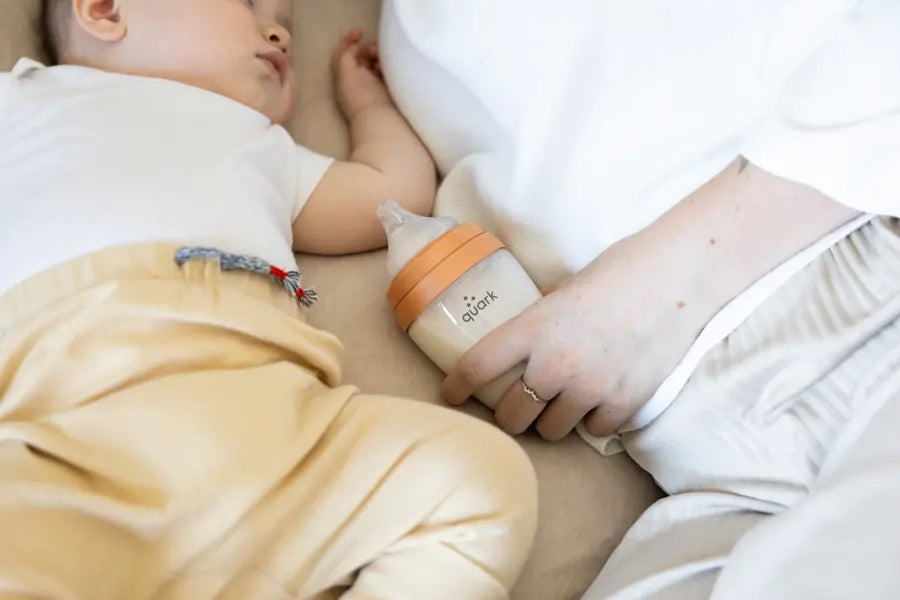
Short answer: Most breastfed babies can learn to take a bottle and go back to the breast without lasting trouble. The two things that help most are timing — waiting until breastfeeding and your milk supply feel established, often around 3 to 4 weeks unless your care team advises otherwise — and how the bottle is given. Using a slow-flow, wide-based nipple together with paced bottle feeding lets your baby suck, pause, and swallow much the way they do at the breast, which is the single best way to lower the odds of a strong bottle preference. If your baby starts refusing the breast or your supply feels like it’s dropping, reach out to a lactation consultant or your pediatrician early.
What people mean by “nipple confusion” and “bottle preference”
“Nipple confusion” is the everyday term for the difficulty some babies have switching between the breast and a bottle. La Leche League notes that the term itself is debated — many lactation experts prefer “bottle preference,” because the issue usually isn’t that the baby is confused, but that a bottle can deliver milk faster and more constantly than the breast, and some babies come to prefer that easier flow.
Parents often describe a mix of these signs:
- Trouble latching, or a shallow latch, especially right after a bottle
- Fussing, arching, or pulling off at the breast
- Clicking or chewing sounds while nursing
- Very short or frustrated nursing sessions
- Nipple pain or damage for the breastfeeding parent
These signs can have many causes — latch, positioning, flow, tongue mobility, or simply a fussy day — so they’re a reason to check in with a lactation consultant or your pediatrician, not a diagnosis on their own.
When to introduce a bottle to a breastfed baby
The common guidance from La Leche League is to wait, when you reasonably can, until your baby is at least 3 to 4 weeks old and breastfeeding is going well. The idea is that early, frequent nursing helps your baby get skilled at the breast and helps your milk supply settle to your baby’s needs. The American Academy of Pediatrics offers a gentle way to start: have someone other than the breastfeeding parent offer a small amount — about half an ounce of expressed milk — an hour or two after a feed, somewhere other than the usual nursing spot, when your baby is calm and curious rather than very hungry.
That said, timing is personal. Some families need to introduce a bottle sooner — for a return to work, a medical reason, or feeding challenges — and that’s okay. If you need to start earlier than feels ideal, a lactation consultant can help you do it in a way that protects breastfeeding. A good first bottle is often one designed to feel familiar at the breast, like a soft, wide-based BuubiBottle Mini paired with a slow-flow nipple.

Choosing a bottle and nipple that support breastfeeding
You can’t fully replicate the breast, but a few nipple features make the switch smoother and lower the odds of bottle preference:
- Slow flow first. No matter your baby’s age, start with the slowest / newborn-size nipple so the bottle doesn’t flow faster than the breast. You can move up only if your baby clearly needs more.
- Wide, soft, breast-like base. A wide base encourages a wide, deep latch similar to nursing.
- A simple flow check. Hold the bottle upside down; with a slow-flow nipple, milk should drip slowly — roughly a drop per second — rather than streaming.
QB’s feeding system is built around this idea: the BuubiBottle uses a soft, wide silicone shape, and the RealFeel nipples come in graduated flows so you can begin slow and only step up when your baby is ready. If you’d rather browse the full range, the QB feeding collection keeps bottles and nipples together.
A quick look at QB bottles for a breastfed baby
| Bottle | Best for | Nipple flow | Why it suits breastfeeding |
|---|---|---|---|
| BuubiBottle Mini | Newborns & first bottles | Start slow flow | Smaller volume suits the small, frequent feeds of early bottle introduction |
| BuubiBottle Sip | Older babies transitioning to sips | n/a (sip) | Supports the move toward open-cup / sip drinking later on |
| RealFeel Nipples | Any BuubiBottle user | Slow → Flex | Graduated flows let you stay slow and only advance when needed |
How to do paced bottle feeding
Paced bottle feeding is the technique lactation experts and public-health programs recommend most for breastfed babies, because it lets your baby control the pace much as they do at the breast. The general steps:
- Hold your baby fairly upright and well supported, not lying flat.
- Keep the bottle close to horizontal so the nipple is only about half full of milk.
- Touch the nipple to your baby’s lips and let them draw it in, rather than pushing it in.
- Pause every so often — tip the bottle down or take a short break — to let your baby breathe and decide whether to keep going.
- Watch for fullness cues (turning away, slowing, relaxing hands) and stop when your baby is done, rather than encouraging them to finish the bottle.
Aim for the feed to take roughly as long as a nursing session, often around 15 to 30 minutes. Gulping, wide eyes, milk leaking from the corners of the mouth, or choking are signs the flow is too fast — slow down or tip the bottle down. A warmer like the QUOOK warmer & sterilizer can bring expressed milk to body temperature gently, which some babies accept more readily.

How to protect your milk supply while bottle feeding
This is the part that worries parents most, and the principle is simple: milk supply responds to how often milk is removed. The Canadian Paediatric Society and La Leche League both note that combining bottle and breast works best when you keep breastfeeding frequent — or express milk — so your body keeps getting the signal to make milk.
- Keep nursing or pumping in step with the bottles. If a bottle replaces a feed (for example while you’re at work), expressing around that time helps protect supply.
- Offer the breast first when you’re together, before topping up with a bottle if needed.
- Use paced feeding and slow-flow nipples so your baby doesn’t learn to expect a faster bottle flow.
- Watch your baby, not the bottle. Following hunger and fullness cues (responsive feeding) keeps intake matched to need.
If your supply feels like it’s genuinely dropping, that’s a good moment to loop in a lactation consultant or your pediatrician rather than waiting it out.
If your baby starts preferring the bottle
If your baby is fussing at the breast and seems to want the bottle, La Leche League notes this can often be turned around — it tends to be a preference, not a permanent change. Gentle approaches parents and lactation consultants use include:
- Offering the breast more often, including when your baby is sleepy and relaxed
- Hand-expressing or pumping for a minute before latching so milk flows quickly at first
- Plenty of skin-to-skin contact and calm, low-pressure nursing attempts
- Temporarily reducing bottles (where feasible) and always using paced feeding for the bottles you do give
If breast refusal is persistent or your baby seems unsettled at feeds, please get hands-on help from a lactation consultant or your pediatrician — they can check latch, flow, and feeding in person.
If your baby refuses the bottle
The opposite challenge — a breastfed baby who won’t take a bottle — is common, especially around a return to work. Things parents try include having someone other than the breastfeeding parent offer it, trying a different setting or position, warming the milk and the nipple, experimenting with a different nipple shape or flow, and offering when the baby is calm rather than ravenous. If your baby keeps refusing and you’re worried about intake before a separation, a lactation consultant can help you make a plan.
Combining breast and bottle for the long term
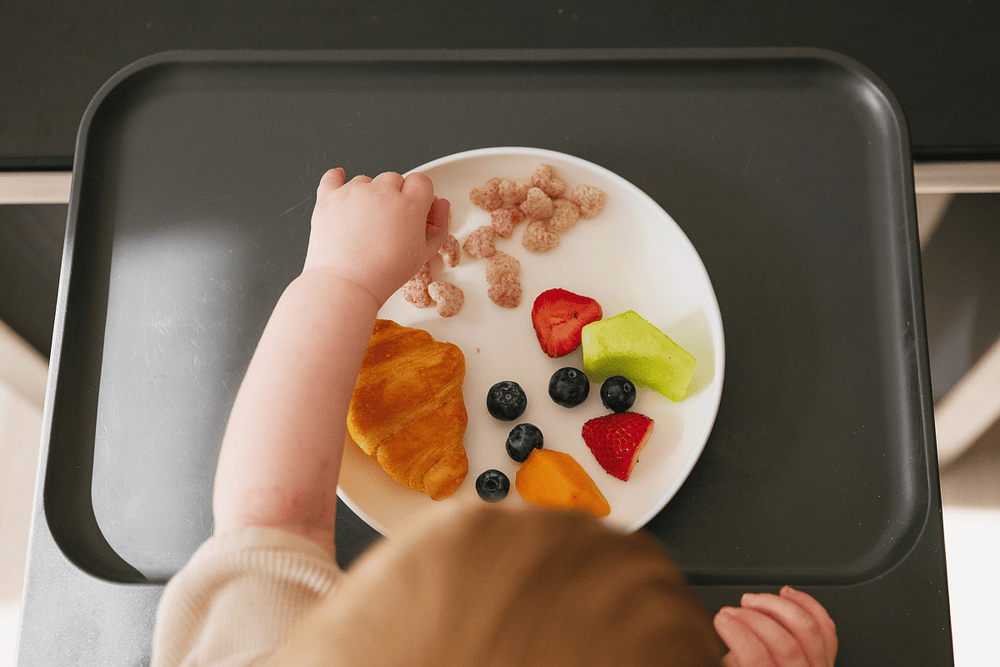
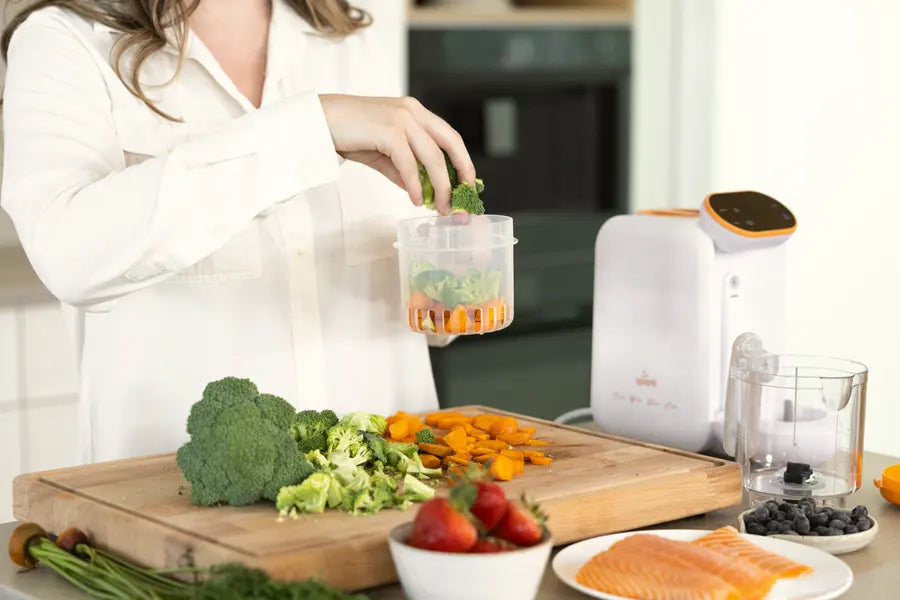
Plenty of families happily mix breastfeeding and bottle-feeding for months. The WHO and CDC recommend breastfeeding, with appropriate complementary foods after about six months, well into the second year and beyond as it works for you — and combination feeding is a valid way to keep breastfeeding in the picture. Keep supply steady by nursing or expressing on a rhythm that works for your family, stay with paced feeding, and adjust nipple flow only as your baby genuinely needs it. As solids begin, tools like the Feedi silicone dining set can make the next stage easier — and our guide on how to start making homemade baby food walks through that transition.

Frequently asked questions
Is nipple confusion real?
The everyday term is debated. Many lactation experts, including La Leche League, prefer “bottle preference” because the issue is usually that a bottle delivers milk faster and more constantly than the breast, and some babies come to prefer that. Whatever you call it, the practical steps — slow-flow nipples and paced feeding — are the same. If your baby is struggling at the breast, a lactation consultant can help pinpoint the cause.
When should I introduce a bottle to a breastfed baby?
La Leche League commonly suggests waiting, when you can, until breastfeeding is well established — often around 3 to 4 weeks — so nursing and your supply have time to settle. If you need to start sooner for work or a medical reason, that’s fine; a lactation consultant can help you do it in a way that protects breastfeeding.
What nipple flow should I start with?
Start with the slowest / newborn-size flow, regardless of your baby’s age, so the bottle doesn’t flow faster than the breast. To check, hold the bottle upside down: milk should drip slowly, around a drop per second, not stream out. Move up a flow level only if your baby clearly needs more.
What is paced bottle feeding and why does it matter?
Paced bottle feeding holds the bottle near horizontal with the nipple only half full and includes regular pauses, so your baby controls the pace much like at the breast. It’s the most widely recommended technique for breastfed babies because it lowers the chance of a faster-flow bottle preference and reduces overfeeding.
How do I protect my milk supply while giving bottles?
Milk supply responds to how often milk is removed, so keep breastfeeding frequent or express milk around the times a bottle replaces a feed. Offer the breast first when you’re together, use paced feeding and slow-flow nipples, and follow your baby’s hunger and fullness cues. If supply seems to be dropping, check in with a lactation consultant or your pediatrician.
My baby now refuses the breast — can I fix it?
Often, yes — bottle preference can usually be turned around. Offer the breast more often (including when baby is sleepy), hand-express for a minute first so milk flows quickly, use lots of skin-to-skin, and keep any bottles paced. If breast refusal persists, please get in-person help from a lactation consultant or your pediatrician.
My baby refuses the bottle — what can I try?
Have someone other than the breastfeeding parent offer it, change the setting or position, warm the milk and nipple, try a different nipple shape or flow, and offer when your baby is calm rather than very hungry. If refusal continues and you’re worried about intake before a separation, a lactation consultant can help you build a plan.
When should I call a lactation consultant or pediatrician?
Reach out early if your baby is consistently refusing the breast or bottle, if you’re worried about your milk supply, if feeds are painful, or if you have any concern about your baby’s weight gain, wet diapers, or wellbeing. Early support usually makes these situations easier to resolve.
Sources: American Academy of Pediatrics – Introducing the Bottle; La Leche League International – Bottles; La Leche League GB – “Nipple Confusion”; Canadian Paediatric Society – Breastfeeding; CDC – Bottle Feeding.





Leave a comment
All comments are moderated before being published.
This site is protected by hCaptcha and the hCaptcha Privacy Policy and Terms of Service apply.