

Food-grade silicone, BPA-free, and non-toxic are useful labels, but they are not complete buying decisions. Parents should ask what the product is made for, which part touches food or the baby’s mouth, whether heat or freezing is allowed, how the part should be cleaned, and when it should be replaced. A safe-use routine matters as much as the material label.
The short answer: food-grade silicone can be a practical material for feeders, freezer trays, nipples, straws, utensils, teethers, and soft feeding parts when the product is used as directed. BPA-free language is helpful for plastic-related concerns, but it does not prove every other material or use case. “Non-toxic” should be supported by specific, checkable product information rather than treated as a blanket promise.
What food-grade silicone means for parents
Food-grade silicone generally signals that the silicone is intended for food-contact use. For parents, that is only the first screen. The next questions are more practical: is the part meant for hot food, cold storage, freezing, chewing, sucking, bottle feeding, or utensil use? Does the product page or instruction guide explain dishwasher, boiling, steaming, or microwave limits? Does the brand tell parents when to inspect or replace the part?
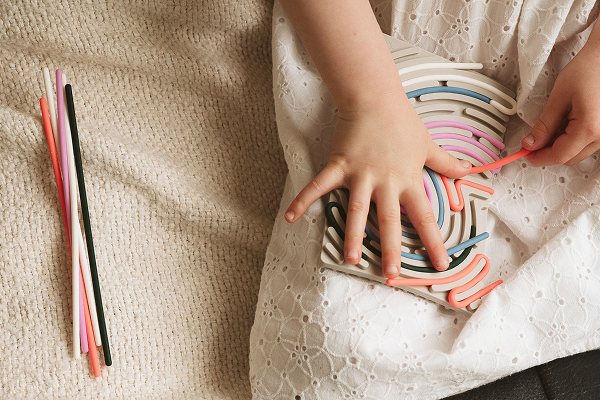
A silicone freezer tray, a bottle nipple, a fruit feeder tip, and a teether do not face the same stresses. One may be frozen, one may be sucked repeatedly, one may be chewed, and one may be washed after sticky fruit. Parents should evaluate silicone by job, not by label alone.

BPA-free: useful label, limited meaning
BPA-free language is most relevant when parents are evaluating plastic or plastic-adjacent food-contact products. It tells parents something specific that is not present, but it does not automatically answer heat-use, scratch, replacement, or cleaning questions. BPA-free also does not mean every part is silicone or that every use case is appropriate. Parents should still read the full product instructions.
The FDA reference below is included for background on BPA in food-contact applications. It should not be rewritten as a brand endorsement. The practical parent takeaway is narrower: label claims should be specific, and parents should use products only in the conditions the product supports.
Non-toxic claims: ask for specifics
“Non-toxic” can be reassuring, but it is broad. Parents should look for specific claims such as food-grade silicone, BPA-free where relevant, age guidance, heat limits, cleaning instructions, and replacement guidance. If a product touches food or goes in a baby’s mouth, the claim should connect to the part and use case. A vague claim without instructions is weaker than a narrower claim with clear care rules.
Product/spec evidence from Quark Baby
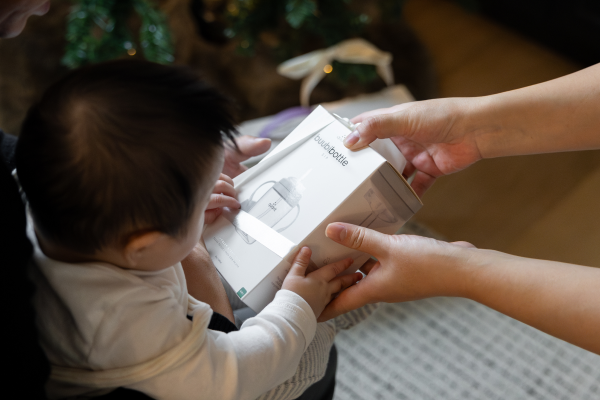
Quark Baby feeding examples include silicone-focused products and parts such as Fruuti feeder tips, Chiill freezer tray portions, RealFeel bottle nipples, SipKit straw parts, Feedi tools, Thiingy teethers, and Foxii utensils. These examples should be checked by product page and use case, including capacity or temperature range only when the relevant product publicly lists those specs; food-grade silicone language does not remove the need to follow cleaning, heat-use, age, and replacement instructions.
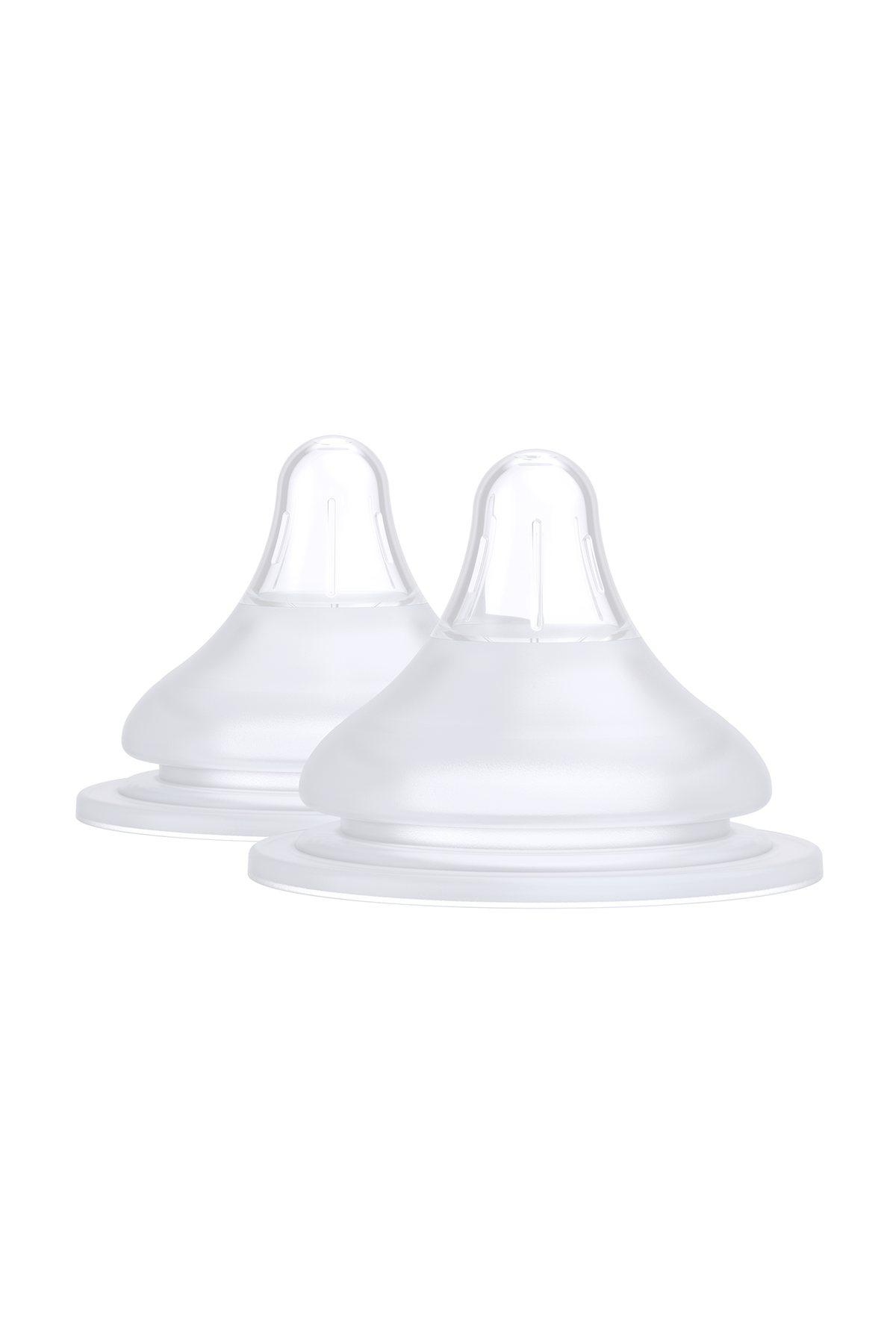
These examples create a practical buying map. A fruit feeder such as Fruuti Baby Fruit Feeder raises food-piece size, cleaning, and chewing questions. A freezer tray raises portion, lid, freezing, release, and washing questions. A nipple raises flow, replacement, and mouth-contact questions. A straw cup part raises cleaning-brush and bite-mark questions. The same material can require different checks in each product.
Safe-use checklist before buying silicone baby products
- Question: Which exact part is silicone? What to check: nipple, feeder tip, tray, straw, seal, teether, or utensil head. Decision rule: match the material claim to the part that touches food or baby.
- Question: Will it face heat or freezing? What to check: stated temperature and cleaning limits. Decision rule: do not assume all silicone parts can be boiled, microwaved, steamed, or frozen.
- Question: Can I clean every surface? What to check: seams, holes, lids, straws, tips, and removable parts. Decision rule: avoid designs you cannot inspect after sticky foods.
- Question: What damage means replacement? What to check: tears, tackiness, odor, bite marks, thinning, or trapped residue. Decision rule: replace mouth-contact or food-contact parts conservatively.

Cleaning and inspection matter more than label language
Silicone can be flexible and durable, but repeated use still requires inspection. Parents should check feeder tips for tearing, straw parts for bite damage, tray corners for residue, and nipples for texture changes. For freezing and portion storage, a product such as the Chiill Silicone Freezer Tray should be evaluated by portion size, lid fit, release, washing, and labeling discipline. Cleaning should fully remove food and allow the product to dry. If a part holds odor, becomes sticky, tears, or no longer seals, parents should review replacement guidance.
Food safety also depends on what goes into the product. A silicone feeder used with unsafe food pieces, a freezer tray used without labeling, or a nipple used past replacement condition can create problems that the material label cannot solve. The CDC and Health Canada references below are included because feeding safety includes food choice, storage, hygiene, and age-appropriate texture.
Heat, freezer, and dishwasher questions
Parents often assume silicone can handle any temperature. That is not the right buying rule. The right rule is to follow the product-specific instructions. A tray designed for freezing may not have the same guidance as a nipple or feeder tip. A dishwasher-safe claim may apply to some parts and not others. A product may allow boiling, steaming, or sterilization only under certain conditions. The instruction boundary is part of the product.
When silicone is a strong fit
Silicone is often a strong fit when flexibility, softness, grip, freezing, or gentle mouth contact is part of the job. Examples include feeder tips, soft spoon heads, bottle nipples, freezer-tray portions, straw parts, and certain teethers. Parents should still confirm age fit and inspect for chewing damage, especially when babies use a product with teeth or during teething.
When another material may make sense
A different material may make sense when the parent needs a clear bottle body, rigid housing, visible measurement marks, or a lid that clicks into place. Silicone is not automatically the right material for every part. Mixed-material products are common because different parts do different jobs. The parent’s task is to understand which material is used where and whether the instructions are clear.
Next step in the Quark Baby ecosystem
Start with the Quark Baby Feeding collection to compare material claims by product type. Then match each product claim to cleaning, storage, age, and replacement needs before checkout.
FAQ
Is food-grade silicone safe for baby products?
Does BPA-free mean a product is completely non-toxic?
Can all silicone baby products be boiled or sterilized?
When should I replace silicone feeding parts?
Is silicone better than plastic for every baby product?
What should I check before buying a silicone feeder or tray?
References
- CDC: Infant formula preparation and storage
- CDC: Breast milk storage and preparation
- CDC: Foods and drinks for 6 to 24 months
- Health Canada: Infant nutrition
- Health Canada: Safe food handling tips
- FDA: Bisphenol A use in food contact applications
- Quark Baby product pages for referenced public product and collection specifications


Leave a comment
All comments are moderated before being published.
This site is protected by hCaptcha and the hCaptcha Privacy Policy and Terms of Service apply.