



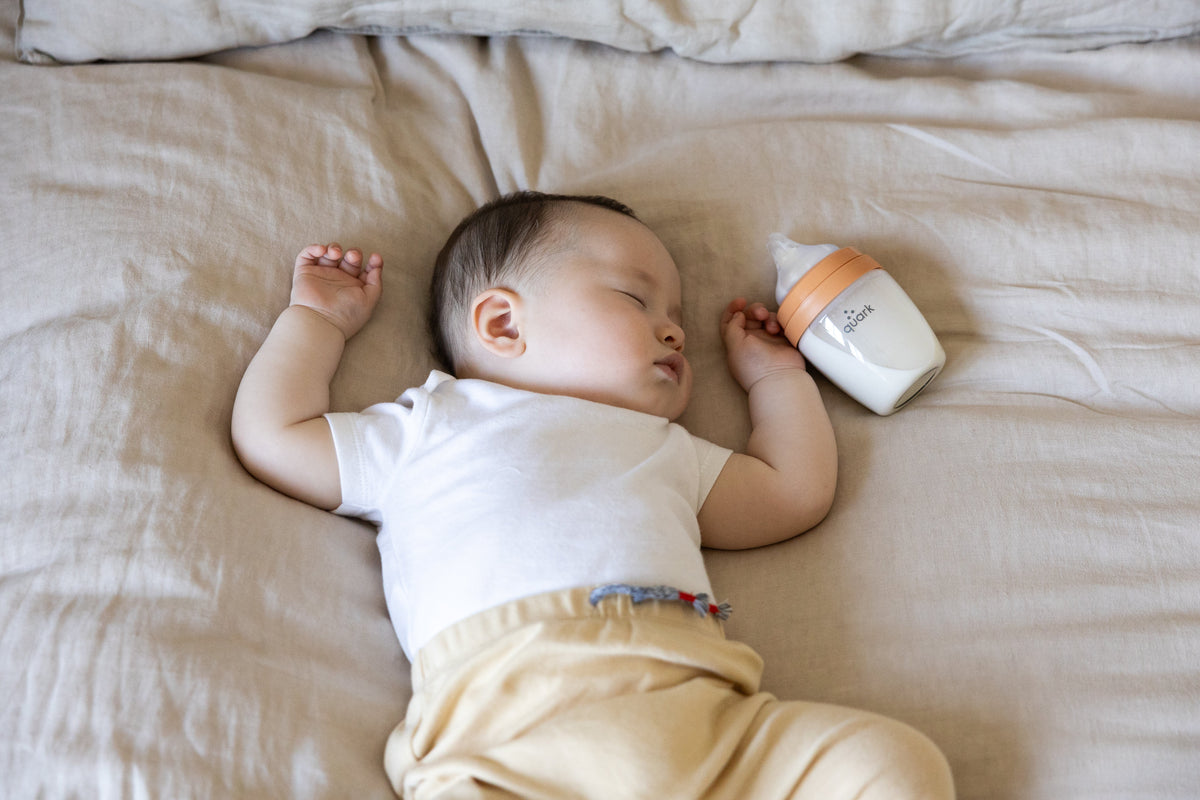
Pacifiers and Breastfeeding: What Parents Need to Know
Pacifiers have long been a go-to solution for soothing crying babies and providing relief to tired parents. However, recent research reveals important insights about pacifier use and breastfeeding that every parent should know. While pacifiers can offer benefits, including pain reduction and SIDS risk reduction, timing and proper use are crucial for breastfeeding success. Understanding how pacifiers affect breastfed babies, when to introduce them, and how to use them safely can help you make the best choice for your family's feeding journey.
Pacifiers and Breastfeeding Duration
Research shows that pacifier use during the newborn period can impact your breastfeeding experience. When babies use pacifiers frequently in their early weeks, they may breastfeed less often, which can lead to several challenges:
- Reduced milk supply due to less frequent nursing sessions
- Slower weight gain in your baby
- Early weaning from breastfeeding
- Improper sucking technique at the breast
The earlier you introduce a pacifier and the more frequently your baby uses it, the higher the likelihood of experiencing these difficulties. This is why timing matters significantly when deciding to offer a pacifier to your breastfed baby.
Pacifiers and SIDS Prevention
One of the most significant benefits of pacifier use relates to Sudden Infant Death Syndrome (SIDS) prevention. The American Academy of Pediatrics recommends offering a pacifier at sleep time, as studies have shown an association between pacifier use and reduced SIDS incidence.
Important timing recommendations:
- Wait until breastfeeding is well established—typically around 3 to 4 weeks of age—before introducing a pacifier at sleep time
- The highest SIDS risk occurs during the 2nd and 3rd months of life, making pacifier use particularly important during this period
- If the pacifier falls out once your baby is asleep, there's no need to replace it
This approach helps balance SIDS protection with successful breastfeeding establishment.
Pacifiers for Pain Relief
Sucking naturally helps babies manage pain during medical procedures. Whether through breastfeeding, sucking on a parent's finger, or using a pacifier, this comfort measure can be valuable during doctor visits or minor discomforts. Pacifiers can serve as an effective tool in these specific situations.
Choosing the Right Pacifier
If you decide to use a pacifier, safety and quality matter. Here's what to look for:
Safety features:
- Single-piece construction to prevent choking hazards from breakage or small parts
- Mouth guard wider than your baby's mouth with ventilation holes
- Silicone material (helps avoid potential latex allergies)
Safe usage practices:
- Never tie a pacifier around your baby's neck, wrist, or crib
- Avoid dipping pacifiers in sugar or honey
- Clean daily with soap and water
- Discontinue use when your baby no longer needs it
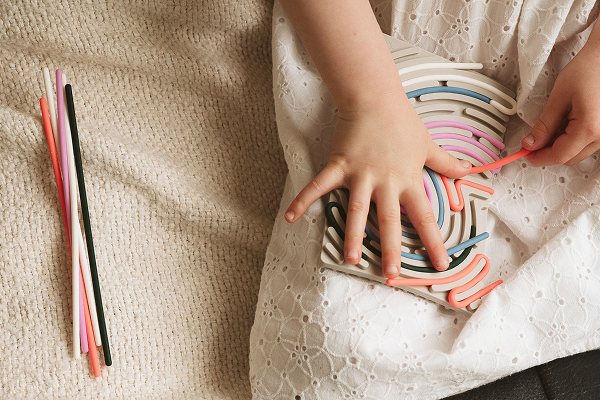
As babies grow and develop, they naturally transition to other soothing methods. The Thiingy is designed with this developmental stage in mind, providing sensory exploration and teething relief as your little one moves beyond the pacifier phase.
Making the Right Decision
Pacifiers aren't inherently problematic—it's all about timing and usage patterns. If you're breastfeeding, waiting until nursing is well established (around 3-4 weeks) before introducing a pacifier can help protect your milk supply and your baby's feeding skills. During this establishment period, focus on learning your baby's hunger cues and building your breastfeeding routine.
Once breastfeeding is going well, introducing a pacifier at sleep time can provide SIDS protection while minimizing interference with nursing. Remember, every baby and family is different. What works for one may not work for another, and that's perfectly okay.
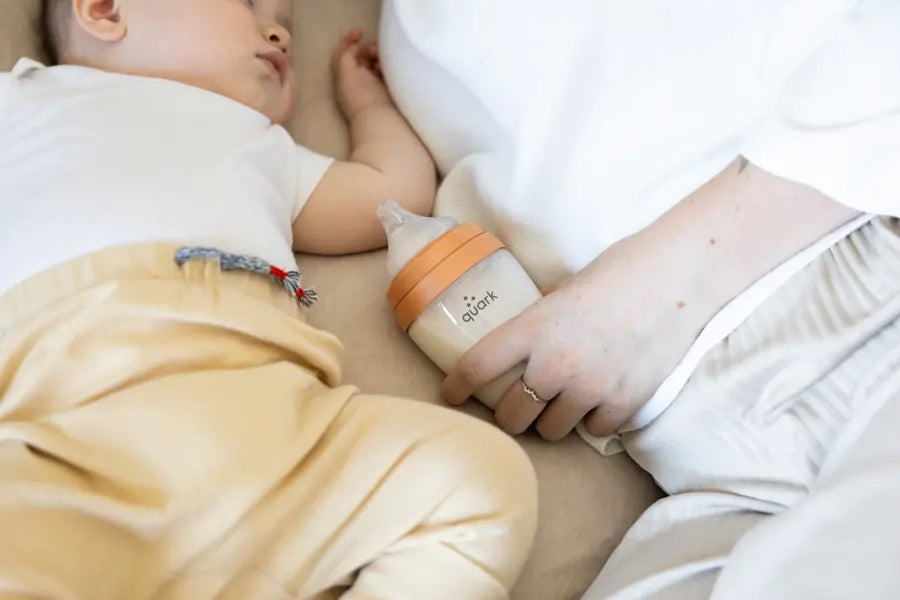
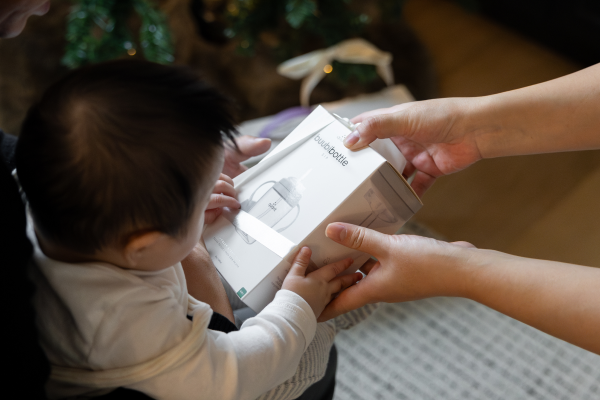
For families practicing combination feeding, choosing feeding tools that support both breast and bottle can make transitions smoother. The BuubiBottle is designed with this flexibility in mind, helping maintain your breastfeeding relationship while offering bottle-feeding options.
The bottom line: Pacifiers can be a helpful tool when used thoughtfully. By understanding both the benefits and potential challenges, you can make an informed decision that supports your breastfeeding goals and keeps your baby safe.
Sources
- American Academy of Pediatrics — How to Keep Your Sleeping Baby Safe: AAP Policy Explained (2022 policy statement): “Try giving your baby a pacifier at nap time and bedtime. This helps reduce the risk of SIDS, even if the pacifier falls out after your baby is asleep.”
- American Academy of Pediatrics — Baby Pacifiers & Thumb Sucking: What Parents Need to Know: “If you are breastfeeding, wait until breastfeeding is going well before offering a pacifier. This usually takes about 3 to 4 weeks.”
This information is intended for general educational purposes only and is not a substitute for professional medical advice. Always consult your healthcare provider with questions about your baby's health and feeding.
Medically reviewed by Dr. Yang Last reviewed August 6, 2026.


Leave a comment
All comments are moderated before being published.
This site is protected by hCaptcha and the hCaptcha Privacy Policy and Terms of Service apply.