


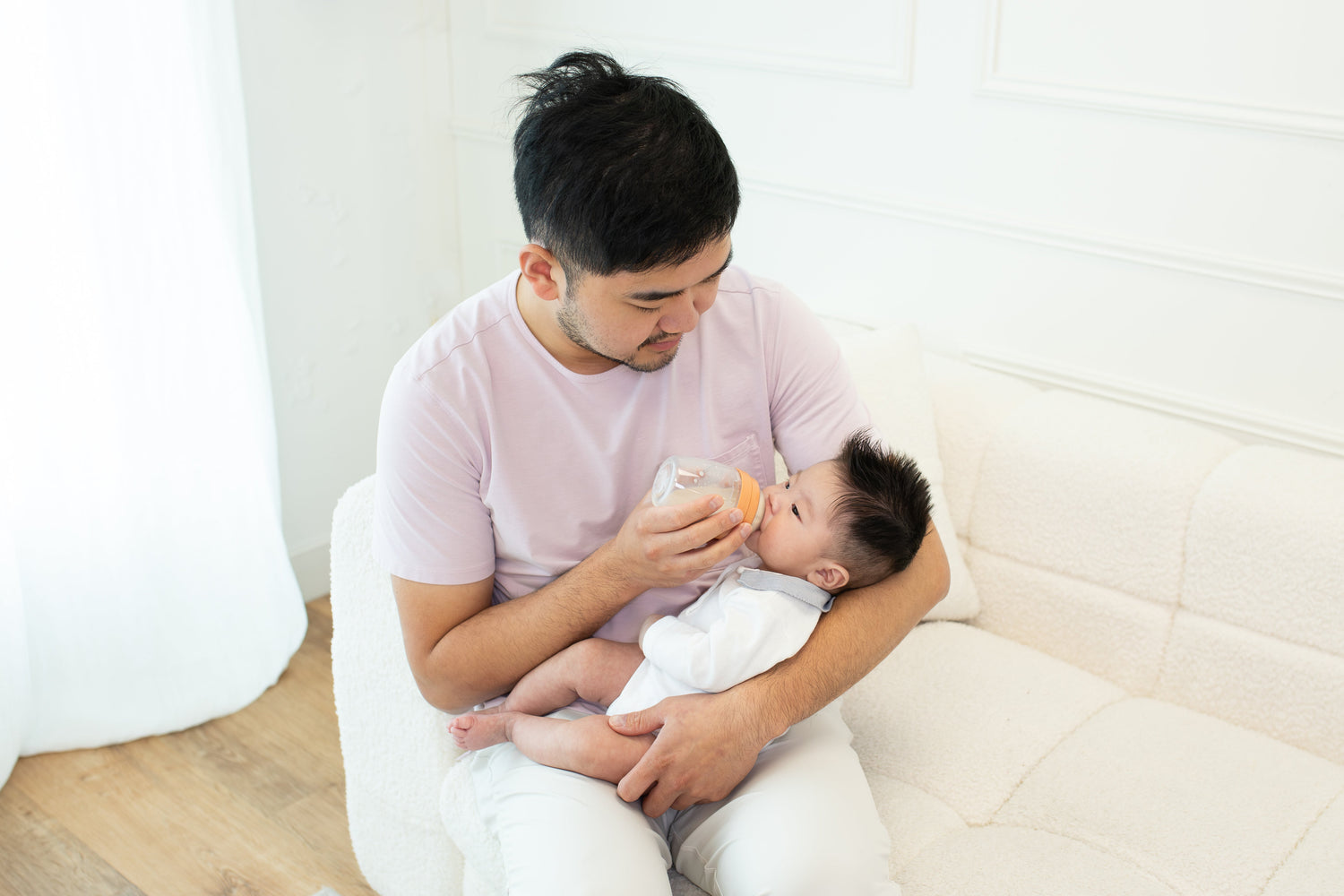
10 Fun Outdoor Activities to Do With Your Baby This Summer
Reviewed for sun, heat, and water safety against AAP, FDA, and Health Canada guidance.
Summer is one of the easiest seasons to get outside with your baby, and fresh air supports their sensory development, lifts your mood, and strengthens your bond. The ten activities below range from quiet stroller walks to library storytime and gentle water play, so you can match the day to your baby’s mood and wake window. Before you head out, the golden rules are simple: keep babies under six months out of direct sun, stay in the shade during peak hours, watch closely for overheating, and never leave a baby unattended near water.
Before you go: summer safety basics for babies
A few authority-backed habits keep outdoor time safe and fun all season:
- Shade and sun. The American Academy of Pediatrics (AAP) and the U.S. FDA recommend keeping babies younger than 6 months out of direct sunlight; shade is the best protection. Dress your baby in lightweight long sleeves, long pants, and a wide-brim hat, and avoid peak sun roughly between 10 a.m. and 2 p.m. Health Canada advises keeping babies under 12 months out of the sun where possible.
- Sunscreen under 6 months. For babies under six months, rely on shade and clothing first. The FDA notes infant skin is thinner and more easily irritated, so use sunscreen only on small exposed areas (like the face and backs of hands) when shade and clothing aren’t available — a minimal amount of broad-spectrum, water-resistant SPF 30+. In Canada, check with your health-care provider before applying sunscreen to a baby under six months.
- Heat and hydration. Babies overheat faster than adults. The AAP suggests avoiding long stretches outdoors when the heat index is above 90°F (about 32°C). Babies under six months get all the hydration they need from breast milk or formula — they should not be given plain water; in hot weather they may simply want to feed more often.
- Water and supervision. Whenever your baby is in or around water, keep an adult within arm’s reach at all times (“touch supervision”), even during lessons.
- Watch for overstimulation and overheating. Rubbing eyes, yawning, arching the back, fussing, flushed skin, or unusual drowsiness are cues to take a break, move to the shade, cool down, and head home if needed.
The 10 activities
1. Baby swimming and gentle water play
Warm-water sessions are a lovely way to bond and introduce your baby to the sensation of water. Set expectations realistically: the AAP notes there is no evidence that swim programs for babies under one year reduce drowning risk, and it recommends formal swim lessons from age one and up. For infants, treat the pool as comfort and bonding time, not “drown-proofing.” Keep an adult within arm’s reach the entire time, and choose a clean, heated pool with a shallow area.
- Look for certified infant water-familiarization classes.
- Keep sessions short and watch for shivering or fatigue.
- Maintain constant touch supervision — never step away, even for a moment.
2. Nature walks in a stroller or carrier
A tree-lined trail or botanical garden gives your baby real-time, brain-building sights, sounds, and smells. Use a carrier for closeness or a stroller for longer outings, and aim for cooler parts of the day.
- Narrate what you see — birds, leaves, colors — to support language exposure.
- Add a stroller sunshade and a wide-brim hat for shade on the move.
- Time walks for your baby’s calm, alert wake windows.
3. Picnic in the park: tactile play and fresh air
Find a shady patch of grass, lay down a blanket, and let your baby explore natural textures. A picnic is also a natural moment to feed — whether that’s a bottle, breast, or first solids. Keeping milk and snacks cool and tidy makes the whole outing easier; our Storii cooling food storage containers are built to keep purees and snacks fresh on the go, and the Feedi silicone dining set turns a blanket into a no-fuss feeding station for babies who’ve started solids.
- Use the blanket for shaded tummy time.
- Bring safe toys, a sunhat, and a small mirror or rattle.
- Stay in the shade and reapply the shade as the sun moves.
4. Farmer’s market stroll
Markets are full of colors, aromas, and friendly faces — rich sensory and language input for a baby in a stroller or wrap. Point out fruits and vegetables and let your baby take in the bustle.
- Go early to beat the midday heat and crowds.
- Pick up soft, ripe fruit for a cool snack at home.
- For babies just starting solids, a Fruuti baby fruit feeder lets them safely taste fresh produce while you shop the rest of the stall.
5. Mommy-and-me yoga in the park
Outdoor baby yoga pairs gentle stretches for caregivers with simple movements, songs, and eye contact for your baby — supporting emotional connection and postpartum recovery. Lay your mat in the shade and bring water for yourself.
- Look for “mom & baby” sessions at studios or community centers.
- Focus on core strength, pelvic-floor recovery, and breathing.
- Schedule around a nap so your baby is rested and content.
6. Visit the zoo or petting farm
Animal encounters support visual tracking and early emotional responses. Many zoos offer stroller-friendly routes, sensory stations, and feeding/nursing rooms.
- Visit after a nap and stick to shaded paths.
- Bring earmuffs if your baby is sound-sensitive.
- Carry water for yourself and a feed for your baby.
7. Library storytime and baby rhyme sessions
Free, age-specific baby classes with music, clapping, and storytelling are a cool indoor option on hot afternoons. They build early literacy and give you a peer community.
- A great heat-index backup plan when it’s too hot outside.
- Pick a new board book each week for bedtime.
- Look for stroller parking and quiet corners for feeds.
8. Coffee breaks with baby
A baby-friendly café with shaded outdoor seating is underrated self-care. Whether your baby naps in the stroller or watches the world go by, you get a moment to recharge.
- Choose cafes near a park or shaded walking path.
- Bring a toy or pacifier.
- Use it as a quick check-in with a friend.
9. Parent-baby playgroups and meetups
Group gatherings in parks or community gardens offer connection for you and your baby. Babies observe other infants while you swap support and tips with fellow parents — a proven antidote to new-parent isolation.
- Check local community centers and parenting groups for park meetups.
- Choose shaded venues and morning or late-afternoon times.
- Pack feeds and a snack kit so you can stay relaxed and present.
10. Outdoor music or baby dance classes
Music is one of the earliest ways babies learn rhythm, language, and emotion. Outdoor baby music classes combine simple instruments, singing, and gentle movement.
- Encourages body awareness and early language.
- Create your own “music time” at the park with a small speaker.
- Keep volume gentle and sessions short.
Snacks and feeds on the go
Half the work of a summer outing is keeping feeds simple and food cool. A little prep at home goes a long way: batch and freeze purees in a Chiill silicone freezer tray, pack the day’s portions in Storii cooling containers, and bring the Feedi dining set for mess-free feeding wherever you land. If you make fresh baby food at home before you head out, the Quook baby food maker, bottle warmer and sterilizer steams and blends in one step so the morning prep is fast. You can see the full range on our feeding collection.
Keeping balance: stimulate without overwhelming
Outdoor activities are powerful for development, but more is not always better. Stay attuned to your baby’s cues, stick to age-appropriate awake windows, and stay flexible — some days a short, shaded walk is all your baby needs. In summer especially, end the outing early if you notice overheating signs and move to a cool spot.
Final thoughts
Bringing your baby outdoors is a valuable chance for bonding, sensory growth, and social connection — and with a few simple sun, heat, and water precautions, it’s safe and easy. Pick one or two activities that suit your family each week, pack smart, and enjoy the season together.
Frequently asked questions
Can I take my baby outside in summer, and when is the best time?
Yes. Aim for cooler parts of the day — early morning or late afternoon — and stay in the shade during peak sun, roughly 10 a.m. to 2 p.m. (UV is strongest 11 a.m.–3 p.m. per Health Canada). The AAP suggests avoiding long outdoor stretches when the heat index is above 90°F (about 32°C).
Can babies under 6 months be in the sun or wear sunscreen?
The AAP and FDA recommend keeping babies younger than 6 months out of direct sunlight, using shade and clothing as the first line of protection. For these young babies, apply sunscreen only on small exposed areas (like the face and backs of hands) when shade and clothing aren’t available, using a minimal amount of broad-spectrum, water-resistant SPF 30+. In Canada, ask your health-care provider before using sunscreen on a baby under six months.
Does my baby need water in hot weather?
Babies under six months should not be given plain water; breast milk or formula provides all the hydration they need. In hot weather your baby may simply want to feed more often and for shorter periods, which is normal. Talk to your pediatrician about water once your baby is older and eating solids.
Are swimming lessons safe for infants, and do they prevent drowning?
Infant water-familiarization classes can be a fun bonding experience, but the AAP notes there is no evidence that swim programs for babies under one year reduce drowning risk, and it recommends formal swim lessons from age one and up. No lesson can “drown-proof” a baby. Always keep an adult within arm’s reach (touch supervision) whenever your baby is in or near water.
How do I know if my baby is overstimulated or overheated outdoors?
Watch for rubbing eyes, yawning, arching the back, or fussing (overstimulation), and flushed skin, sweating, unusual drowsiness, or irritability (overheating). If you see these, move to a cool, shaded spot, offer a feed, and consider heading home.
What should I pack for a summer outing with a baby?
A wide-brim sun hat, lightweight long-sleeved clothing, a stroller sunshade or umbrella, plenty of feeds (breast milk or formula), a change kit, and cool storage for any snacks or purees. Insulated containers like the Storii cooling set help keep food fresh, and the Feedi dining set keeps feeding tidy on a blanket or stroller tray.
When can my baby start eating outdoor snacks?
Most babies start solids around six months, on your pediatrician’s guidance. Once they do, fresh fruit in a Fruuti fruit feeder and pre-portioned purees in Storii containers make outdoor snacking easy and safe. Until then, breast milk or formula covers all their needs.


Leave a comment
All comments are moderated before being published.
This site is protected by hCaptcha and the hCaptcha Privacy Policy and Terms of Service apply.