

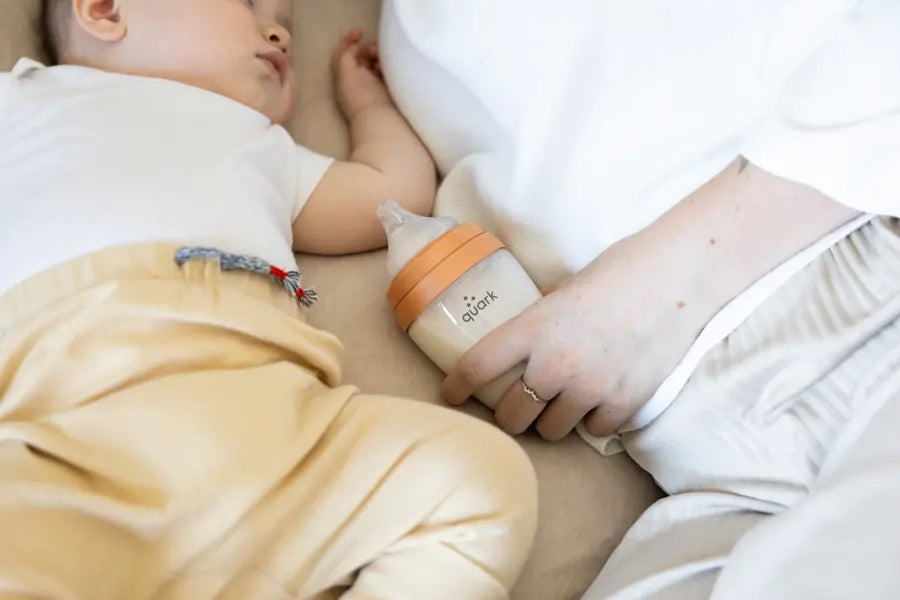
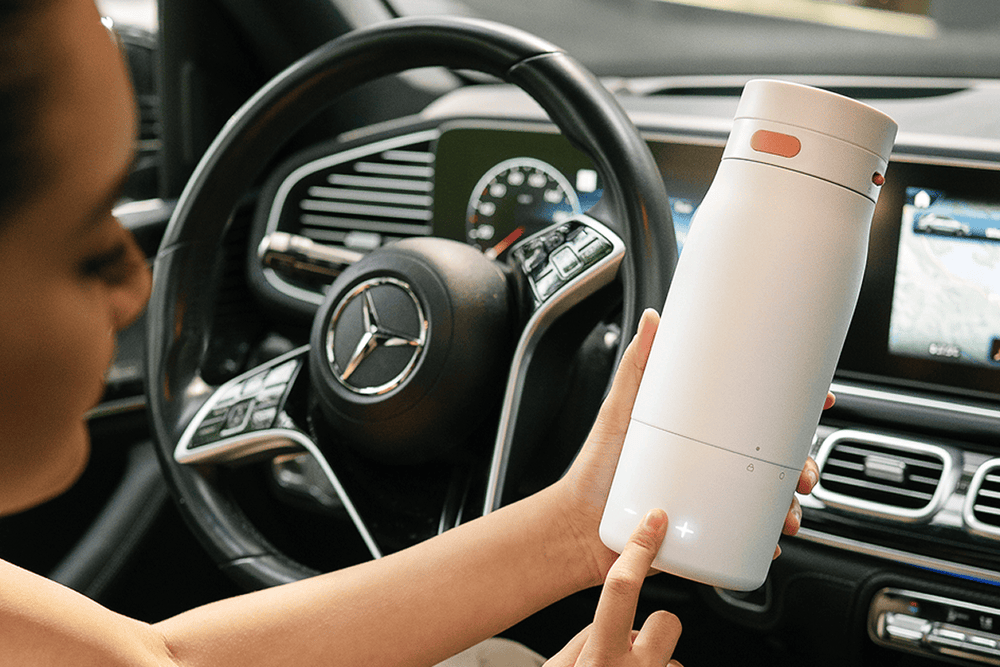
Les jours de voyage changent la routine du biberon. À la maison, vous avez peut-être un évier, un chauffe-biberon de comptoir, un réfrigérateur et une plage de boire prévisible. Lors d’un arrêt en siège d’auto, dans un salon d’aéroport, une chambre d’hôtel ou pendant une balade en poussette, les parents ont souvent besoin de quelque chose de plus petit : un moyen de rapprocher le lait maternel ou l’eau préparée de la température préférée de bébé sans partir à la chasse à l’eau chaude.
Les chauffe-biberons USB-C sont conçus pour combler ce vide. Ce sont des systèmes de réchauffement portatifs et rechargeables qui utilisent une base chauffante alimentée par batterie et un biberon ou un contenant compatible pour réchauffer un liquide loin de la cuisine. Le meilleur choix n’est pas simplement l’option la plus chaude. Pour le voyage, les parents ont intérêt à regarder la capacité, la plage de température, la conception de la batterie, la lisibilité de l’affichage, les besoins de nettoyage, la durabilité des matériaux et la façon dont le chauffe-biberon s’intègre aux directives officielles sur le lait maternel, la préparation pour nourrissons et le transport aérien.
Ce qu’un chauffe-biberon USB-C fait réellement
Un chauffe-biberon USB-C fonctionne sur batterie rechargeable plutôt que sur une prise murale pendant l’utilisation. Une fois chargé, il peut réchauffer du lait ou de l’eau au moyen d’un élément chauffant contrôlé, généralement avec un réglage et un affichage numériques de la température. La recharge USB Type-C compte parce qu’elle est largement répandue sur les chargeurs de voyage, les adaptateurs et les batteries portatives modernes : les parents peuvent donc réduire le nombre de câbles emportés.
Cette commodité a des limites. Un chauffe-biberon portatif n’est ni un réfrigérateur, ni un stérilisateur, ni un substitut aux consignes de manipulation du lait et de la préparation pour nourrissons. Les directives des CDC sur le lait maternel insistent sur des températures d’entreposage sécuritaires, des contenants propres et l’évitement du micro-ondes, parce qu’un chauffage inégal peut créer des points brûlants. Les directives des CDC sur la préparation pour nourrissons portent de la même façon sur des surfaces de préparation propres, des biberons désinfectés pour les jeunes nourrissons, un mélange correct, un entreposage sécuritaire et la vérification de la température avant le boire. Un chauffe-biberon de voyage s’insère dans ces étapes, il ne les remplace pas.

La liste de vérification avant de partir
1. Vérifiez la plage de température
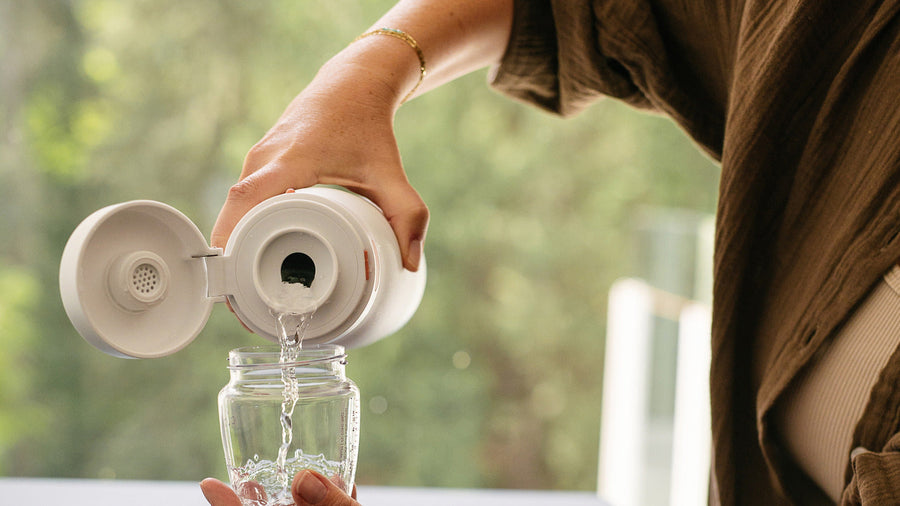
La plupart des parents n’ont pas besoin d’un biberon chaud ; ils ont besoin qu’il soit agréablement tiède et prévisible. BuubiBottle offre une plage réglable de 37ºC (98ºF) à 50ºC (122ºF), ce qui laisse le choix entre un réglage doux, proche de la température du corps, et un réglage plus chaud quand les conditions l’exigent. Un affichage de la température en temps réel est particulièrement utile lorsqu’on passe d’un environnement à l’autre, par exemple d’un aéroport climatisé à une voiture froide.
Avant le boire, faites toujours tourner doucement le biberon et testez quelques gouttes à l’intérieur de votre poignet. Ce geste tout simple compte même quand le chauffe-biberon a un affichage, parce que le biberon, le volume de liquide, la température de départ et la température extérieure influencent tous la sensation de chaleur au moment du boire.
2. Adaptez la capacité au boire habituel de votre bébé
La capacité s’oublie facilement jusqu’au moment de faire les bagages. Un chauffe-biberon portatif trop petit peut vous obliger à fractionner les boires, tandis qu’un modèle surdimensionné prend une place inutile dans le sac à couches. Le BuubiBottle Portable Milk Warmer PRO a une capacité de 17 oz et le BuubiBottle Smart Portable Milk Warmer d’origine, de 300ml / 10oz — deux formats pratiques pour bien des boires en déplacement, tout en restant transportables en poussette, en voiture et en bagage à main.
Pour le lait maternel, ne réchauffez que ce que votre bébé est susceptible de boire et suivez les directives d’entreposage en vigueur sur la durée pendant laquelle le lait peut rester à température ambiante ou être utilisé après réchauffage. Pour la préparation pour nourrissons, préparez et conservez selon l’étiquette du produit et les directives de santé publique, et jetez la préparation entamée selon les consignes que vous appliquez à la maison.
3. Comprenez ce que la recharge USB-C change
La recharge USB Type-C est un avantage en voyage parce qu’elle simplifie la recharge d’un déplacement à l’autre. Au lieu d’emporter un cordon propre à l’appareil, vous pouvez souvent utiliser le même type de câble que pour vos autres essentiels. Une grande capacité de batterie compte aussi, parce que les parents n’ont pas forcément accès à une prise au moment précis où bébé a faim.
Cela dit, planifier la batterie fait partie de la planification des boires. Chargez le chauffe-biberon avant de quitter la maison, emportez un câble compatible et estimez le nombre de boires prévus avant la prochaine occasion fiable de recharger. Si vous prenez l’avion, rappelez-vous que les règles des compagnies aériennes et de la sûreté aéroportuaire varient d’un pays et d’un trajet à l’autre. Beaucoup de parents voyagent avec des liquides d’alimentation infantile et des appareils à batterie, mais vérifiez auprès de votre compagnie, de l’aéroport et de l’autorité de sûreté locale avant le départ.
4. Recherchez une construction adaptée au voyage
Un chauffe-biberon de voyage doit résister à bien plus qu’un comptoir de chambre de bébé. Un contenant en acier inoxydable isolé sous vide reste robuste dans un sac à couches, un panier de poussette ou un compartiment à bagages. Les parents ont aussi intérêt à vérifier l’étanchéité du chauffe-biberon, la façon dont le biberon s’y fixe et si les pièces sont assez simples à nettoyer loin de la maison.
« Adapté au voyage » doit vouloir dire pratique en déplacement, et non permission d’ignorer les règles de contrôle. En bagage à main, gardez l’appareil accessible, sachez où se trouve votre câble de recharge et séparez les liquides d’alimentation si les agents de sûreté le demandent. Le lait maternel, la préparation pour nourrissons, les boissons pour tout-petits et les articles d’alimentation associés peuvent être contrôlés différemment des liquides ordinaires dans certaines juridictions, mais la décision finale revient à l’autorité aéroportuaire compétente.
5. Déterminez si vous réchauffez du lait ou de l’eau
Les parents utilisent les chauffe-biberons portatifs de deux façons courantes : réchauffer du lait maternel exprimé ou réchauffer l’eau qui servira à préparer la préparation pour nourrissons. Ces routines ne sont pas identiques. La manipulation du lait maternel vise à en préserver la qualité, à utiliser des contenants de conservation propres et à éviter la surchauffe. La manipulation de la préparation pour nourrissons vise le dosage exact, une préparation propre, un entreposage sécuritaire et le respect des consignes propres au type de préparation.
La préparation pour nourrissons en poudre n’est pas stérile et doit être préparée avec soin, surtout pour les nourrissons plus jeunes ou à risque plus élevé. Si votre clinicien ou les consignes du produit exigent de l’eau bouillie à une température de préparation plus élevée, un chauffe-biberon réglé entre 37ºC et 50ºC n’est pas conçu pour accomplir cette étape de réduction du risque. Dans ce cas, servez-vous du chauffe-biberon pour la partie de la routine à laquelle il est destiné, et suivez l’étiquette du produit et les conseils professionnels pour le mélange et l’entreposage.
La place de BuubiBottle dans une trousse d’alimentation de voyage
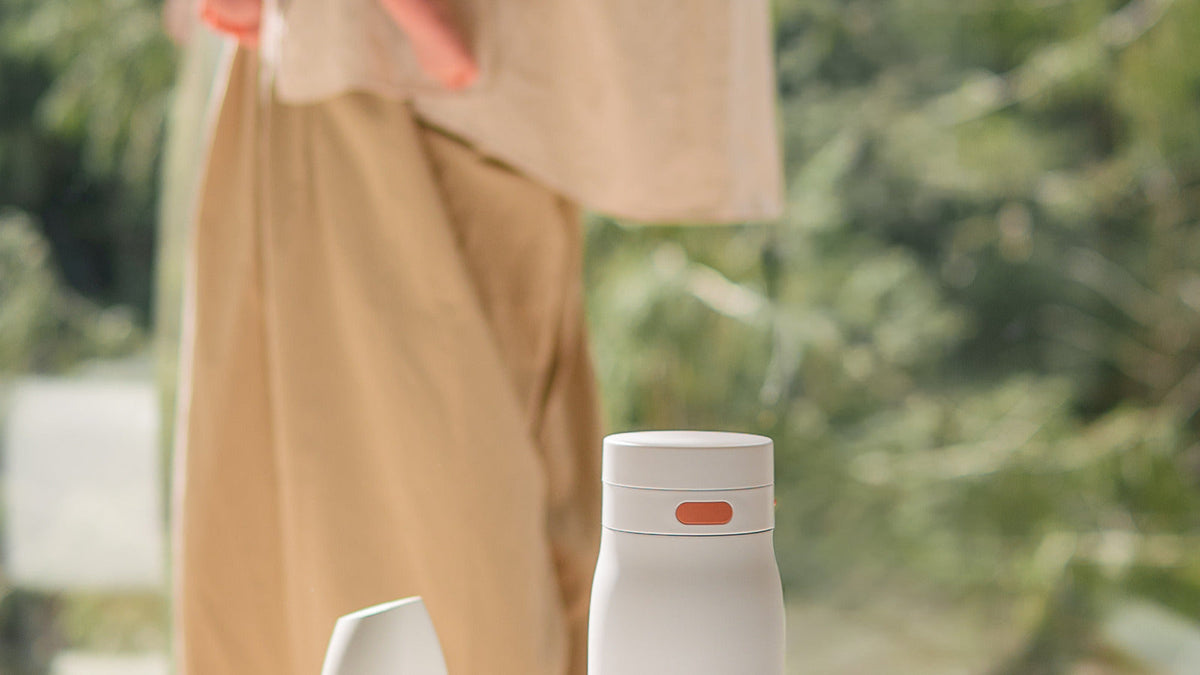
BuubiBottle est conçu pour les parents qui veulent une façon portative et sans fil de réchauffer du lait ou de l’eau en déplacement. Du côté du BuubiBottle Portable Milk Warmer PRO : un contenant de 17 oz en acier inoxydable isolé sous vide, une recharge USB-C de 30W jusqu’à 80% en environ 90 minutes, une autonomie d’une journée, un affichage en temps réel et une température maintenue au degré près — du côté du modèle d’origine : 300ml / 10oz, une recharge USB Type-C, une plage de 37ºC (98ºF) à 50ºC (122ºF) et une construction durable en Tritan. Ce sont les caractéristiques de voyage à comparer avec votre routine quotidienne.
L’argument le plus fort en faveur de BuubiBottle tient quand votre déplacement comporte des plages de boire prévisibles mais un accès imprévisible à l’eau chaude : courses, sortie de la garderie, voyages en voiture, séjours à l’hôtel, visites familiales et vols. Il est particulièrement utile quand vous voulez voir la température actuelle au lieu de la deviner au toucher.
Pour une trousse de voyage plus simple, emportez le chauffe-biberon complètement chargé, un câble USB-C compatible, des biberons ou contenants propres, la préparation dosée ou le lait conservé selon le cas, un petit plan de nettoyage pour la destination et une solution de rechange pour les retards. Le but n’est pas d’emporter toute la cuisine ; c’est d’emporter les éléments de la routine qui protègent le confort de bébé au boire et votre tranquillité d’esprit.
Erreurs courantes à éviter
- Ne réchauffez pas les biberons au micro-ondes. Les directives de santé publique mettent en garde contre le micro-ondes, parce que le chauffage peut être inégal et créer des points brûlants.
- N’utilisez pas un chauffe-biberon pour prolonger un temps d’entreposage non sécuritaire. Les délais de refroidissement, d’entreposage et de rejet comptent toujours.
- Ne présumez pas que toutes les règles d’aéroport sont identiques. Vérifiez les consignes de sûreté et de la compagnie aérienne en vigueur avant d’emporter des liquides et des appareils à batterie.
- Ne sautez pas le test au poignet. Un affichage numérique aide, mais tester avant le boire reste une habitude de sécurité concrète.
- Ne préparez pas la poudre autrement parce que vous voyagez. Suivez l’étiquette, les conseils de votre clinicien et les directives de préparation de la santé publique.
Comment préparer un chauffe-biberon USB-C pour une vraie journée de voyage
Une bonne organisation de voyage commence avant que le biberon soit chaud. Chargez le chauffe-biberon à fond, rangez le câble USB-C dans la même pochette chaque fois, et décidez si le prochain boire se fera avec du lait exprimé, une préparation déjà faite ou de l’eau qui sera mélangée plus tard selon l’étiquette du produit. Prévoyez aussi un plan de propreté pour les biberons : contenants bouchés, une petite serviette ou des lingettes, un endroit pour les pièces usagées et une solution de rechange si la journée s’étire.
En voiture, placez le chauffe-biberon là où il restera à la verticale et où un adulte ne pourra l’utiliser qu’une fois stationné en sécurité. En avion, gardez le chauffe-biberon et les liquides d’alimentation accessibles plutôt qu’enfouis au fond d’un bagage à main. À l’hôtel, vérifiez les possibilités de nettoyage avant le premier boire, pas une fois que bébé a déjà faim. Un chauffe-biberon portatif aide le plus quand la routine autour est elle aussi simple.
Planification de la batterie et questions de recharge
La recharge USB-C réduit l’encombrement des câbles, mais la batterie se planifie comme n’importe quelle autre fourniture d’alimentation. Un chauffe-biberon chargé au début de la journée, ce n’est pas la même chose qu’un chauffe-biberon oublié dans le sac à couches depuis la fin de semaine dernière. Avant de partir, vérifiez la charge, emportez un câble compatible et repérez où vous pourriez recharger si les plans changent.
Les batteries externes peuvent être utiles en voyage, mais elles ont leurs propres règles de compagnie aérienne et de sûreté. Ne présumez pas que chaque batterie peut être enregistrée, transportée ou utilisée de la même façon sur tous les trajets. La règle la plus prudente est simple : vérifiez les consignes de la compagnie et de l’aéroport avant de partir, gardez les appareils d’alimentation à batterie accessibles, et évitez de promettre qu’un produit passe automatiquement toutes les situations de voyage.
Quand un chauffe-biberon USB-C n’est pas le bon raccourci
Un chauffe-biberon portatif doit rendre une routine sécuritaire plus facile, pas fournir une raison d’étirer les règles de salubrité. Si le lait ou la préparation est resté trop longtemps hors du froid, le réchauffer ne remet pas le compteur à zéro. Si la préparation en poudre exige une méthode précise selon l’âge ou l’état de santé de votre bébé, le chauffe-biberon ne remplace pas ces consignes. Si l’appareil n’a pas été nettoyé, la réponse est de le nettoyer avant la prochaine utilisation, pas de compter sur la chaleur seule.
Évitez aussi d’acheter en fonction d’une seule urgence imaginée. Un chauffe-biberon USB-C est surtout utile quand les boires en déplacement reviennent souvent : sortie de la garderie, visites familiales, courses, voyages en voiture, hôtels, balades en poussette ou journées partagées avec un autre adulte. Si votre bébé boit habituellement du lait à température ambiante et que vos sorties sont courtes, vous n’aurez peut-être pas besoin d’emporter du matériel de réchauffement chaque fois.
Prochaine étape Quark Baby associée
Les parents qui veulent une routine de réchauffement autonome en voyage peuvent consulter les caractéristiques du BuubiBottle Portable Milk Warmer PRO, notamment la capacité, la recharge USB Type-C, le positionnement voyage, les détails de matériaux, l’affichage en temps réel et la plage de température. Les parents qui comparent encore les méthodes de réchauffement peuvent aussi utiliser le carrefour des guides d’achat Quark Baby pour comparer les décisions d’équipement d’alimentation voisines.
Tableau de décision rapide
- Choisissez un chauffe-biberon USB-C si vous réchauffez des biberons hors de la maison plusieurs fois par semaine, si vous voyagez avec d’autres personnes qui s’occupent de bébé, ou si vous voulez un contrôle visible de la température plutôt que de deviner avec l’eau chaude.
- Utilisez une méthode plus simple si les boires sont courts, prévisibles et que votre bébé accepte le lait à température ambiante ou une préparation faite selon les directives.
- Attendez avant d’acheter si la seule raison est un voyage exceptionnel et que vous ne savez pas encore si le réchauffement sera un problème récurrent.
- Réévaluez la routine chaque fois que le voyage, la garderie, le volume des boires ou le passage de relais entre adultes change.
Notes de passation avant de quitter la maison
Un chauffe-biberon portatif devient plus utile quand un autre adulte peut suivre les mêmes étapes sans deviner. Avant qu’une gardienne, un grand-parent ou l’autre parent parte avec le sac à couches, notez ce qui est emballé, quand le lait ou la préparation a été préparé, quel réglage de température utiliser, où se trouvent les pièces propres du biberon et ce qui doit être jeté après le boire. Cette note de passation compte autant que l’appareil, parce que les boires en déplacement arrivent souvent quand tout le monde est fatigué, distrait ou en mouvement.
Si la routine ne s’explique pas en quelques lignes, simplifiez-la avant le départ. La meilleure configuration de chauffe-biberon de voyage est celle qu’un autre adulte peut répéter calmement tout en respectant les délais d’entreposage, un réchauffement doux, le test au poignet et le nettoyage.
FAQ
Puis-je emporter un chauffe-biberon USB-C dans un bagage à main ?
Puis-je réchauffer du lait maternel dans un chauffe-biberon USB-C ?
Un chauffe-lait peut-il rendre stérile la préparation en poudre ?
Une capacité de 17 oz suffit-elle pour voyager ?
Dois-je quand même tester la température du biberon si le chauffe-biberon a un affichage en temps réel ?
Dois-je emporter un chauffe-biberon portatif pour chaque courte sortie ?
Références
- CDC: Breast Milk Storage and Preparation
- CDC: Infant Formula Preparation and Storage
- Health Canada : Preparing and Handling Powdered Infant Formula
- TSA : Breast Milk
- TSA : Baby Formula


Laisser un commentaire
Tous les commentaires sont modérés avant d'être publiés.
Ce site est protégé par hCaptcha, et la Politique de confidentialité et les Conditions de service de hCaptcha s’appliquent.