

"Cordless" isn't one feature — it's a trade-off
Walk down any baby-gear aisle (or scroll any registry) and half the products now advertise some version of "wireless," "portable," or "rechargeable." It sounds like a strict upgrade, but it never is. The practical rule is simpler than the marketing: pay for wireless where a cord would genuinely trap you, and don't pay the premium where you'll just plug it in anyway. Cutting the cord almost always means adding a battery, which adds weight, a charging routine, and a runtime limit, and sometimes a higher price for the same core function. The question is never "is cordless better?" in the abstract. It's "does this particular piece of gear get used somewhere a cord would genuinely get in the way?"

That single lens sorts the whole category fast. Gear that travels with you, moves around the house, or gets used in the dark where you don't want to fumble for an outlet benefits enormously from going wireless. Gear that lives in exactly one place, plugged in, all day, mostly doesn't. Let's walk the major categories through that filter.
The quick verdict, by gear type
Here's the short version before the reasoning. Treat this as a starting map, not a law — your own routine can shift a "nice-to-have" into a "must-have."
| Gear type | Cordless verdict | Why |
|---|---|---|
| Bottle / milk warmer | Worth it — if you leave the house | Warming happens wherever the baby is hungry: car, stroller, plane, a friend's couch. A corded countertop warmer can't follow you there. |
| Breast pump | Often worth it | Hands-free, wearable, and wall-free pumping changes where and when you can pump (at your desk, in the car, mid-task). Real freedom, real premium. |
| Travel sound machine | Worth it for travel | A small rechargeable unit that clips to a stroller or car seat is useful on the go. The nursery one can stay plugged in. |
| Nursery sound machine | Usually skip the premium | It sits on one shelf, runs all night, never moves. A cord is fine and won't die at 3 a.m. |
| Baby monitor (camera) | Corded is fine (often better) | You want it running 24/7 without a battery to recharge or die. Mount it, plug it in, forget it. |
| Bottle sterilizer | Corded is fine | A kitchen-counter appliance with no reason to travel. Wireless adds cost and a charge cycle for zero real benefit. |
| Nightlight | Depends on use | A grab-and-carry nightlight benefits from being cordless; a fixed nursery one doesn't need to be. |
Feeding gear: the strongest case for cordless
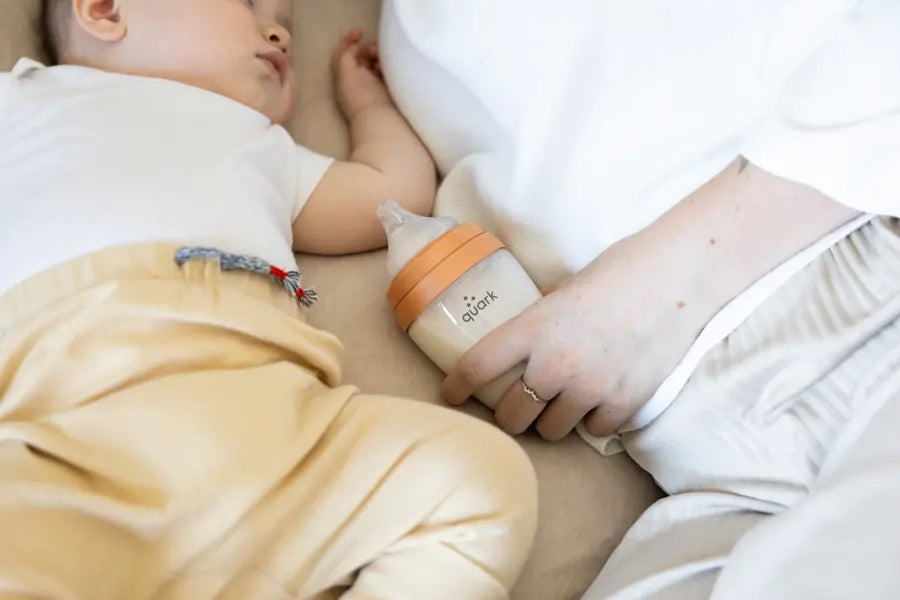
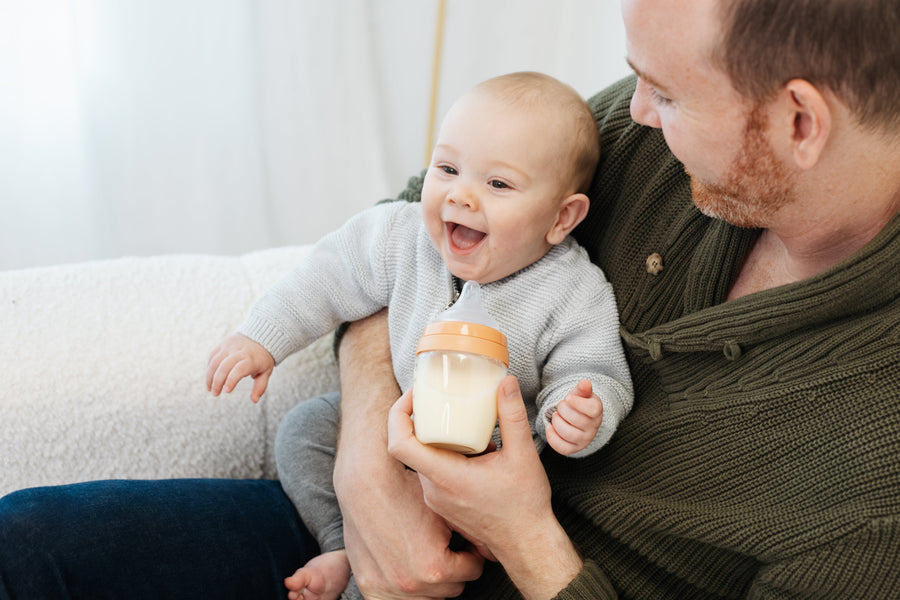
Feeding is where wireless does the most real work, because hunger is portable and outlets are not. A baby gets hungry in the car seat, in the carrier, at the back of a long-haul flight, on a relative's sofa with no free socket in sight. A corded countertop warmer is genuinely excellent at home. The moment you leave the kitchen, it's dead weight, and you're back to hunting for hot water you can't control.
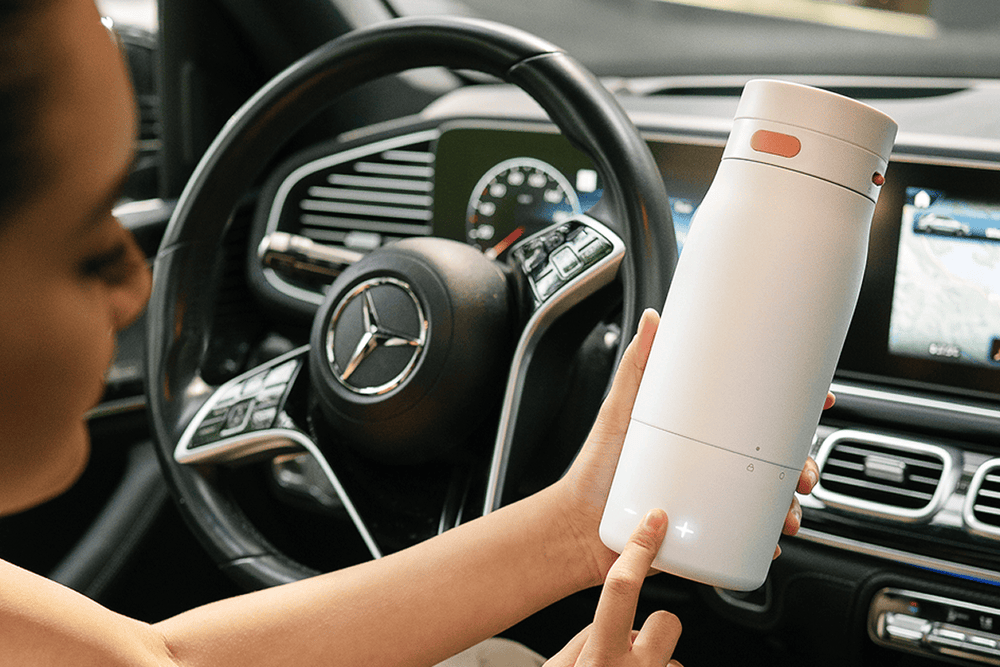
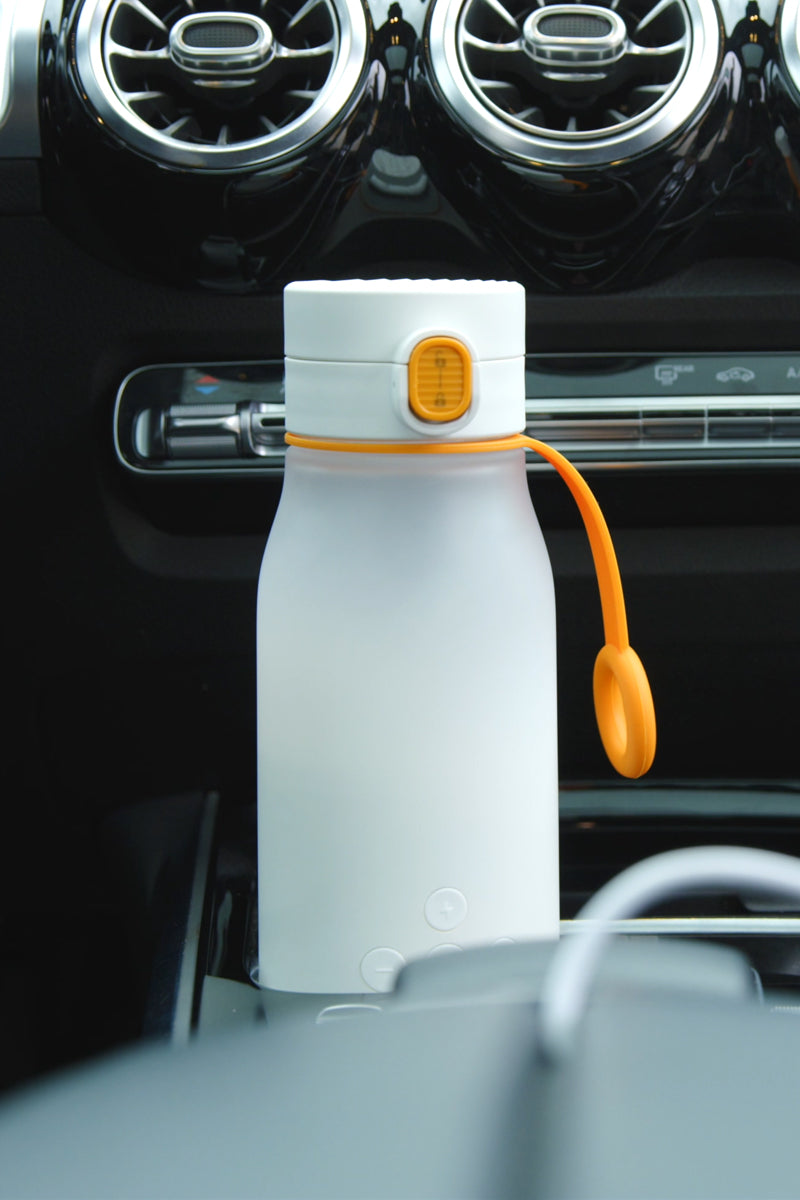
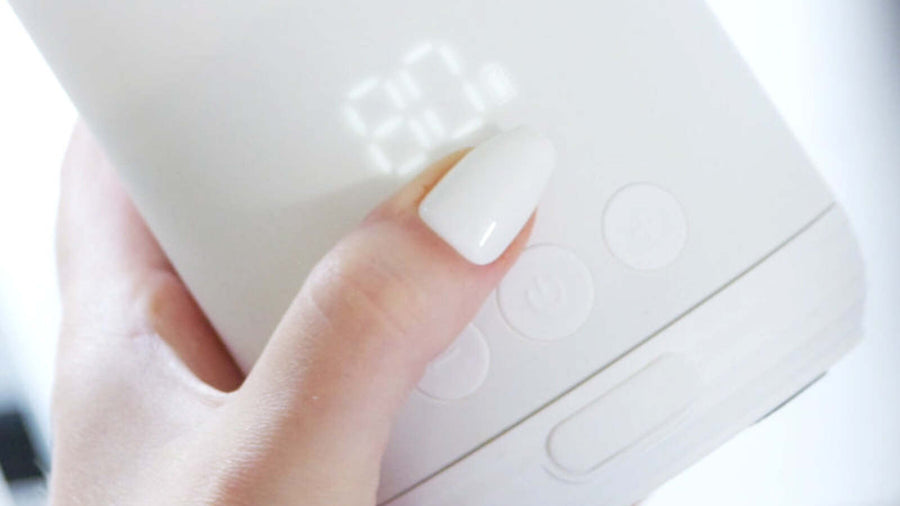
This is exactly the gap the BuubiBottle Smart Portable Milk Warmer is built to close. It's a USB-C powered, Tritan-made portable warmer that operates in a controlled 37–50 °C (98–122 °F) window and shows the temperature in real time, so warming away from home becomes a number you read rather than a guess you make. At its current sale price of $99.99 (regular price $124.99) it isn't an impulse buy, but the value isn't the cord-cutting for its own sake: warming can finally happen wherever the feed does. For the full home-vs-away breakdown, our portable milk warmer vs. traditional bottle warmer comparison lays out where each one wins, and the portable bottle warmer buying guide covers what actually matters when you're choosing one.
One honest caveat worth naming: USB-C "cordless" still needs a power source. You're not tethered to a wall, but you are relying on a power bank, a car port, or a charged device, so the practical win is freedom of location, not freedom from power entirely. That distinction matters most for travel, which is its own discipline; we go deeper on it in our look at USB-C bottle warming on the road and on the specifics of warming during car rides and flights. The material choice matters here too: a portable warmer gets handled, dropped, and packed, so a durable, shatter-resistant body is the stronger choice, which is part of why we lean toward Tritan for gear that travels.
Breast pumps: where wireless changed the job
Pumps are the other category where cutting the cord genuinely changed what's possible. A traditional plug-in pump ties you to a chair near an outlet for the duration. Wearable and battery-powered pumps let parents pump at a desk, in a car, or while moving around the house (which, for anyone returning to work or simply trying to reclaim twenty minutes, is a meaningful shift, not a gimmick).
That said, "cordless" and "best for you" aren't the same checkbox. Suction strength, comfort, quietness, and how easy a pump is to clean still matter more than whether it has a cord, and the wearable convenience often comes at a real price premium. So weigh wireless as one factor among several, not the deciding one. Our complete guide to choosing the perfect breast pump walks through the trade-offs in full so you're not paying for portability you won't use.
Where corded is genuinely fine (and sometimes better)
It's just as important to know where not to pay the wireless premium. Some gear is happiest plugged in and left alone.
- Baby monitors. A camera you want streaming all night, every night, is better off corded. A battery is one more thing to recharge, and one more thing that can die at the worst possible moment. Mount it, plug it in, and let it run.
- Nursery sound machines. The white-noise machine that lives on a shelf and runs from bedtime to morning has no reason to be cordless. A plug means it never quits mid-night, and you're not buying batteries. (The travel sound machine that clips to a stroller is a different story: that one should absolutely be rechargeable.)
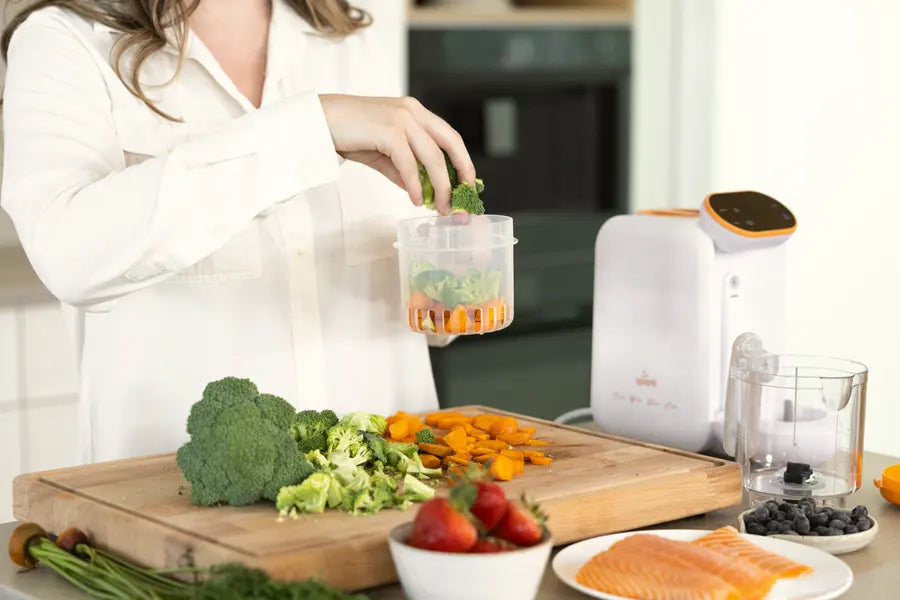
- Sterilizers and countertop appliances. A sterilizer, a kettle, a stationary food maker: these live on the counter and never travel. Wireless versions just add cost and a charge cycle for a benefit you'll never use.
- Fixed nightlights. A nightlight bolted to the nursery wall doesn't need a battery. Save cordless for the one you carry room to room during night feeds.
The pattern is consistent: if a device lives in one spot and runs for hours, a cord is a feature, not a flaw. It means uninterrupted power and one less thing to manage. Sleep gear is a good example of "set it and forget it" winning over portability; our realistic guide to baby sleep leans on the same logic of reducing fiddly steps at 2 a.m.
A simple test before you pay extra for "wireless"
When a product's main selling point is that it's cordless, run it through three quick questions:
- Will I actually use this away from an outlet? If the honest answer is "almost never," the cord isn't a downside.
- What does the battery cost me? More weight, a charging habit, a runtime ceiling, and often a higher price. Make sure the freedom is worth those four things.
- Does the core function still hold up? A cordless gadget that's worse at its actual job (weaker, fussier, harder to clean) isn't a bargain at any price. Function first, then portability.
Apply that and most decisions answer themselves. Feeding and pumping gear you carry? Wireless is worth real money. A monitor or sterilizer that lives in one place? Save the premium. And when you are buying a portable feeding setup, the same care you'd give any bottle purchase still applies: material, fit, and ease of cleaning don't stop mattering just because something is cordless. Our ultimate guide to choosing the best baby bottle and our breakdown of glass, silicone, and plastic bottles cover those fundamentals.
Frequently asked questions
Is a cordless baby bottle warmer worth it?
Yes, if you regularly feed away from home (in the car, on flights, at other people's houses), because that's exactly where a corded countertop warmer can't help you. If you only ever warm bottles in your own kitchen, a plug-in warmer is perfectly good and usually cheaper.
Does "cordless" mean no power source at all?
No, not for USB-C gear. A USB-C powered warmer like the BuubiBottle Smart Portable Milk Warmer frees you from the wall, but it still needs a power source: a power bank, a car port, or a charged device. The win is using it anywhere, not running it on nothing.
Should a baby monitor be wireless?
No, the camera you want running all night is usually better corded, so a battery never dies mid-shift and you never have to recharge it. "Wireless" monitors typically still mean a wireless signal to your phone; the camera itself is happiest plugged in and mounted.
Are wearable breast pumps better than corded ones?
It depends on how much you move. They're better at letting you pump on the move, which can be a genuine shift for working parents. But suction, comfort, noise, and cleaning still matter more than the cord, and wearables often cost more. Treat portability as one factor, not the whole decision.
Do I need a cordless sound machine?
Only if it travels. The nursery unit that sits on a shelf and runs all night is better off plugged in. A small rechargeable one that clips to a stroller or car seat is worth it specifically for going out.
What baby gear is NOT worth buying cordless?
Generally anything that lives in one place and runs for hours: nursery monitors, stationary sound machines, sterilizers, kettles, fixed nightlights, and countertop food makers. For these, a cord means uninterrupted power and one less battery to manage.
What makes the BuubiBottle a good cordless option for feeding?
It pairs USB-C portability with a real-time temperature display and a controlled 37–50 °C (98–122 °F) window, so warming away from home becomes a number you can read rather than a guess. It's the feeding-category case where cordless genuinely solves a problem you actually have on the go.
This article is general product-education and buying guidance, not medical advice. Cordless verdicts reflect practical use, not lab benchmarks; for temperature, storage, and feeding-safety specifics, follow the linked sourced guides and your pediatric provider. Written by the Quark Editorial Team.
Sources
- American Academy of Pediatrics (HealthyChildren.org) — How to Sterilize and Warm Baby Bottles Safely
- Centers for Disease Control and Prevention — Breast Milk Storage and Preparation
Medically reviewed by Dr. Yang Last reviewed August 6, 2026.


Leave a comment
All comments are moderated before being published.
This site is protected by hCaptcha and the hCaptcha Privacy Policy and Terms of Service apply.