



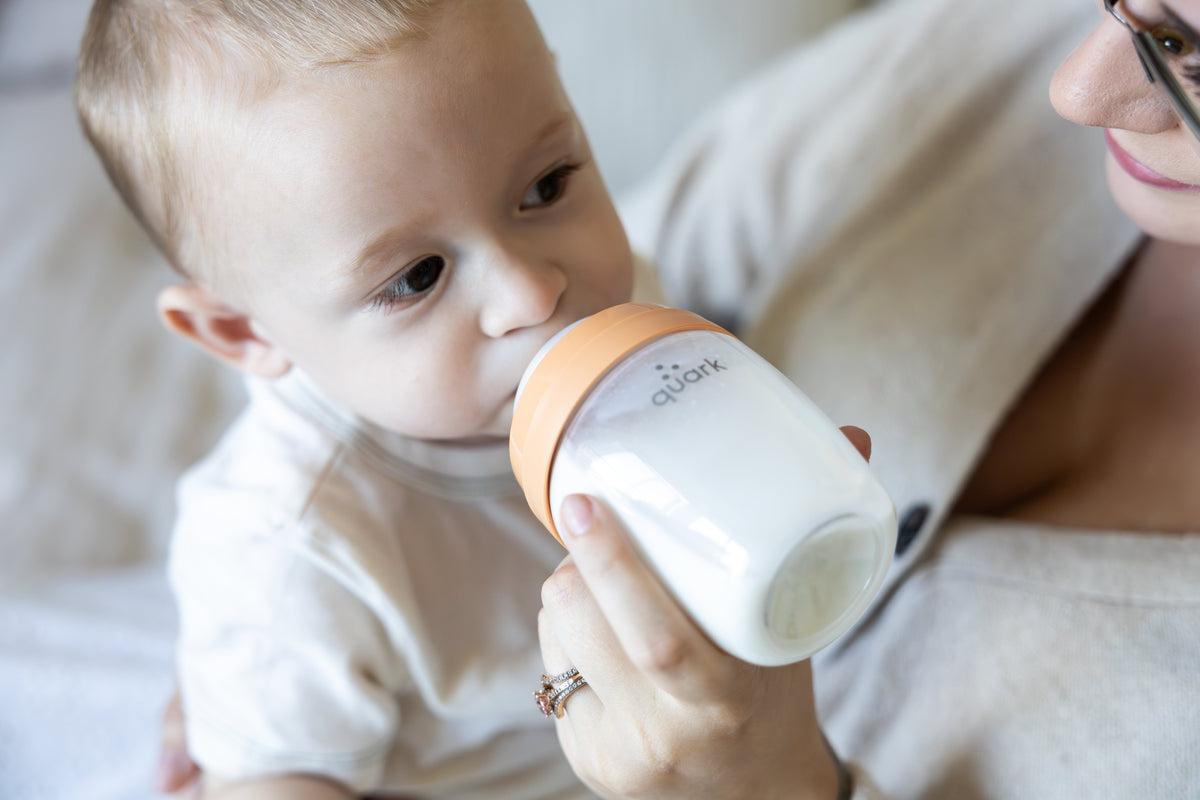
Combo Feeding: How to Combine Breastfeeding and Bottle Feeding
Many parents reach a point where exclusive breastfeeding might not be practical, sustainable, or the right fit for their family. This guide is here to help you navigate it with confidence.
What Is Combo Feeding?
Combo feeding, in its most simplest terms, means using both breastmilk and infant formula to feed your baby. This can include expressed milk or pumped milk.
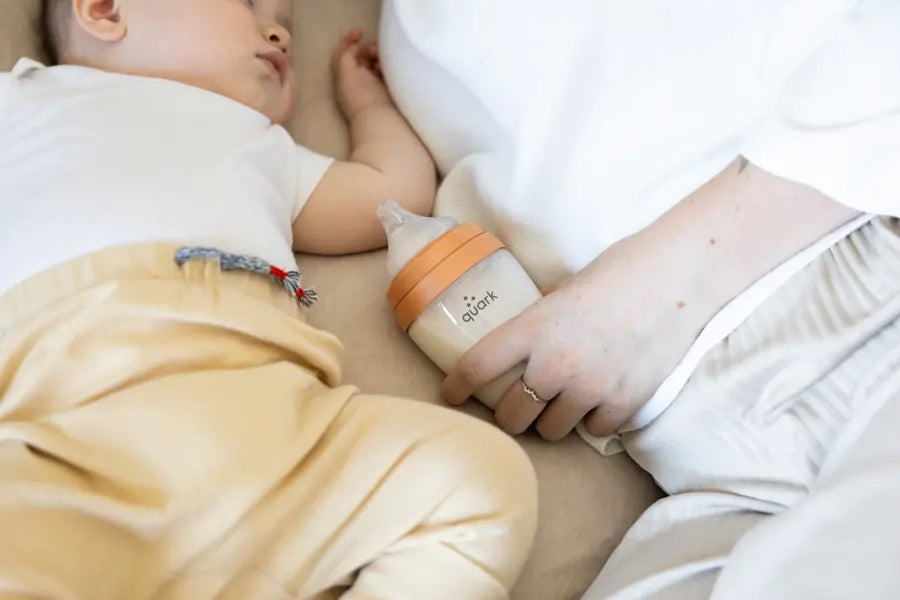
Some families breastfeed during the day and use bottles at night, while others may breastfeed and supplement with a bottle when needed.
The opposite of Combo Feeding is Exclusive Breastfeeding (EBF) or Exclusive Formula Feeding:
| Feeding Type | What Baby Receives | How Milk is Given | Includes Breast Milk? | Includes Formula? | Example |
|---|---|---|---|---|---|
| Exclusive Breastfeeding (EBF) | Only breast milk | Breast, bottle (pumped), cup, syringe | ✅ | ❌ | Nursing + occasional pumped milk bottle |
| Exclusively Formula Feeding | Only formula | Bottle, cup, etc. | ❌ | ✅ | Formula for all feeds |
| Combo Feeding | Breast milk + formula | Any method | ✅ | ✅ | Breastfeeding + some formula top-ups |
Why Families Choose Combo Feeding
Parents may consider using combo feeding for many reasons:
- Returning to work or needing more scheduling flexibility
- Low milk supply
- Wanting a partner or caregiver to share in feeding
- To focus on physical recovery after birth
- Personal preference
When to Introduce a Bottle
Health Canada Guidelines recommend “exclusive breastfeeding for the first 6 months, and sustained for up to 2 years or longer with appropriate complementary feedings.”
That being said, this isn't a firm rule. If you are planning to incorporate bottle feeding earlier, it is recommended to wait until breastfeeding feels established, often around the three to four week mark to prevent nipple confusion or milk supply issues.
What a Combo Feeding Schedule Looks Like
Combo feeding doesn’t necessarily have to mean a 50/50 split of breastmilk and formula. You can adjust the ratio to suit your lifestyle, work schedule, and responsibilities between caregivers. Here are some common styles of combo feeding:
| Style | What it looks like | Purpose | Example |
|---|---|---|---|
| Responsive | Feed based on baby’s hunger cues | Baby-led | Nurse when baby cues, then offer formula if still hungry |
| Feeding | Feed based on baby’s hunger cues | Baby-led | Nurse when baby cues, then offer formula if still hungry |
| Time-Based Feeding | Feeds happen on a set schedule | Parent-led | Breastfeed every 3 hrs, then offer a set amount of formula |
| Top-Up Feeding | Breastfeed first, then add formula after | Ensuring fullness | Nurse → offer 1–2 oz formula after |
| Split Feeding | Some feeds are breast milk, others are formula | Dividing feeds | Day = breastfeeding, night = formula bottles |
Does Combo Feeding Affect My Milk Supply?
Breast milk production works on a supply-and-demand basis:
When milk is removed through nursing or pumping, your body makes more.
When milk is not removed, supply can gradually decrease.
If bottle feeds start to replace nursing sessions and maintaining or building your supply is a priority, consider breastfeeding or pumping to help maintain your supply.
Read more on maintaining your milk supply while combo feeding.
Why Some Babies Develop a Bottle Preference
Bottles typically deliver milk faster and more continuously than the breast, and some babies may pick up on the difference.
One way to reduce this confusion is a technique called paced bottle feeding. This approach is designed to slow things down and give your baby more control, more closely mimicking the experience of breastfeeding.
Key elements of paced feeding:
- Hold your baby in a semi-upright position
- Keep the bottle more horizontal, rather than tipped steeply downward
- Use a slow-flow nipple so feeds take approximately 15–20 minutes
- Wait for your baby to open their mouth and draw in the nipple, rather than inserting it
- Pause periodically throughout the feed
- Switch sides halfway through, as you would at the breast
Common Challenges and How to Approach Them
My baby seems to prefer the bottle. Try slowing the flow with paced feeding techniques, and offer the breast when your baby is calm and not overly hungry.
I think my supply is dropping. Consider adding a pumping session when a bottle replaces a feed, or try offering the breast first and following up with a bottle top-up if needed.
I'm feeling overwhelmed. That's a completely understandable response to early parenthood. Feeding decisions happen while you're fatigued, recovering, and learning your baby all at once.
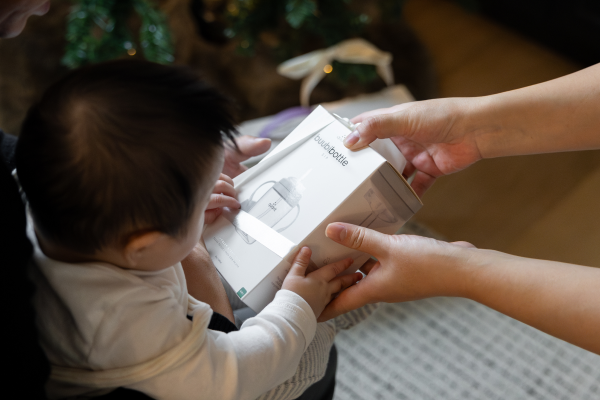
If you’re looking to start combo feeding, the BuubiBottle is designed to switch seamlessly between breast and bottle. It has a true slow flow rate and matches your baby’s oral anatomy to reduce bottle preference.
Sources
- World Health Organization — Infant and young child feeding (fact sheet): “breastfeed exclusively (are fed only breast milk) for the first 6 months of life and then continue breastfeeding up to 2 years of age or beyond … introduce additional (complementary) foods around 6 months of age”
This article is general parenting guidance and is not a substitute for advice from your own pediatric provider.
Medically reviewed by Dr. Yang Last reviewed August 6, 2026.




Leave a comment
All comments are moderated before being published.
This site is protected by hCaptcha and the hCaptcha Privacy Policy and Terms of Service apply.