




International Travel With a Baby: What Parents Should Know
The idea of travelling with a baby can bring up a lot of questions. And it can be intimidating, but certainly not impossible.
Will they sleep on the plane?
What if you can’t find baby food?
What happens if they get sick in another country?
If these thoughts have crossed your mind, you’re far from alone. Many parents feel a mix of excitement and uncertainty when they start thinking about travel after welcoming a baby.
This guide walks through what helps make travel smoother, including how to think about travelling internationally with a baby and how to choose destinations that work for your family.
Is It Really Possible to Travel With a Baby?
Many parents assume travel has to pause for several years after a baby arrives. But in reality, babies can often be surprisingly good travellers- and in some cases, easier than a toddler.
This is because in the early months, babies typically:
- Sleep frequently
- Stay close to caregivers
- Are easily soothed by feeding or being held
That doesn’t mean of course that your trip will be effortless. And it’s not meant to undermine; caring for a baby is a lot of work whether you’re at home or across the world.
Travelling Internationally With a Baby: What Changes?
International travel with a baby adds a few additional layers of planning, but it doesn’t necessarily make travel unrealistic.
A few things are helpful to think about ahead of time.
Requirements for Air Travel
It is reccomended that babies do not fly until they are a few months old, and if they do need to travel, they’re at least two weeks old.
Passports and documents
Babies need passports for international flights. Processing times can vary, so it helps to apply early if you’re planning a trip abroad.
Some countries may also require additional documentation when traveling with infants.
Healthcare access
Most parents feel more comfortable knowing where medical care is available.
Before traveling internationally with a baby, many families check:
- nearby hospitals or clinics
- travel health insurance coverage
- vaccination recommendations for the destination
Talking with your pediatrician before longer trips can also help answer questions specific to your baby’s age and health.
Long flights
Long flights with a baby can feel intimidating, especially the first time.
Some families find it helpful to:
- book flights that overlap with nap or nighttime sleep
- bring familiar sleep cues like a blanket or white noise for the hotel
- allow extra buffer time at the airport to move slowly
How to Tell If a Destination Is Baby-Friendly
A “baby-friendly” destination doesn’t have to mean a resort with a kids club or special kid programming.
Instead, it often comes down to how manageable daily life will feel once you arrive.
Here are a few things parents often consider.
Food and feeding options
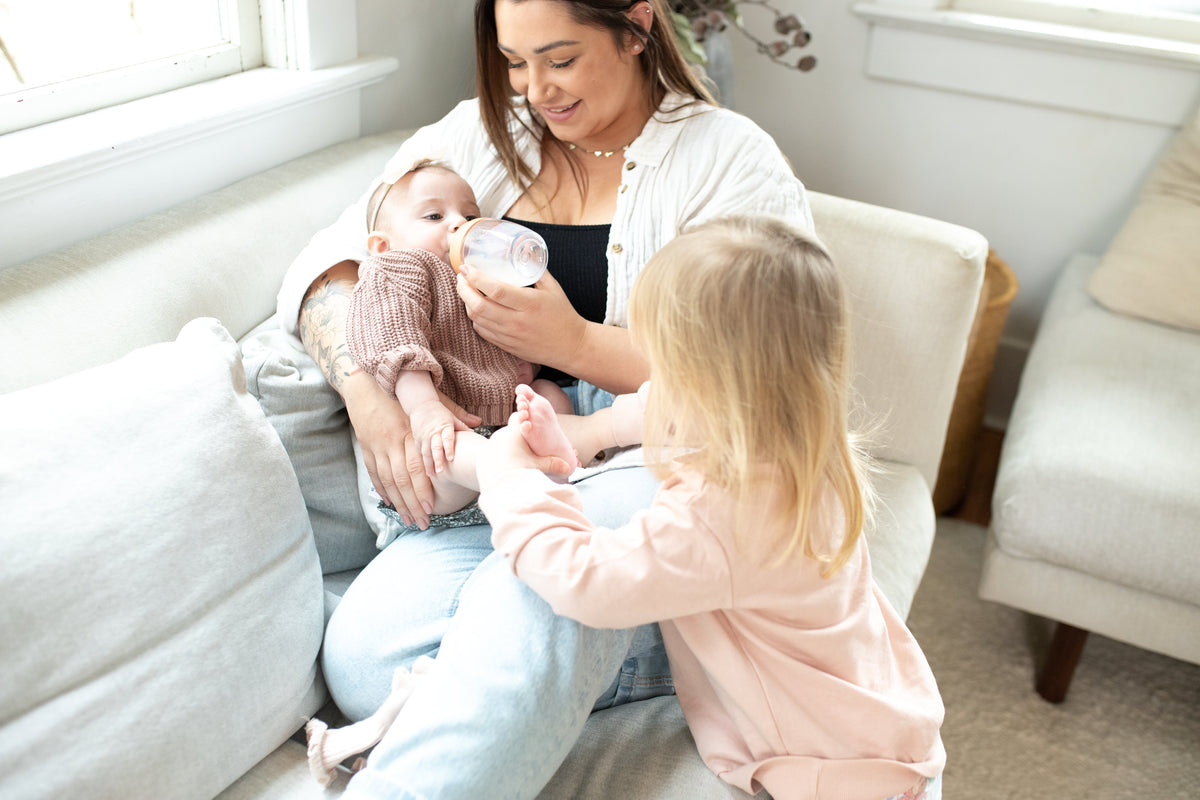
If your baby is breastfed or formula-fed, feeding while traveling is usually manageable anywhere.
If your baby is starting solids, it can help to check:
- whether grocery stores are easy to access
- whether restaurants serve simple foods that can be adapted for babies
- whether you’ll need to bring some familiar snacks
Many destinations offer baby foods and products, although the brands and options may be different from home which is important to consider.
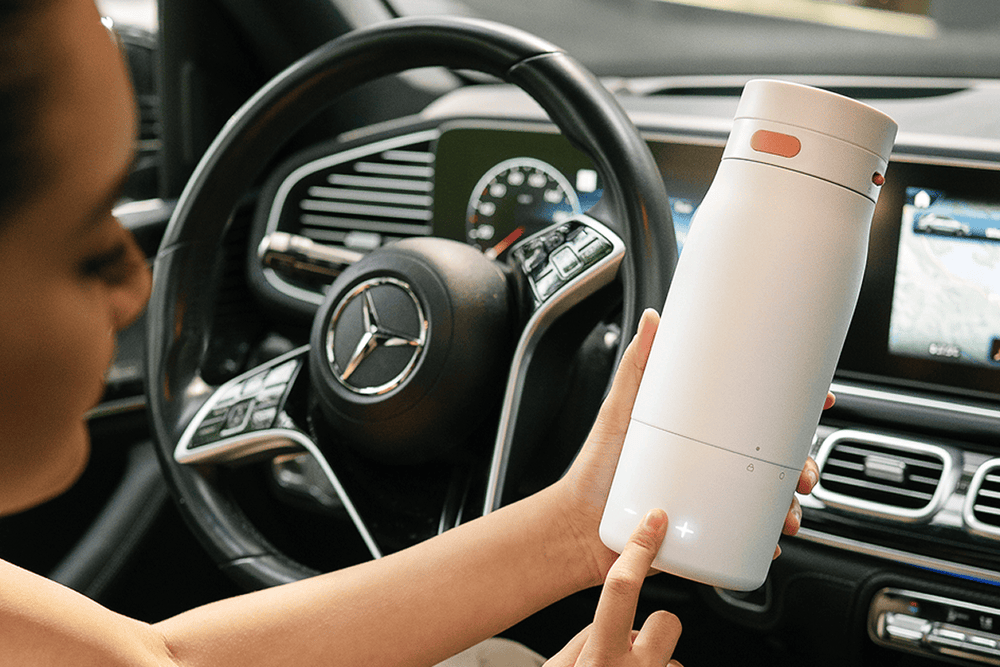
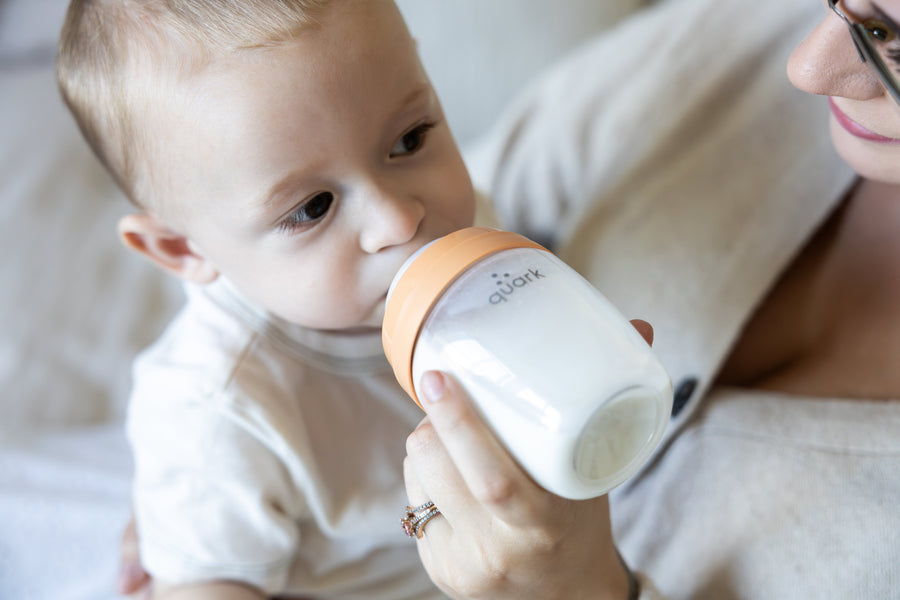
For families using formula or expressed milk, having a reliable way to warm bottles on the go can make travel days much smoother. Portable solutions like a Portable Milk Warmer can be especially helpful during long flights, layovers, or days out exploring.
Stroller accessibility
Some places are easier to navigate with a stroller than others.
When researching a destination, parents sometimes look at:
- sidewalk accessibility
- public transportation
- cobblestone streets or steep terrain
In destinations with uneven streets or crowded markets, baby carriers might be sometimes be more practical than strollers.
Medical care nearby
Most parents simply want reassurance that help would be available if they needed it.
Checking whether there are reputable hospitals or clinics nearby can provide peace of mind when traveling with a baby.
Sleep environment
Babies tend to sleep best in environments that feel familiar.
Before booking accommodations, it can help to check whether the property provides:
- cribs or travel cots
- quiet sleeping areas
- enough space for naps during the day
Some families prefer apartment-style stays because they allow more flexibility with feeding and sleep routines.
Pace of the destination
Some destinations naturally support slower travel.
Places with walkable neighborhoods, parks, cafes, and flexible sightseeing often work well for families with babies.
Practical Tips for Travelling With a Baby
Every family develops their own rhythm when traveling with a baby, but a few gentle strategies tend to help.
Pack for flexibility rather than perfection
It’s easy to overpack when traveling with a baby. Bringing essentials while leaving space for adaptability can reduce stress.
Keep routines where possible
Familiar cues—like a bedtime song or favorite blanket—can help babies settle more easily in new places.
Allow extra time
Moving through airports, restaurants, and sightseeing with a baby naturally takes longer. Building extra time into plans can make the trip feel much calmer.
Expect some unpredictability
Travel days may not go exactly as planned. Many parents notice that approaching travel with curiosity rather than strict expectations helps everyone relax.
A Gentle Reminder: Your Trip Doesn’t Have to Be Perfect
Your first trip travelling with a baby probably won’t look like your trips before becoming a parent.
There may be earlier bedtimes. Slower mornings. A shorter sightseeing list.
But that doesn’t mean the experience is smaller.
Many families discover that traveling with a baby brings a different kind of joy—one that’s less about seeing everything and more about experiencing the world together.
This article is for general information and is not medical advice. Always consult your pediatrician about your baby’s health.
Medically reviewed by Dr. Yang Last reviewed August 6, 2026.



Leave a comment
All comments are moderated before being published.
This site is protected by hCaptcha and the hCaptcha Privacy Policy and Terms of Service apply.