


Quick answer: You don't need to sterilize bottles before every use. Wash thoroughly with hot, soapy water (or a dishwasher) after each use. Sanitize — boil for about 5 minutes, or use a steam or dishwasher sanitize cycle — at least once a day if your baby is under 3 months old, was born prematurely, or has a weakened immune system. For healthy, older babies with a safe water supply, daily sanitizing is optional.
By Justin Gurinskas, Co-Founder, Quark Baby. Information reviewed against AAP and CDC guidance.
Medically reviewed by Dr. Collin Yang, MD (Pediatrics) — June 2, 2026. This article is for general information and is not medical advice — always consult your pediatrician.
Do you need to sterilize baby bottles?
For most healthy, full-term babies, no — not every time. Sterilizing every bottle was a staple of newborn care in eras when water and milk supplies were far less reliable. Today, with modern public water treatment, that ritual is unnecessary for the majority of families. The current consensus among health authorities is that you sterilize once before first use, then keep bottles clean with thorough daily washing in hot, soapy water. Unless your water source is suspected of contamination or your baby is medically vulnerable, careful washing and complete drying keep bottles safe.
That shift matters for real life. It means less time boiling water and babysitting a sterilizer, less heat-related wear on your bottles, and more time for the rest of parenting. Embracing the updated advice simplifies your routine while keeping your little one safe.
Do you need to sterilize bottles every time?
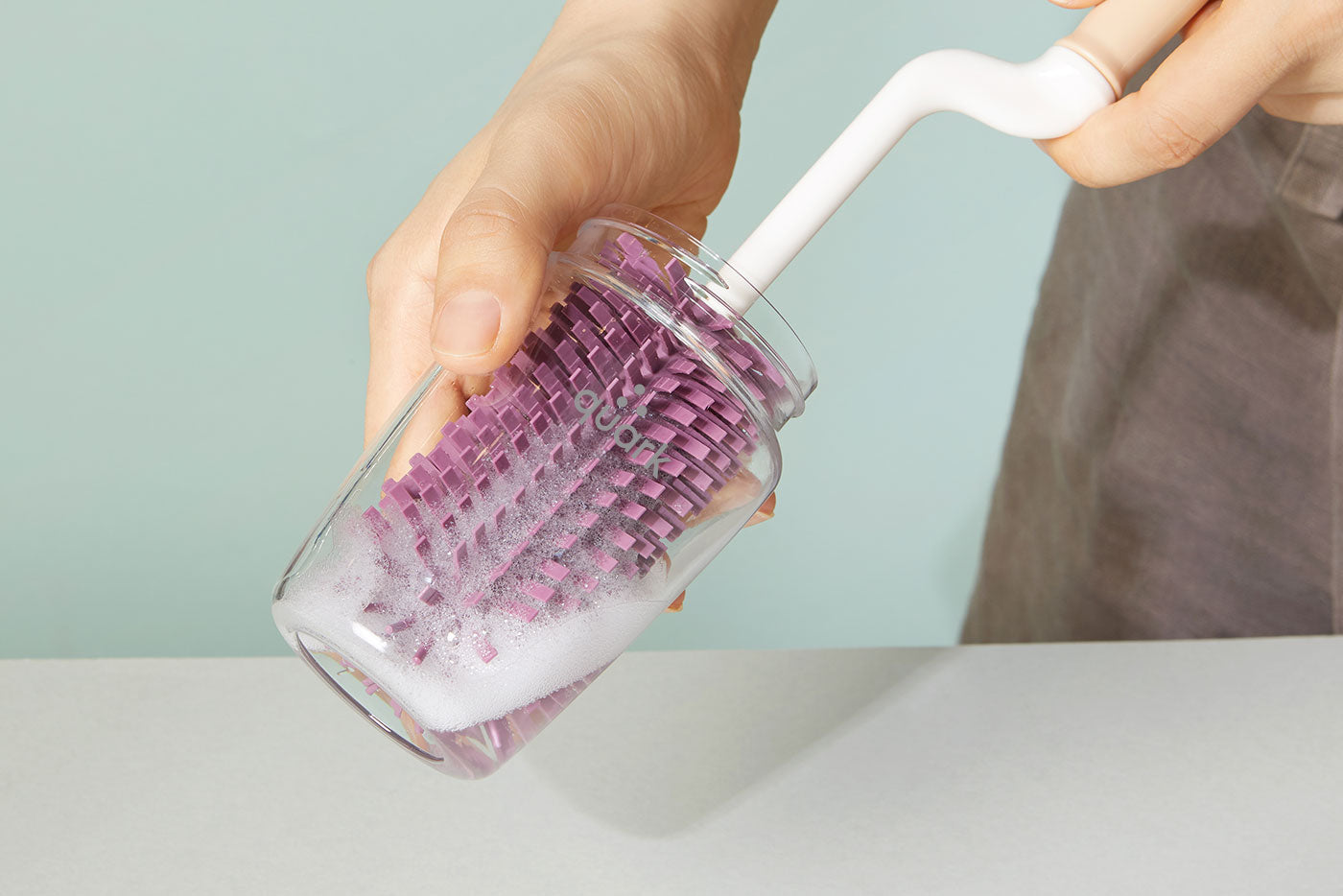
No — for healthy full-term infants, sterilizing after every feed offers little added protection over proper washing. What actually controls bacteria is the basic process: take the bottle fully apart, scrub every part with a dedicated bottle brush in hot soapy water, rinse, and let everything air-dry completely on a clean, protected surface. Bacteria need moisture and leftover milk to grow; remove both and you have done the job that repeated sterilizing was meant to do.
What sterilizing actually does
Sterilizing kills bacteria and germs through heat or chemical sanitizing. It was crucial when water and milk quality lagged behind today's standards. With improved public health infrastructure and treated tap water in most areas, the absolute need to sterilize at every single use has greatly diminished — though it never replaces a good daily wash.
Exposure and your baby's immune system
Building immunity is part of healthy development, and everyday microbe exposure can be beneficial. This connects to the hygiene hypothesis, which suggests that some exposure to germs strengthens rather than weakens the immune system. This is not a license to skip cleaning — it simply means a fully sterile feeding environment is not the goal for a healthy baby.
How often should you sterilize baby bottles?
Sterilize once before the first use. After that, daily sanitizing is optional for healthy babies older than about 3 months, and recommended as extra protection for higher-risk infants. The CDC advises sanitizing feeding items at least once daily for babies younger than 3 months, infants born prematurely, or those with a weakened immune system. For older, healthy full-term babies, thorough daily washing is generally enough and you can sanitize less often.
If you choose to keep a daily sanitizing habit, that is perfectly reasonable — just balance it against your bottles' material limits (more on heat below) and your own bandwidth.
Is it necessary to sterilize baby bottles in some cases? Yes — here is when
Sterilizing is genuinely important in specific situations. Reserve it for these cases rather than every feed:
- Before first use — new or second-hand bottles: New bottles can carry residue from manufacturing and handling, and used bottles carry a history of exposure. Sterilize before the very first use.
- Babies under 3 months, premature, or immunocompromised: These infants have less developed immune defenses and benefit from the extra protection of daily sanitizing, per the CDC.
- After illness in the household or when bottles have been stored for a long time.
- Untreated or compromised water: If you use private well water or live under a boil-water/water-safety advisory, sterilizing — and using safe water — becomes important.
- Daycare and shared settings: Higher communal germ exposure can make daily sanitizing a sensible precaution.
The thesis here is "not every time," not "never." When your baby is medically vulnerable or your water is in question, sterilize and follow your pediatrician's guidance.
How to sterilize baby bottles (when you do need to)
There are several effective methods. We list them in order of everyday convenience and how kind they are to your bottles.
Dishwasher (hot wash + heated/sanitize dry)
If your dishwasher has a hot-water cycle and a heat or sanitize drying option, your bottles are effectively sanitized with no second step. Pre-rinse parts under warm water to remove residue, load them (small parts in a closed basket), and run a hot wash with heated dry. When the cycle finishes, they are ready.
Boiling
A traditional method needing no special gear. Wash all parts in hot soapy water first, fill a large pot with enough water to fully cover the components, boil for about 5 minutes, then lift items out with clean tongs and air-dry on a clean towel.
For BuubiBottle Hybrid Feeding bottles we specifically recommend the dishwasher and boiling methods — see the note on steam below.
Steam sterilizers — a caution
Steam can be effective, but purpose-built steam sterilizers are often inconsistent on temperature and run long heating cycles that can damage bottles and parts over time. If you use one, disassemble and wash all parts first, follow the manufacturer's instructions, and allow full drying. BuubiBottle bottles are made from Grilamid® TR90, a heat-resistant Swiss polyamide that is top-rack dishwasher-safe. Before steam sterilizing, follow the care instructions for your specific bottle; for healthy, full-term babies, routine hot-soapy-water or dishwasher cleaning (above) is already sufficient. Always follow the care instructions on your bottle for safe cleaning and sterilizing temperatures.
Bleach (when no other method is available)
It surprises people, but diluted bleach is an official CDC-recommended sanitizing option. Mix two teaspoons of unscented bleach with one gallon of water, fully submerge bottles and parts for at least two minutes, then air-dry on a clean towel without rinsing.
The practical bottom line
Parenting is a juggling act, and your cleaning routine should reduce stress, not add it. For a healthy full-term baby: sterilize once before first use, then wash thoroughly in hot soapy water (or a hot dishwasher cycle) and dry completely after each feed. Step up to daily sanitizing for under-3-month, premature, or immunocompromised infants, after illness, or when your water is in question. That is the whole rule — informed, not anxious.
Cleaning is also easier when the bottle is designed for it. The BuubiBottle Mini and BuubiBottle Max open wide for full disassembly, so you can reach every surface with a brush and dry parts completely — which is exactly what daily hygiene depends on.
Pairing your bottles with fresh RealFeel Bottle Nipples also helps: nipples are the hardest part to keep clean, so swapping in well-cleaned ones and replacing worn nipples on schedule keeps the feed both comfortable and hygienic.
Frequently asked questions
Do you need to sterilize baby bottles every time you use them?
No. For healthy, full-term babies, you only need to sterilize bottles once before the very first use. After that, washing in hot soapy water (or a hot dishwasher cycle) and drying fully after each feed is enough, per the CDC and AAP.
How often should you sterilize baby bottles?
Once before first use is the baseline. The CDC suggests sanitizing daily as extra protection for babies under 3 months, those born prematurely, or with a weakened immune system. Otherwise, daily sterilizing is optional once your baby is older than about 3 months and healthy.
Is it ever necessary to sterilize baby bottles?
Yes. Sterilize before the first use, when your baby is under 3 months / premature / immunocompromised, after illness in the household, when bottles have been stored a long time, and any time you use untreated well water or are in an area with a water-safety advisory.
Can regular dish soap and hot water replace sterilizing?
For most daily cleaning, yes. Wash parts in hot soapy water with a dedicated bottle brush, rinse, and air-dry on a clean, protected surface. Thorough cleaning plus full drying is what controls bacteria for healthy full-term infants.



Leave a comment
All comments are moderated before being published.
This site is protected by hCaptcha and the hCaptcha Privacy Policy and Terms of Service apply.