






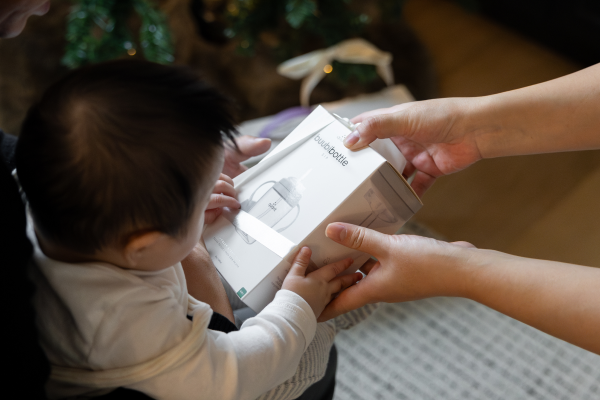
The first 90 days do not need a giant bottle shelf. They need a small working system, a cleaning rhythm, and a clear plan for what to add only after the routine is real.

New parents are often told to be ready for everything. That advice creates crowded counters and drawers full of parts before the baby has even shown a feeding rhythm.
A better first-90-days plan is staged. Start with the bottle pieces that solve real feeds. Build a wash-and-dry rhythm. Add size, flow, travel, or warming support only when a real routine asks for it.
A staged bottle system works naturally for that plan when it gives parents a smaller early bottle, a larger next-stage bottle, compatible nipples, and a later cup transition path without forcing every purchase on day one.
Days 1-30: keep the system small
The first month is about learning. You are learning whether bottle feeds are occasional, daily, shared overnight, used for pumped milk, formula, combo feeding, or daycare planning.
The mistake is buying as if all of those answers are already known.
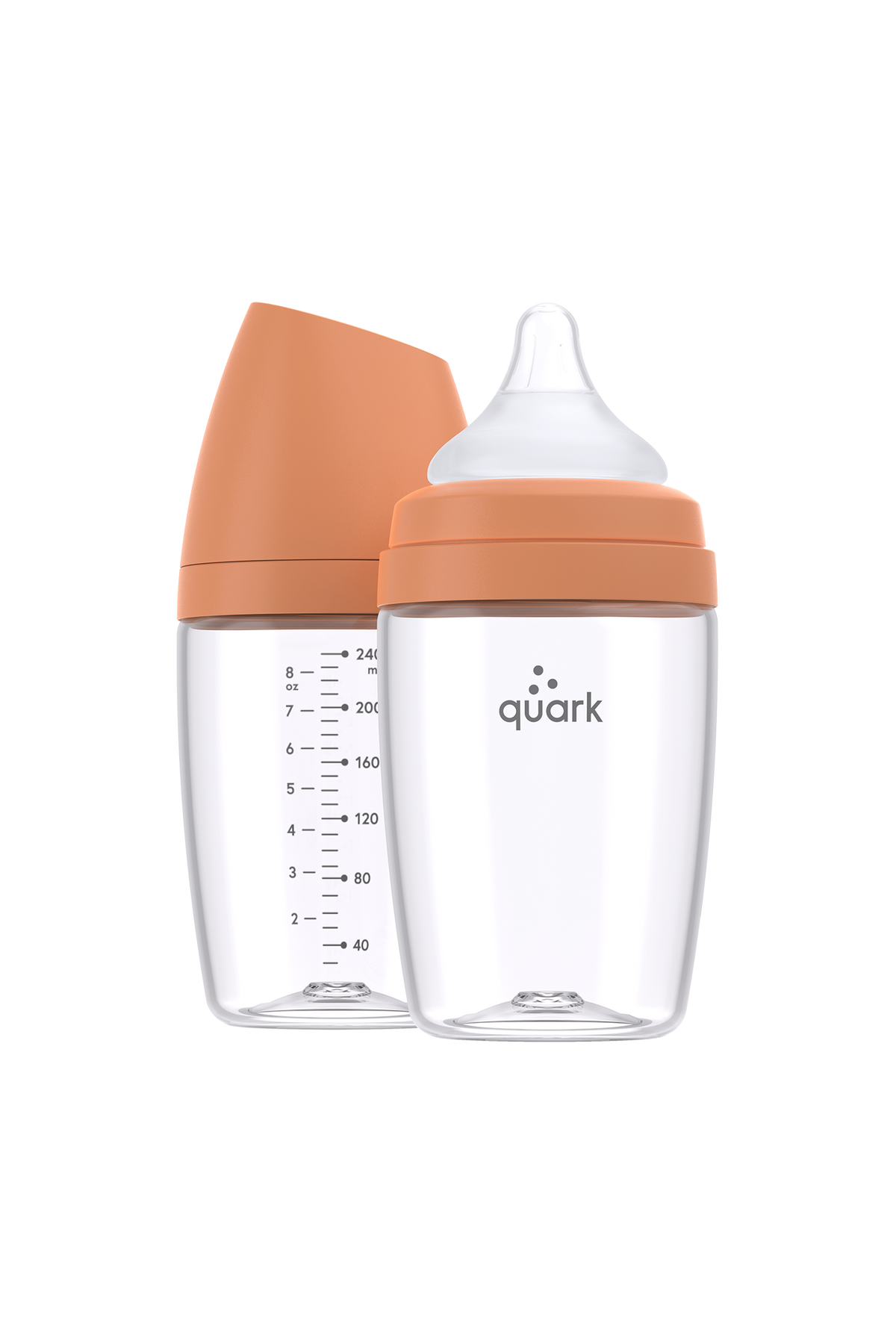
Start with a small bottle rotation that can be washed and reused without making every feed feel like a supply-chain problem. In QB product knowledge, BuubiBottle Mini is the 5 oz / 150 ml early-feed bottle, and Max is the 8 oz / 240 ml larger bottle for bigger feeds.
What matters most
The most useful features are practical: easy filling, easy cleaning, a nipple path, a bottle that does not feel fragile, and parts that belong to the same system.
Days 31-60: adjust the rotation
This is the right time to add based on evidence from your house, not registry anxiety.
Add capacity when refilling is the friction
If the smaller bottle is constantly being refilled, bring the larger bottle into regular use. That is where Max becomes useful.
Add nipples when flow is the question
Nipple flow should follow the baby, not the registry. If feeds are stressful, unusually slow, or messy, talk with your pediatric or feeding professional and choose replacement flows carefully.
Days 61-90: plan the next stage
You may be thinking about longer outings, daycare labeling, bottle warming routines, or what the cup transition will look like later. The AAP says parents can begin offering a cup around the time babies start solids and gradually transition away from bottles through toddlerhood. HealthyChildren.org explains that transition.
That future does not need to be fully bought in the first 90 days. It only needs to be possible.
A simple starter-set plan
| Stage | What to focus on | What to avoid |
|---|---|---|
| Days 1-30 | Small rotation, clean parts, simple setup | Buying every accessory |
| Days 31-60 | Adjusting bottle count and size | Guessing before patterns appear |
| Days 61-90 | Planning travel, daycare, and future stage | Switching systems too early |
If your pain point becomes warming, sterilizing, steaming, and blending in one kitchen station, compare Quook separately. It is a routine tool, not a required first-day bottle purchase.
Common questions
What should a first bottle starter set include?
Yes. Start with a small working rotation. Prioritize bottles that fit early feeds, a larger path for bigger feeds, compatible nipples, and parts that clean easily.
Do I need a full shelf of newborn bottles?
Usually no. Buy enough to run your real day, then add after you know the pattern.
When should I add larger bottles?
Yes. Add larger bottles when refilling becomes the problem. Larger bottles help when the feed or outing has outgrown the smaller size.
Should Quook be part of the first 90 days?
Only if it solves your routine. Quook makes sense for families who want one kitchen station for bottle warming, steam cooking, blending, and sterilizing.
Is this feeding advice?
No. This is product planning information. Follow your pediatric professional for feeding amounts, growth, formula, breast milk, or medical questions.
Sources
- Quark Baby: BuubiBottle Mini product page
- Quark Baby: Quook product page
- American Academy of Pediatrics / HealthyChildren.org: From Bottle to Cup
This article is general product and registry information, not medical advice.
Medically reviewed by Dr. Yang Last reviewed July 29, 2026.




Leave a comment
All comments are moderated before being published.
This site is protected by hCaptcha and the hCaptcha Privacy Policy and Terms of Service apply.