

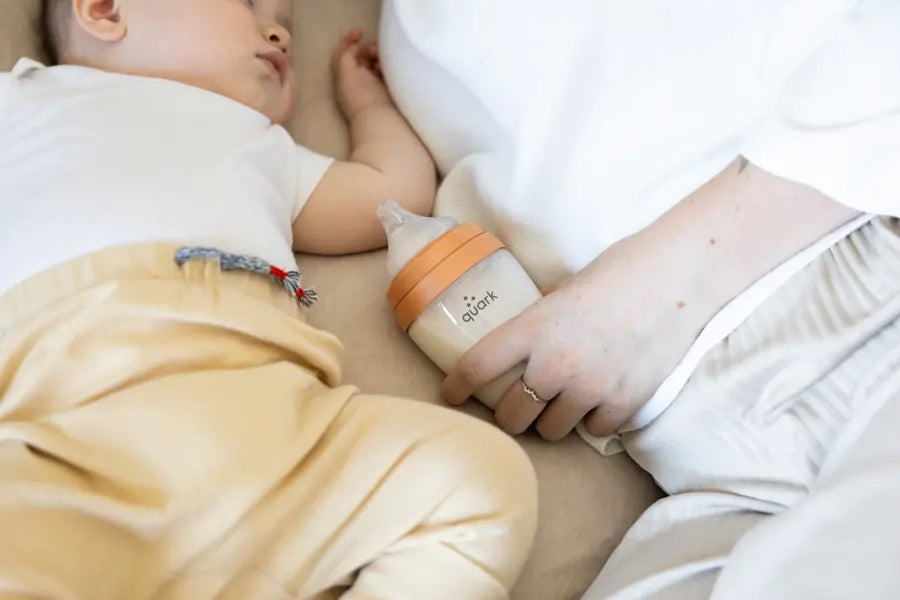
A single-purpose bottle warmer is simple. A combo baby food maker makes sense when your real problem is the next six months of feeding: warm bottles now, then make soft foods when solids begin.
Most parents compare baby gear one feature at a time. That is why a bottle warmer can look like the obvious buy. It has one job, and that job matters when the next feed is already close.
The better question is what you need the counter to do after the newborn phase. If you only want a dedicated warming tool, keep the decision simple. If your kitchen is small and you are already thinking about first foods, a combo device can earn its space because it carries more of the feeding routine.
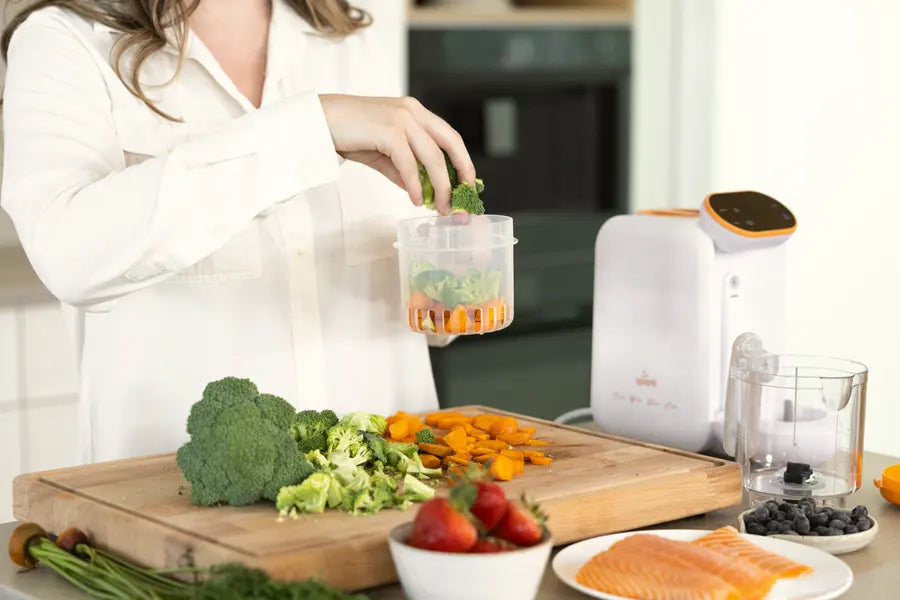
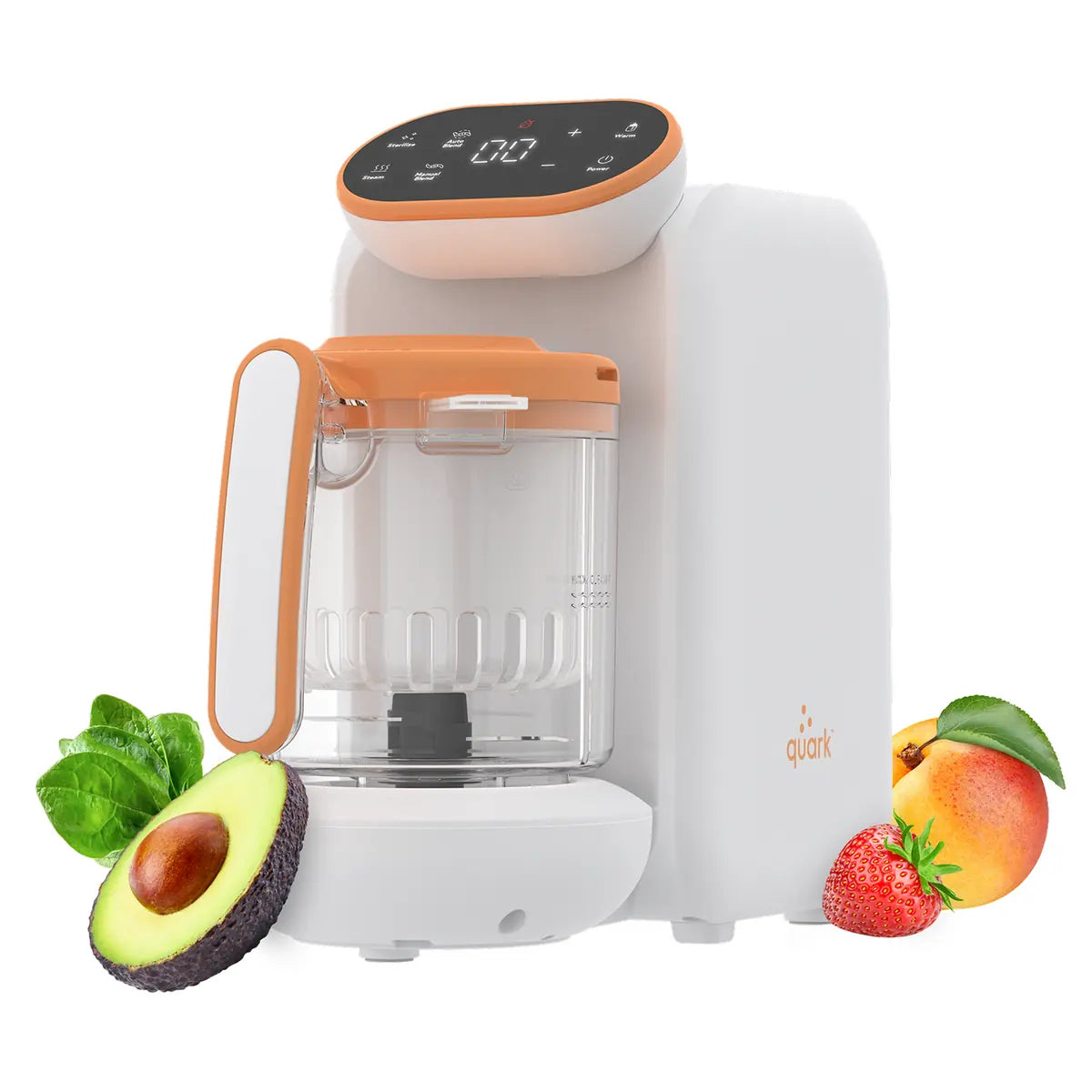
That is where Quook fits. It is listed as a 5-in-1 baby food maker with steaming, blending, an integrated bottle warmer, and steam sterilization mode. The local QB product reference also verifies a Tritan blending cup, 316 stainless steel blade and water reservoir, and platinum-cured silicone seals.
Start with the job, not the gadget
A bottle warmer is usually a speed-and-repeatability purchase. It helps make a bottle warming routine less improvised.
A baby food maker is a kitchen-system purchase. It matters when you want one place to steam carrots, blend soft food, warm a bottle, and keep the feeding station from spreading across the counter.
Choose a bottle warmer when feeds happen everywhere
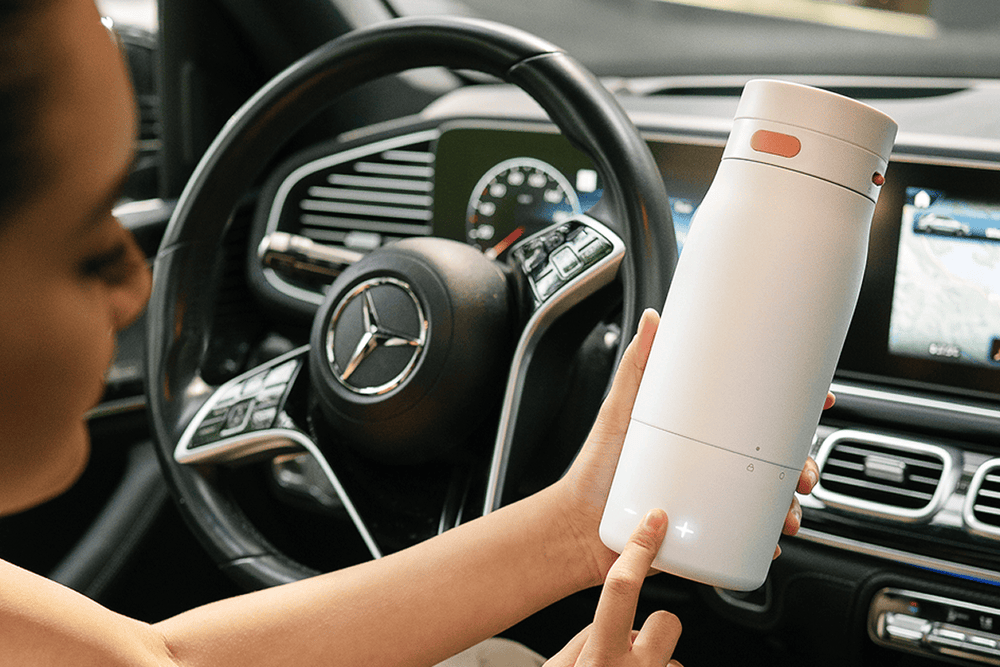
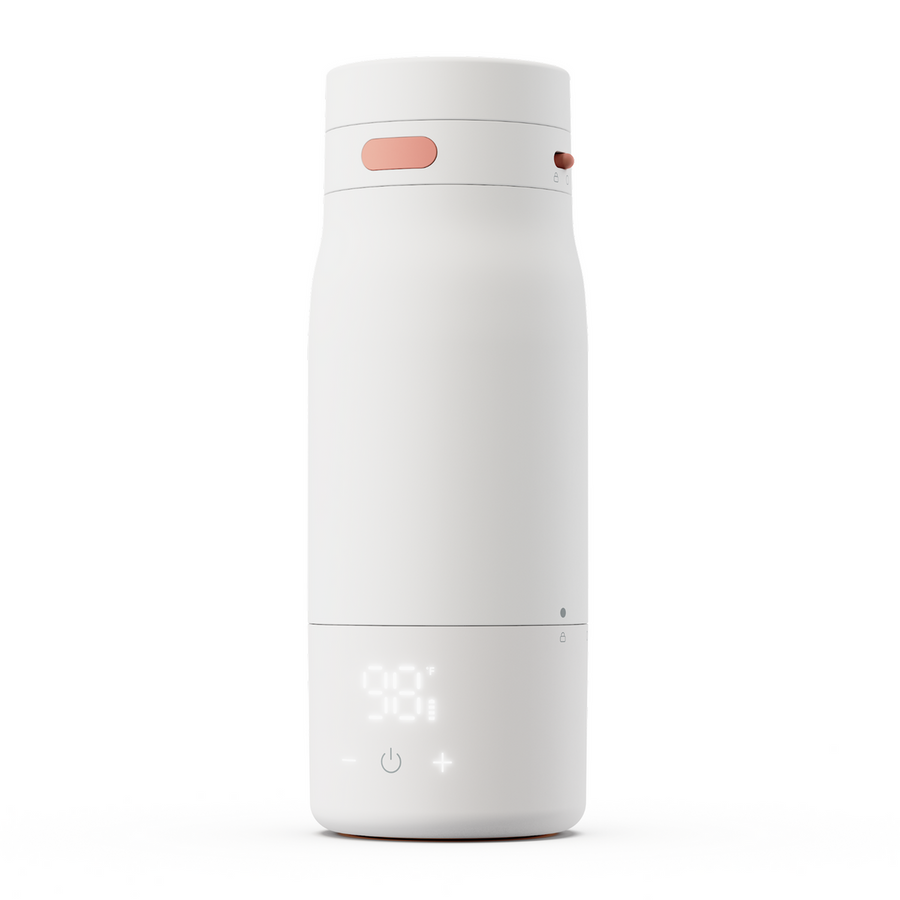
If you are often in the car, at a relative's home, or away from the kitchen, a portable warmer may be the better match than a countertop combo unit.
Choose a combo device when feeding happens at home
If the feeding station is mostly in one kitchen, one compact appliance can reduce the number of things you take out and put away.
Do not buy future features you will not use
If you know you will buy prepared purees or already own a steamer and blender you like, a combo device may be more machine than you need.
What Quook actually combines
Quook's product role is specific: it is not just a warmer with extra buttons. The product source describes an all-in-one device for steaming, blending, warming bottles, and steam sterilization support.
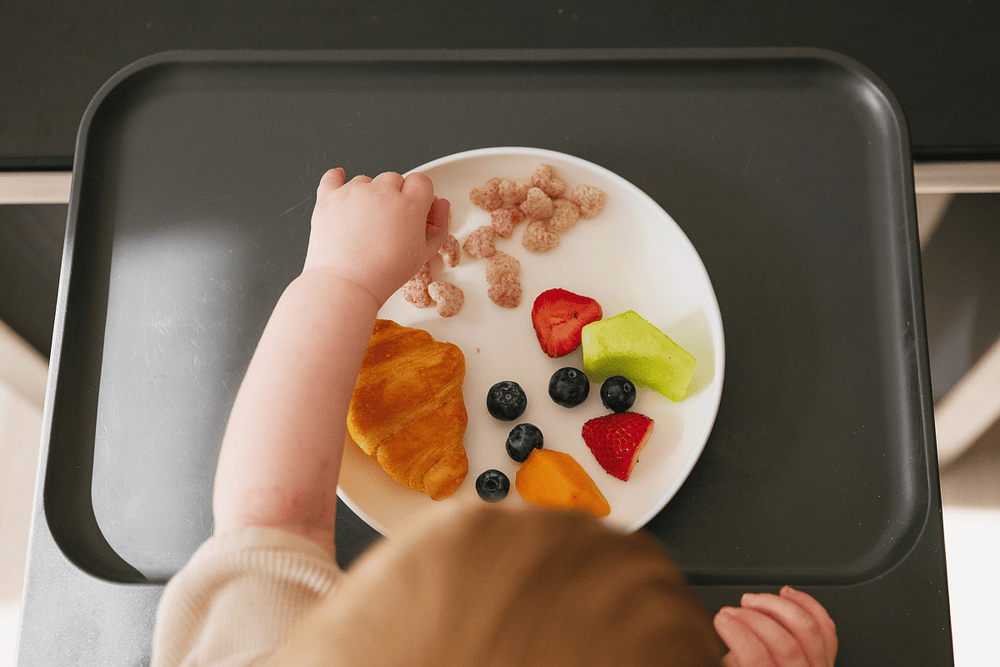
That matters because the feeding routine changes quickly. In the first months, warming may be the main task. Around the solids stage, the work shifts toward soft textures, small portions, and cleanup.

The useful way to think about Quook is not "more features." It is "one feeding station."
The practical comparison
If you only skim one thing, use this:
| Decision point | Dedicated bottle warmer | Combo baby food maker |
|---|---|---|
| Best fit | Bottle warming as the main need | Home feeding station across stages |
| Counter space | Usually smaller | One larger appliance replacing several tasks |
| Solids support | No | Yes, if the device steams and blends |
| Cleaning | Fewer parts | More parts, but fewer separate tools |
| Travel fit | Better if portable | Usually home-based |
The table is not a winner-takes-all verdict. A portable bottle warmer and a countertop food maker solve different problems. The mistake is buying one and expecting it to behave like the other.
Safety boundaries still matter
No appliance removes the need for safe milk and formula handling. The American Academy of Pediatrics warns against microwaving bottles because hot spots can burn a baby's mouth. HealthyChildren.org explains safe formula preparation and warming.
For breast milk, the CDC gives storage and handling rules, including how long milk can sit out and what to do with leftovers after a feed. The CDC breast milk handling guidance is the right source for those rules.
For solids, Health Canada frames complementary foods around readiness and safe feeding habits. Health Canada's infant nutrition guidance is a useful Canadian reference.
When a combo device is the cleaner buy
A combo device makes sense when three things are true:
- You have a stable counter spot for a feeding station.
- You expect to make at least some soft first foods at home.
- You prefer one routine over several single-use tools.
It is less compelling if you mainly need warm milk outside the house, if your counter has no permanent space, or if you already have a trusted steaming and blending setup.
Common questions
Is a baby food maker better than a bottle warmer?
Only when the job is broader than warming. A baby food maker like Quook makes sense when you want one home station for bottles and first-food prep. If you only need warming, a dedicated warmer may be enough.
Can Quook replace every feeding tool?
No. Quook can support several home feeding tasks, but you still need bottles, nipples, safe storage containers, and age-appropriate serving tools.
Is a combo device good for travel?
Usually no. A countertop combo device is best for the home kitchen. If travel warming is the main need, compare a portable warmer instead.
When should I think about solids?
Use readiness signs, not only age. Public-health guidance commonly points to around 6 months, but head control, sitting support, interest in food, and your clinician's advice matter.
Does a warmer or food maker make milk handling safer by itself?
No. Follow storage, warming, leftover, and formula-preparation guidance from your pediatrician, product instructions, and public-health sources.
Sources
- Quark Baby: Quook Baby Food Maker / Bottle Warmer product page
- American Academy of Pediatrics / HealthyChildren.org: How to Safely Prepare Formula with Water
- CDC: Breast Milk Storage and Preparation
- Health Canada: Infant nutrition
This article is general product and feeding information, not medical advice. Follow your product manual and ask your pediatrician or qualified health professional about feeding, readiness, allergies, or milk-handling questions.
Medically reviewed by Dr. Yang Last reviewed August 6, 2026.


Leave a comment
All comments are moderated before being published.
This site is protected by hCaptcha and the hCaptcha Privacy Policy and Terms of Service apply.